
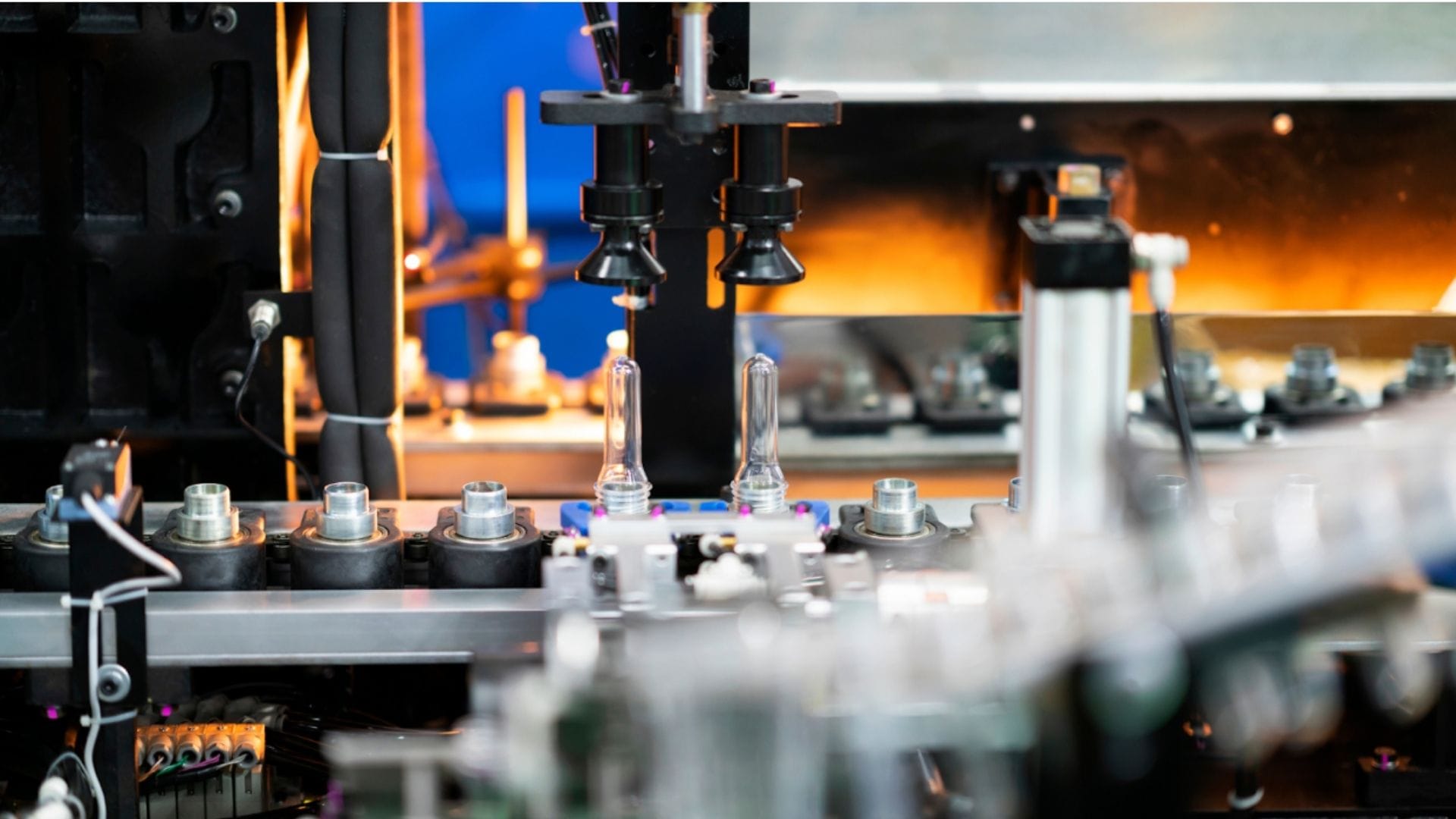
Medical technology depends on tools and parts that are safe, strong, and very accurate. Many of these parts are made from plastic because it is light, clean, and easy to shape. But making plastic parts for medical use is not simple.
Every piece must be made with high care and exact detail to meet strict health standards. This is where precision plastic manufacturing plays an important role. It helps create reliable parts for devices used in hospitals, labs, and clinics.
In this blog, we will explore how precision plastic manufacturing supports modern medical technology and why it matters so much in healthcare today.
What Sets Medical-Grade Plastic Production Apart
General-purpose plastics and medical-grade polymers? They’re worlds apart. Medical plastic manufacturing functions within a regulatory maze that would overwhelm most industries.
ISO 13485 and FDA Compliance Essentials
You need ISO 13485 certification, a quality management system built exclusively for medical device makers. This isn’t your typical manufacturing credential. Every single process step requires documented evidence, full stop. Then the FDA layers on additional requirements: facility registration, device listing, and pre-market notifications before your products can reach hospitals.
Choosing Materials and Biocompatibility Verification
Here’s the revised version with the anchor text included naturally:
Not every plastic belongs inside the human body. In medical technology, plastics must pass strict biocompatibility tests under ISO 10993 standards. These tests check for cytotoxicity, sensitization, irritation, and possible systemic toxicity. The process can take months because patient safety comes first.
Over the years, some materials have proven their reliability. PEEK is widely used for spinal implants, PPSU works well for sterilization trays, and medical silicones are common in catheter applications.
Each material is chosen to solve a specific medical challenge. Once selected, medical components must also be carefully packaged through processes like thermoforming company to preserve sterility and protection.
Essential Manufacturing Technologies in Healthcare Production
Several core technologies drive modern medical device creation, each bringing unique capabilities to the table. They transform bulk polymers into precision instruments that genuinely save lives.
Injection Molding for Medical Device Applications
High-volume device production runs on plastic injection molding medical processes. Micro-molding technology creates sub-gram components with details finer than human hair strands. Manufacturing occurs within ISO Class 7 or 8 cleanrooms, keeping particulate contamination at bay.
Multi-shot molding? That’s where you combine rigid structures with soft-touch materials in one production cycle. Picture a surgical instrument handle with ergonomic grip; you’re looking at two-shot molding in action. Insert molding takes things further, embedding metal elements to create hybrid components leveraging each material’s advantages.
Sterile Barrier Systems and Protective Packaging
Medical devices require protection from the factory floor through patient use. That’s where thermoforming packaging enters the picture, producing custom trays and protective blisters that preserve sterility while enabling easy access.
These packages undergo peel strength validation, typically 1-10 pounds of force, guaranteeing clean opening without material tearing.
Precision Machining and Finishing Operations
CNC machining bridges the gap when molding processes can’t deliver the required geometry. Five-axis equipment carves complex shapes with surface finishes smooth enough for implantable applications.
Coordinate measuring machines verify every dimension, confirming each piece hits specifications.
Finishing work like ultrasonic welding, pad printing, and laser marking adds functionality without introducing contamination. These operations happen in validated, controlled spaces, guaranteeing consistency whether you’re making a hundred parts or a hundred thousand.
Specialized Applications in Medical Devices
Different medical uses call for different manufacturing strategies. Here’s where precision plastic components create the biggest difference in patient outcomes.
Disposable Surgical Tools and Single-Use Items
Single-use instruments have transformed infection prevention in surgical settings. Plastic trocars, retractors, and forceps eliminate sterilization headaches while cutting costs versus reusable metal equivalents.
Color-coding systems help operating room teams instantly identify sizes, streamlining procedures when seconds count.
Implantable Components and Long-Duration Devices
Custom plastic parts for healthcare reach their highest expression in implantable technology. PEEK spinal cages need to maintain strength for decades within the body. Cardiovascular components endure relentless mechanical stress, around 100,000 heartbeat cycles every single day.
Surface modifications like plasma treatment boost cell adhesion, helping implants integrate with surrounding tissue. These alterations occur at molecular scales, demanding specialized equipment and comprehensive validation, ensuring they don’t undermine the base material’s characteristics.
Drug Delivery Mechanisms and Pharmaceutical Containers
Inhaler parts require metering precision to deliver exact medication quantities. Auto-injectors must operate reliably after years sitting in storage, often facing temperature fluctuations. These systems marry mechanical engineering with pharmaceutical requirements, needing materials that remain inert around active pharmaceutical ingredients.
Quality Frameworks and Validation Procedures
Manufacturing medical plastics means proving everything functions correctly before production starts. Design controls, process validation, and material verification create an all-encompassing quality structure.
Process Capability Analysis and Statistical Monitoring
You’ll calculate Cpk and Ppk values demonstrating process capability. A Cpk reading of 1.33 or above proves your process reliably produces within-specification parts. Statistical process control charts monitor variables continuously, identifying deviations before defective parts emerge.
Material Tracking and Verification Protocols
Each resin batch arrives with certification documents verifying specification compliance. You’ll maintain approved vendor rosters and run periodic audits confirming suppliers uphold quality benchmarks. Lot tracking systems connect finished devices to specific material batches, enabling targeted recalls if issues surface.
Extractables and leachables studies identify compounds potentially migrating from plastics into patients. These investigations employ sensitive analytical chemistry methods detecting even trace quantities of concerning substances. Testing can stretch across months, but for patient-contacting devices, it’s absolutely mandatory.
Closing Thoughts on Excellence in Medical Plastic Manufacturing
Medical plastic manufacturing keeps advancing as fresh materials and innovative technologies emerge. This industry’s dedication to quality and patient welfare propels breakthroughs in polymer chemistry, production methods, and quality assurance frameworks. Real success demands technical mastery, regulatory fluency, and relentless attention to detail across every production phase.
Manufacturers who excel at these elements become trusted healthcare partners, producing components that enhance patient results and push medical science forward. As healthcare challenges grow more demanding, precision plastics play an increasingly vital role in delivering safe, effective treatment solutions that make a genuine difference.
FAQs: Frequently Asked Questions
Medical-grade materials undergo comprehensive biocompatibility validation, maintain rigorous batch-to-batch consistency, and include complete traceability records. Manufacturing occurs in controlled facilities with validated processes specifically ensuring patient protection.
Development schedules depend on complexity and regulatory classification. Straightforward Class I devices might need 6-9 months, while implantable Class III devices requiring extensive validation can demand 18-24 months from design kickoff to production approval.
Absolutely, but material choice is everything. Specific polymers like PPSU and PEEK tolerate repeated autoclave exposures without property degradation. You must validate your sterilization approach and prove the material retains its characteristics throughout the device’s intended service life.