
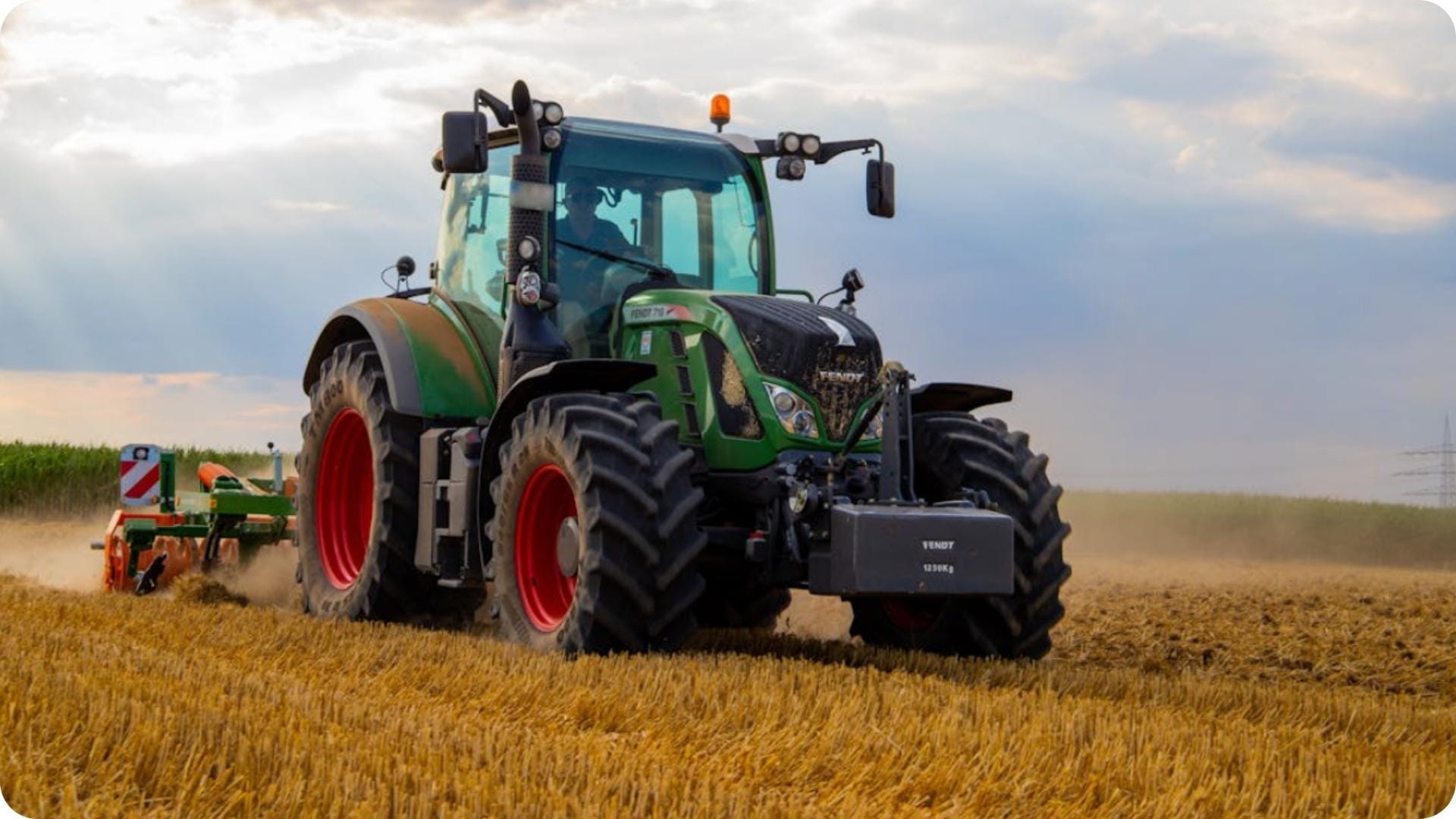
New Mexico is not the Midwest. And if you’re shopping for a tractor here, that distinction matters more than most buyers realize. You’re working with high desert soil, drastic temperature swings, unpredictable water access, and farms that range from half an acre hobby plots to several thousand acres of serious production ground.
Buy the wrong machine and you’ll either be wrestling a tractor that can’t handle your terrain, burning fuel in 105°F summer heat, or waiting weeks on a parts order from a dealer three states over.
This buy tractor guide New Mexico was built to cut through all of that confusion, because, according to USDA data, U.S. farms spent $18.9 billion on tractors and self-propelled machinery in 2023, nearly 4% of total farm expenditures. That’s real money. Spend it wisely.
What New Mexico Farmers Need to Know Before Buying Anything
Here’s where most buyers go wrong: they start browsing listings before they’ve clearly defined what their farm actually needs. That’s how buyer’s remorse starts. A solid tractor buying checklist New Mexico approach begins well before you visit a single dealer.
Acreage, Terrain, and Climate, Know All Three First
From the Rio Grande valley floor to high-elevation plateaus above 7,000 feet, New Mexico farms are anything but uniform.
Rocky terrain, intense irrigation demands, and summer temperatures that routinely top 100°F all shape what kind of machine you need. An oversized tractor on a small plot burns through your operating budget.
An underpowered one on tough ground costs you in lost productivity. Matching horsepower, fuel efficiency, and drivetrain to your actual conditions is where smart buyers start.
Compact, Utility, or High-Horsepower, Match the Machine to the Mission
A 5-acre homestead outside Taos has radically different needs than a 500-acre row crop operation near Deming. Compact tractors handle light landscaping, small garden plots, and basic hauling.
Utility models cover mid-range work, hay cutting, irrigation management, moderate tillage. High-horsepower tractors are purpose-built for heavy row cropping and large-scale field work.
Knowing exactly where your farm falls on that spectrum is the foundation of how to buy a tractor NM the right way.
Local Service Access Is Not Optional
A low sticker price on a tractor means absolutely nothing if parts take three weeks to arrive during harvest season.
This is one of those lessons that’s expensive to learn the hard way. South Plains Implement operates 19 locations across West Texas and New Mexico, backed by over 122 years of combined experience, and that kind of regional presence gives buyers real, practical access to service, parts, and precision ag support when timing is critical.
Finding Used Tractors in New Mexico: Where and When to Look
Once you’ve defined your farm’s needs clearly, the next challenge is knowing where, and when, to find the right machine at the right price.
New Mexico is actually a solid market for used equipment if you know how to work it. Platforms like Tractor Zoom aggregate active dealer inventory across the state, and searching for used tractors for sale new mexico through regional dealer networks often surfaces machines that never appear on national platforms. That’s a real advantage if you’re willing to do a little digging.
Timing Your Purchase Right
This matters more than most guides admit. Late fall and early winter, right after harvest season wraps, tend to push more listings onto the market as farmers clear equipment before year-end tax deadlines.
Spring buying gets competitive fast. Shopping during the off-season typically gives you more leverage to negotiate and far less competition on desirable machines.
Also Read:
- New vs Used Car: An Essential Guide To Help You Choose
- Ultimate Guide to Car Auto Repair Services
- How to Install LED F150 Headlights: Step-by-Step Guide
New vs. Used: The Real Cost Calculation
A lower purchase price on an older tractor can look attractive until the repair invoices start arriving.
The utility/power tractor segment is projected to represent 58% of compact tractor demand in 2025, which signals that the market heavily favors versatile, mid-range machines, and that parts availability for those models tends to be much stronger.
Run the full ownership cost calculation before deciding between new and used. Depreciation curves and maintenance histories both belong in that math.
The Tractor Buying Checklist New Mexico Buyers Should Follow
Finding a promising listing is genuinely the easy part. Verifying what you’re actually buying requires discipline, and a real tractor buying checklist New Mexico process separates the confident buyers from the ones who regret their decisions by the second season.
Check the Mechanicals Thoroughly, No Exceptions
Engine oil that’s dark and gritty, coolant with rust or sediment, hydraulic fluid that looks cloudy, these are signals worth taking seriously.
Inspect the frame for cracks, check tire wear patterns for signs of alignment problems, and look for excessive steering play. When you’re excited about a deal, it’s surprisingly easy to overlook problems that will cost you significantly down the road.
Ask for Documentation, Every Piece of It
Maintenance logs, ownership history, repair receipts, request all of it. A seller who maintained their machine well usually has the paperwork to prove it. Missing records don’t disqualify a tractor outright, but they do give you grounds to negotiate harder on price.
The Test Drive Is Non-Negotiable
Start the engine cold if you can. Hard cold starts often signal compression issues. Test every hydraulic function under real load. Run through all gear selections and listen for grinding.
Check all PTO settings and verify that every control responds cleanly without sticking or hesitation. No matter how good a tractor looks sitting still on a lot, you won’t really know it until you’ve driven it.
Negotiation and Financing: Where Smart Buyers Save Real Money
This is the section most tractor guides skip over, and it’s where best tractors for New Mexico farms buyers regularly leave money on the table.
Use Every Negotiating Lever Available
Ask for implements and attachments to be bundled into the purchase price. Loaders, backhoes, and mower decks add up fast when bought separately.
Shopping at month-end often motivates dealers who have sales targets to hit. Cross-state purchases can offer savings, but factor in reduced local service access before pulling the trigger on anything out of region.
Financing and Trade-In, Know Your Numbers First
Local dealers frequently run manufacturer financing programs with competitive rates that are worth comparing against outside financing. If you have a tractor to trade in, get an independent valuation before you walk onto a lot.
Walking in without knowing your machine’s market value almost always ends with a number that benefits the dealer more than you.
Post-Purchase: Protecting Your Investment for the Long Haul
Buying well is step one. Maintaining your machine properly is what actually determines long-term return on that investment.
Build a Maintenance Routine From Day One
Change oil and filters at manufacturer-recommended intervals, don’t stretch them to save a few dollars. In New Mexico’s dusty conditions, check air filters more frequently than the manual suggests. Grease all fittings on a weekly schedule during heavy-use periods. These are small habits that prevent large repair bills.
Use Your Dealer Network Actively
South Plains Implement provides self-service tools for scheduling maintenance and sourcing parts on your own schedule, which matters a lot when something needs attention during a critical planting or harvest window. Know how to access that support before you need it urgently.
Plan for Tomorrow’s Implements Today
Think two to three years ahead. Confirm PTO compatibility, hydraulic flow rates, and hitch categories before committing to any tractor purchase. A machine that can’t handle the implements you’ll eventually need isn’t the right machine, regardless of how well it performs today.
Buying a Tractor in New Mexico
The right tractor purchase comes down to clarity, knowing your land, your goals, your budget, and your local service access, then validating every assumption through a thorough inspection and thoughtful financing. Take the time to get this right.
Done properly, the right machine pays for itself across multiple seasons of dependable, productive work. Don’t rush it. Use this guide, do your homework, and you’ll be working ground with confidence long before the second season arrives.
FAQs: Frequently Asked Questions
Lower prices typically surface in April and September, when farmers are actively working and not focused on buying.
For properties between 1 and 5 acres, a sub-compact handles mowing, snow clearing, and light grading without unnecessary fuel costs or footprint.
Near a strong dealer network, modern fuel-efficient models deliver better long-term operating economics. In truly remote areas, older simpler machines are often easier to self-service when dealer access is hours away.