
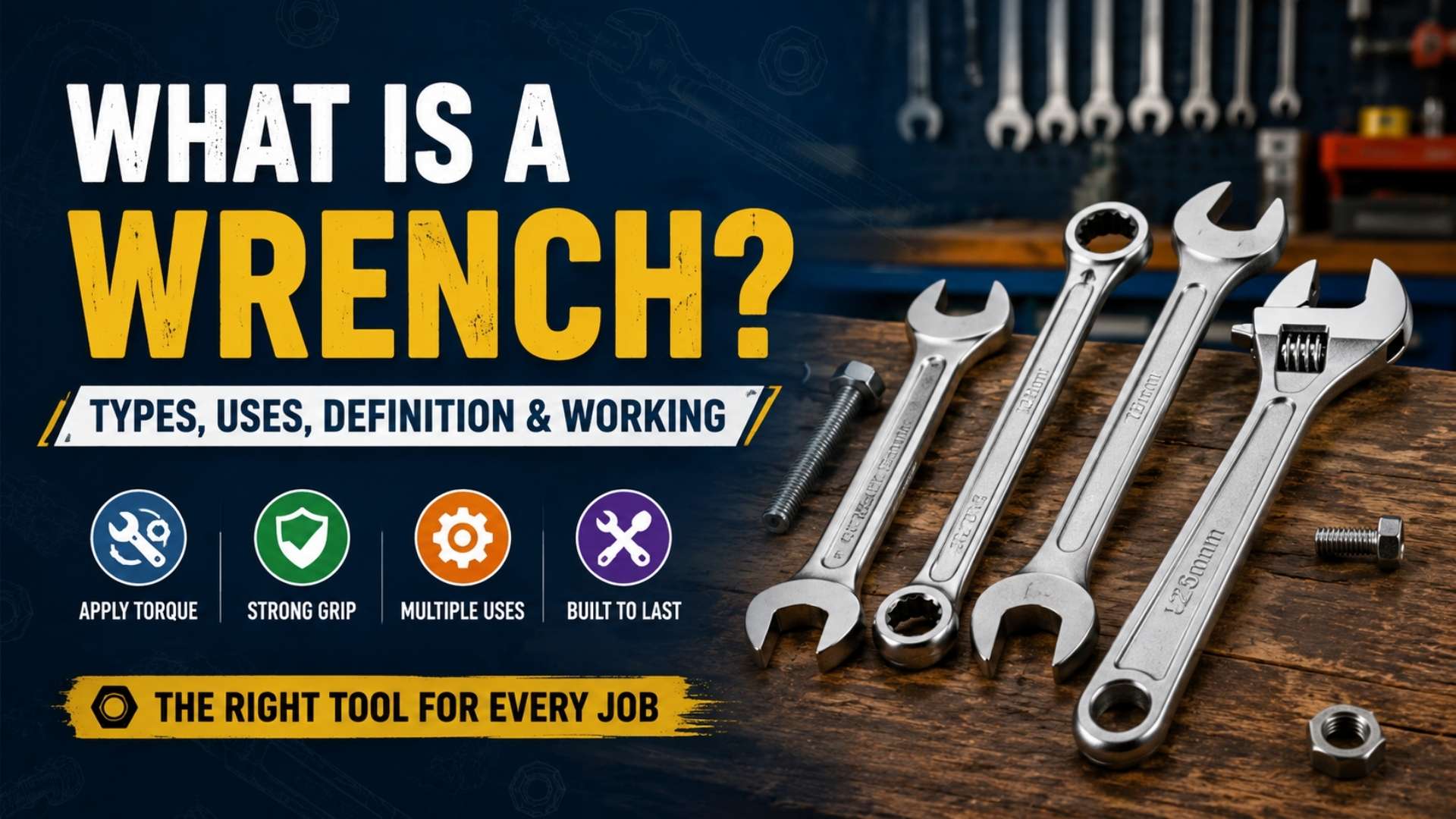
A wrench is one of the most essential hand tools used in mechanical, automotive, plumbing, and maintenance work. Whether you are tightening a bolt in a machine, loosening a rusted nut, or assembling equipment, a wrench helps apply the required turning force or torque to fasteners. In many countries such as the UK, Australia, and New Zealand, a wrench is commonly called a spanner.
Wrenches are designed in different shapes and sizes to suit various applications. Some are made for working in tight spaces, while others are specially designed for applying accurate torque. From garages and manufacturing plants to home plumbing repairs, this tool plays a crucial role in everyday mechanical work.
In this article, we will discuss what a wrench is, its definition, uses, working principle, materials, and different types of wrenches with their applications in simple terms.
What is a Wrench?
A wrench is a hand tool used to apply torque to tighten, loosen, grip, or hold rotating fasteners such as nuts and bolts. It provides a firm grip around the fastener and helps rotate it efficiently without slipping.
Wrenches are commonly used in mechanical workshops, automobiles, construction, plumbing, and industrial maintenance. Depending on the application, different types of wrenches are available to handle various fastener sizes and operating conditions.
In simple words, a wrench helps you turn fasteners with less effort and more precision.
Wrench Definition
A wrench is a mechanical hand tool used to apply torque on rotary fasteners like nuts, bolts, and threaded components to tighten, loosen, or hold them securely.
The term spanner is often used interchangeably with wrench in many parts of the world.
Why is a Wrench Important?
Wrenches are important because many mechanical systems rely on nuts and bolts for assembly. Without a wrench, tightening or loosening fasteners becomes difficult and unsafe.
A wrench helps:
- Apply sufficient turning force (torque)
- Prevent slipping while working
- Reduce effort and time
- Protect nuts and bolts from damage
- Improve maintenance and repair efficiency
Whether it is a bicycle, engine, pipeline, or industrial machine, wrenches are widely used for safe fastening and disassembly.
How Does a Wrench Work?
A wrench works on the principle of torque application.
When force is applied to the handle of the wrench, it creates rotational force that turns the nut or bolt. A longer handle generally produces more torque with less effort.
The jaws or ends of the wrench grip the fastener securely so that force can be transferred effectively without damaging its shape.
Basic Working Process of a Wrench
- The wrench is placed around the nut or bolt.
- The jaw or socket grips the fastener securely.
- Force is applied to the handle.
- Torque rotates the fastener clockwise for tightening or counterclockwise for loosening.
Materials Used to Make Wrenches
High-quality wrenches are manufactured using strong and durable materials to withstand repeated loads and impacts.
Common materials include:
1. Chromium-Vanadium Steel (Cr-V)
This is the most widely used material for making premium-quality wrenches because it offers:
- High strength
- Better wear resistance
- Corrosion resistance
- Longer service life
2. Alloy Steel
Heavy-duty industrial wrenches are often made using alloy steel for additional toughness and durability.
3. Drop Forged Steel
Many wrenches are manufactured through the drop forging process, which increases strength and reduces the chance of breakage.
To improve corrosion resistance and appearance, most wrenches are coated with nickel-chrome plating.
Uses of Wrench or Spanner
A wrench is mainly used to apply turning force to rotating fasteners.
The major uses of a wrench are:
- Tightening nuts and bolts
- Loosening rusted or tight fasteners
- Holding rotating fasteners during assembly
- Repairing automobiles and machines
- Plumbing applications for pipe fittings
- Bicycle and motorcycle maintenance
- Industrial equipment servicing
In plumbing, special wrenches such as pipe wrenches are used to grip cylindrical pipes securely.
Types of Wrenches
Different applications require different wrench designs. Below are the major types of wrenches and their uses.
1. Open-End Wrench

An open-end wrench has U-shaped jaws on both ends. It is designed for tightening or loosening nuts and bolts in areas where a full rotation is difficult.
Uses:
- Working in tight spaces
- Fast adjustments
- General mechanical repair
2. Box-End Wrench

A box-end wrench has a closed ring-shaped opening that fully surrounds the fastener.
Advantages:
- Better grip than open-end wrench
- Reduced slipping
- Suitable for tight nuts and bolts
Uses:
- Automotive repair
- Heavy mechanical work
3. Combination Wrench
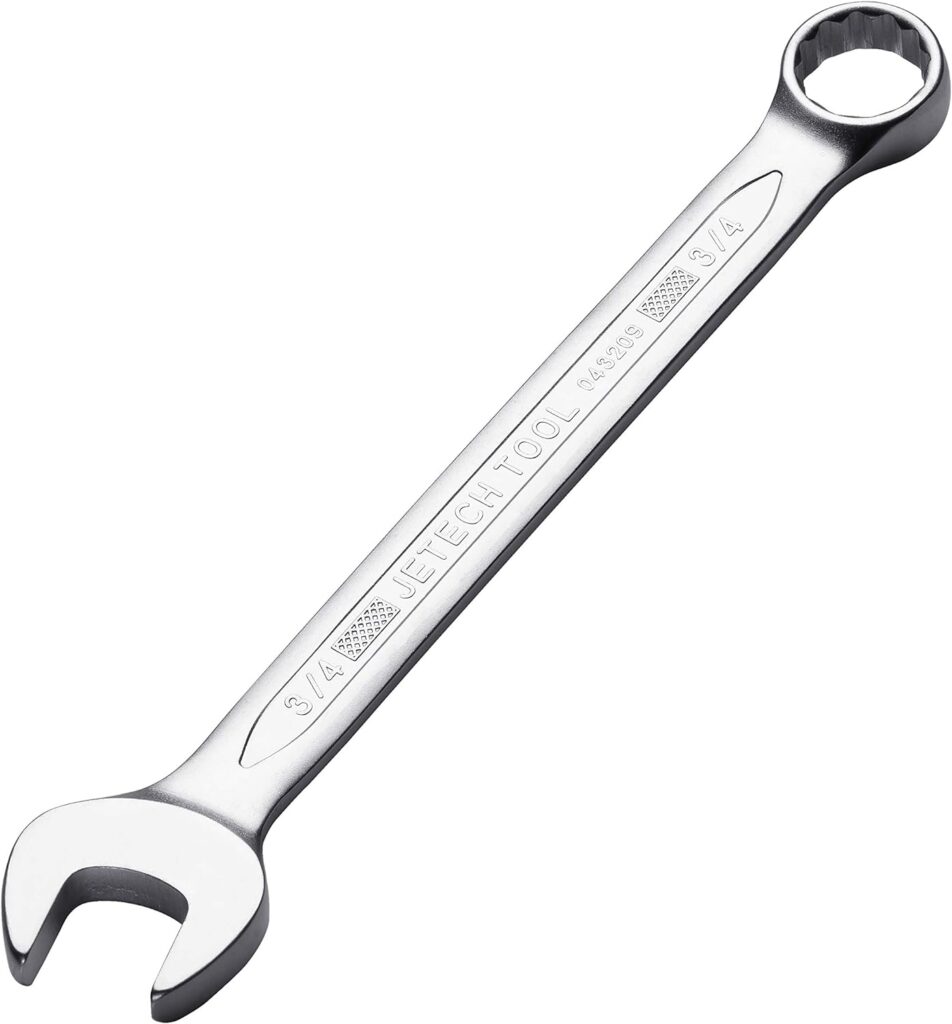
A combination wrench has an open end on one side and a box end on the other.
It is one of the most commonly used wrenches because it combines versatility and convenience.
Uses:
- Tightening and loosening fasteners
- General workshop maintenance
4. Adjustable Wrench
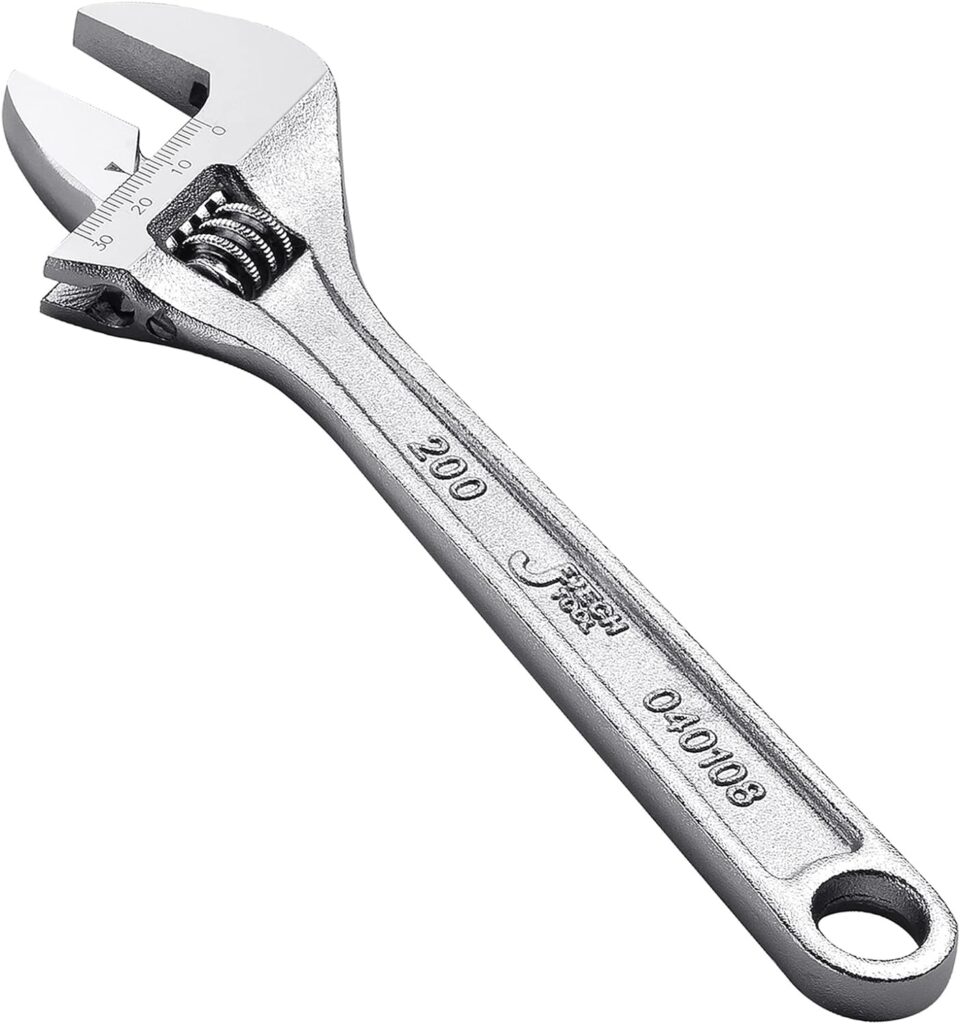
An adjustable wrench has movable jaws that can be adjusted for different fastener sizes.
Advantages:
- One wrench for multiple sizes
- Cost-effective
Uses:
- Home repairs
- Plumbing
- Maintenance work
5. Torque Wrench
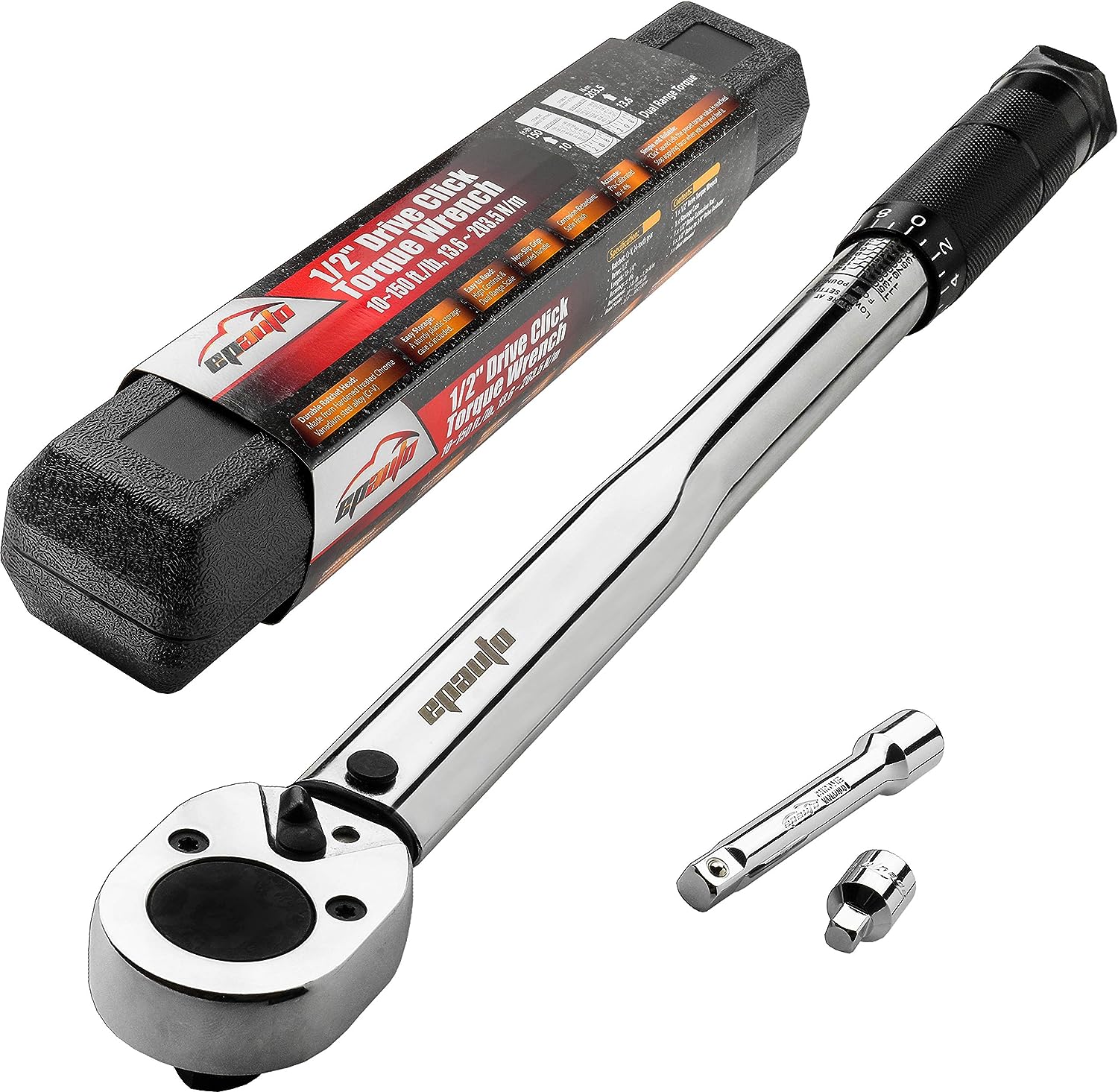
A torque wrench is used to tighten fasteners to a specific torque value.
It prevents over-tightening and under-tightening.
Uses:
- Automotive engines
- Aerospace applications
- Precision mechanical assembly
6. Pipe Wrench
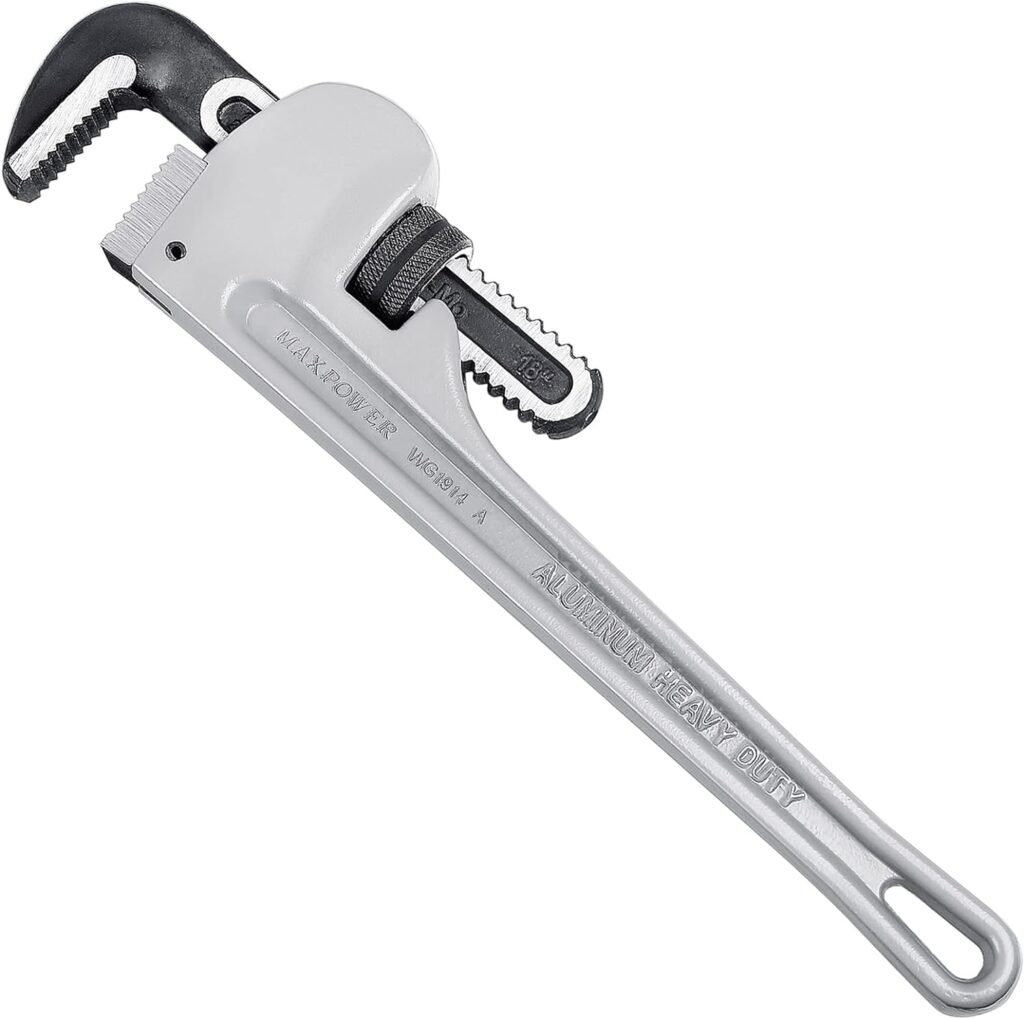
A pipe wrench is specially designed to grip round pipes.
Its serrated jaws provide strong holding force.
Uses:
- Plumbing work
- Pipe installation and removal
7. Pedal Wrench
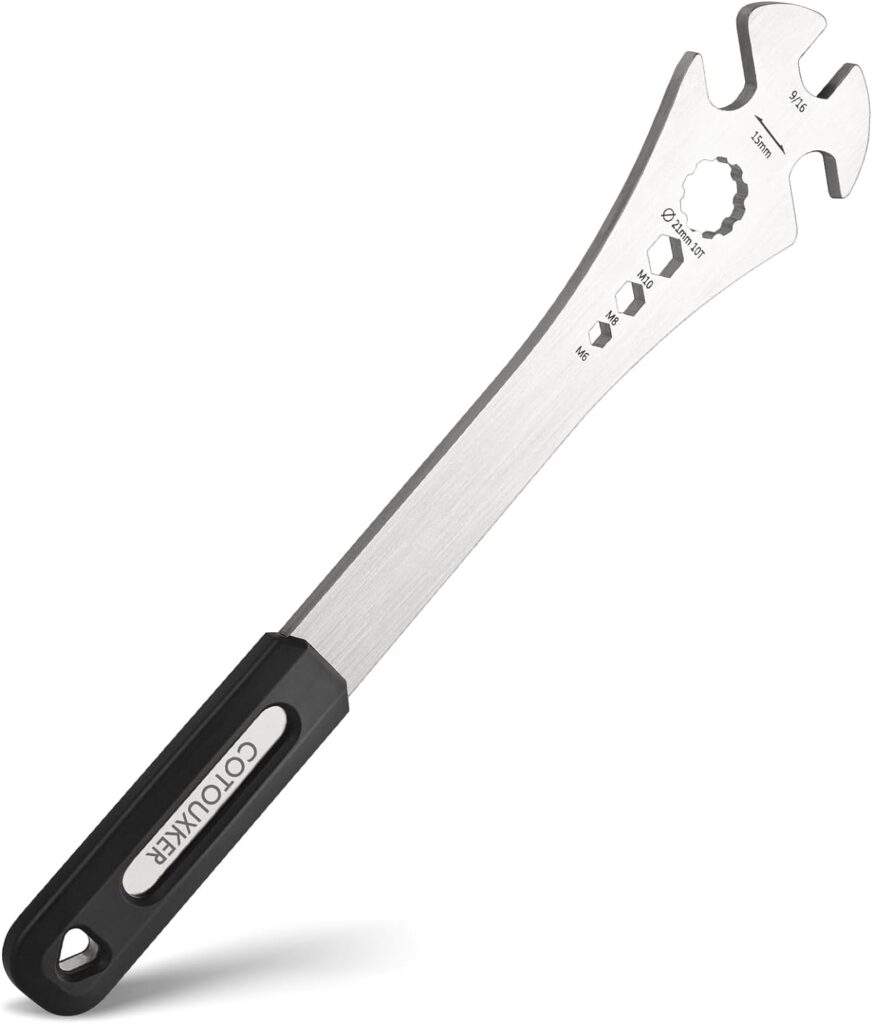
A pedal wrench is specially designed for removing and installing bicycle pedals.
Uses:
- Bicycle repair
- Transportation and maintenance
8. Crowfoot Wrench
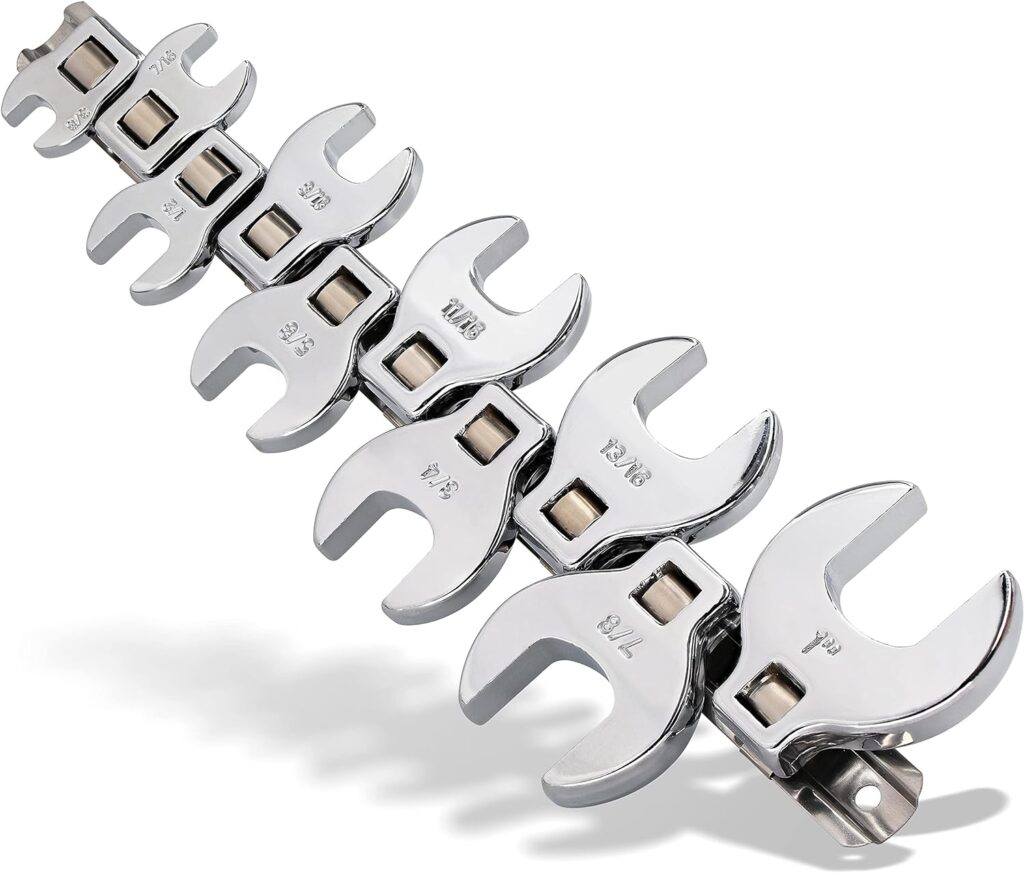
A crowfoot wrench works with a ratchet or extension handle and is useful in hard-to-reach areas.
Uses:
- Automotive engines
- Confined mechanical spaces
9. Ratcheting Wrench
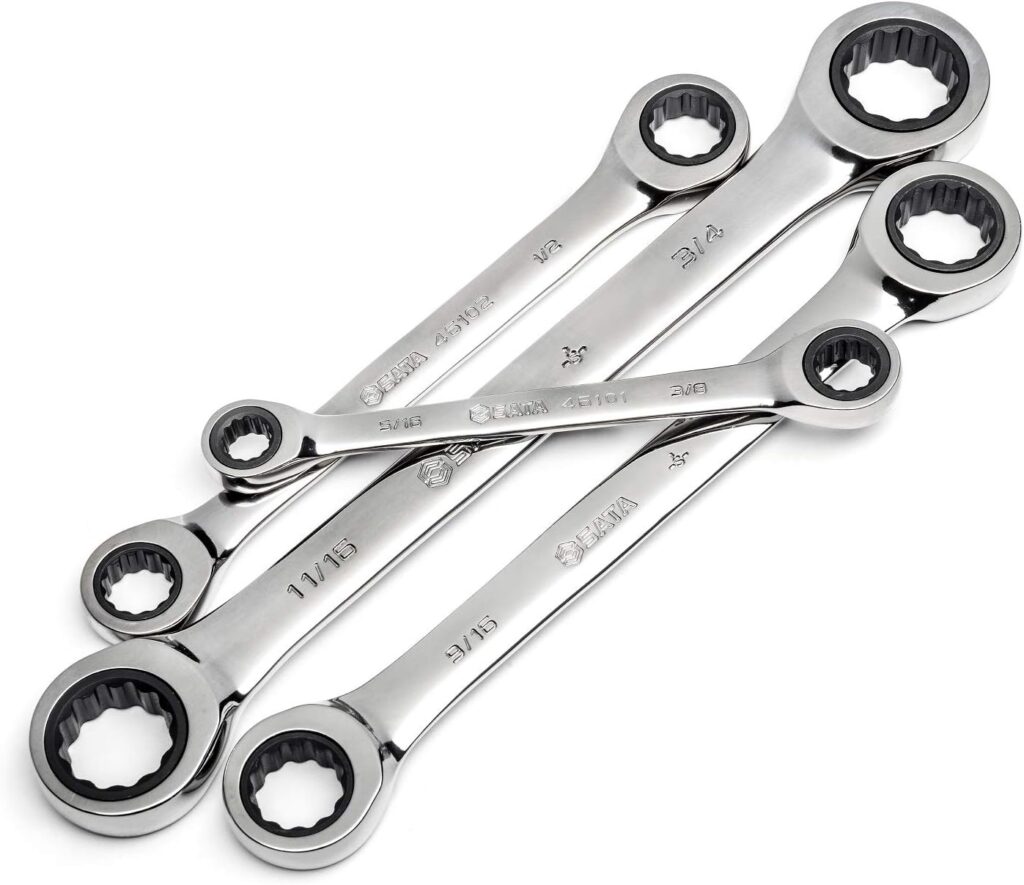
A ratcheting wrench allows continuous turning without removing the wrench from the fastener.
Advantages:
- Faster operation
- Saves effort
- Works in limited spaces
10. Striking Wrench
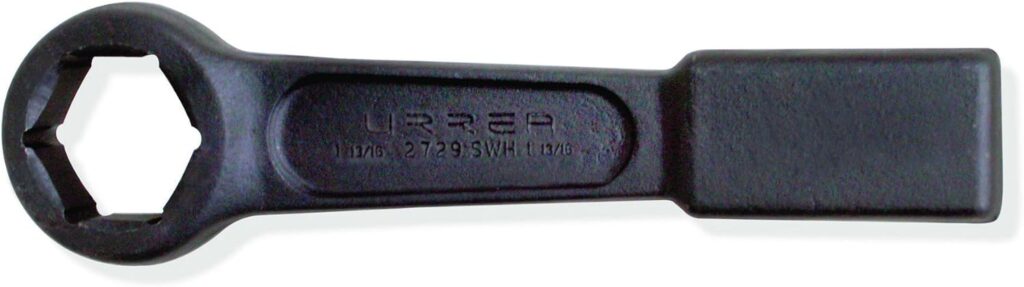
A striking wrench is designed for extremely tight fasteners and is hit using a hammer.
Uses:
- Industrial maintenance
- Heavy machinery repair
11. Socket Wrench
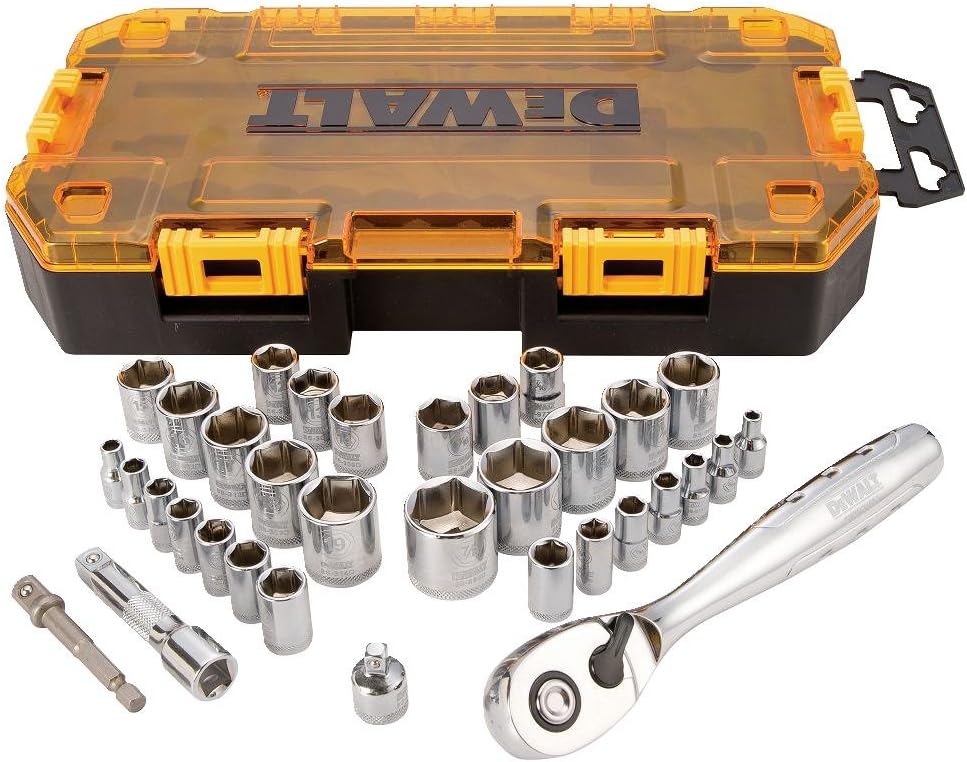
A socket wrench uses detachable sockets to fit different fastener sizes.
Advantages:
- Easy operation
- High efficiency
- Better grip
Uses:
- Mechanical workshops
- Vehicle maintenance
| Types of Wrench | Image | Description |
| 1. Open-End | | Open nuts and bolts in tight spaces. |
| 2. Box End Wrench | | – It holds the nuts and bolts more tightly then open-end. – Used where there is a space around the nuts and bolts. |
| 3. Combination Wrench | 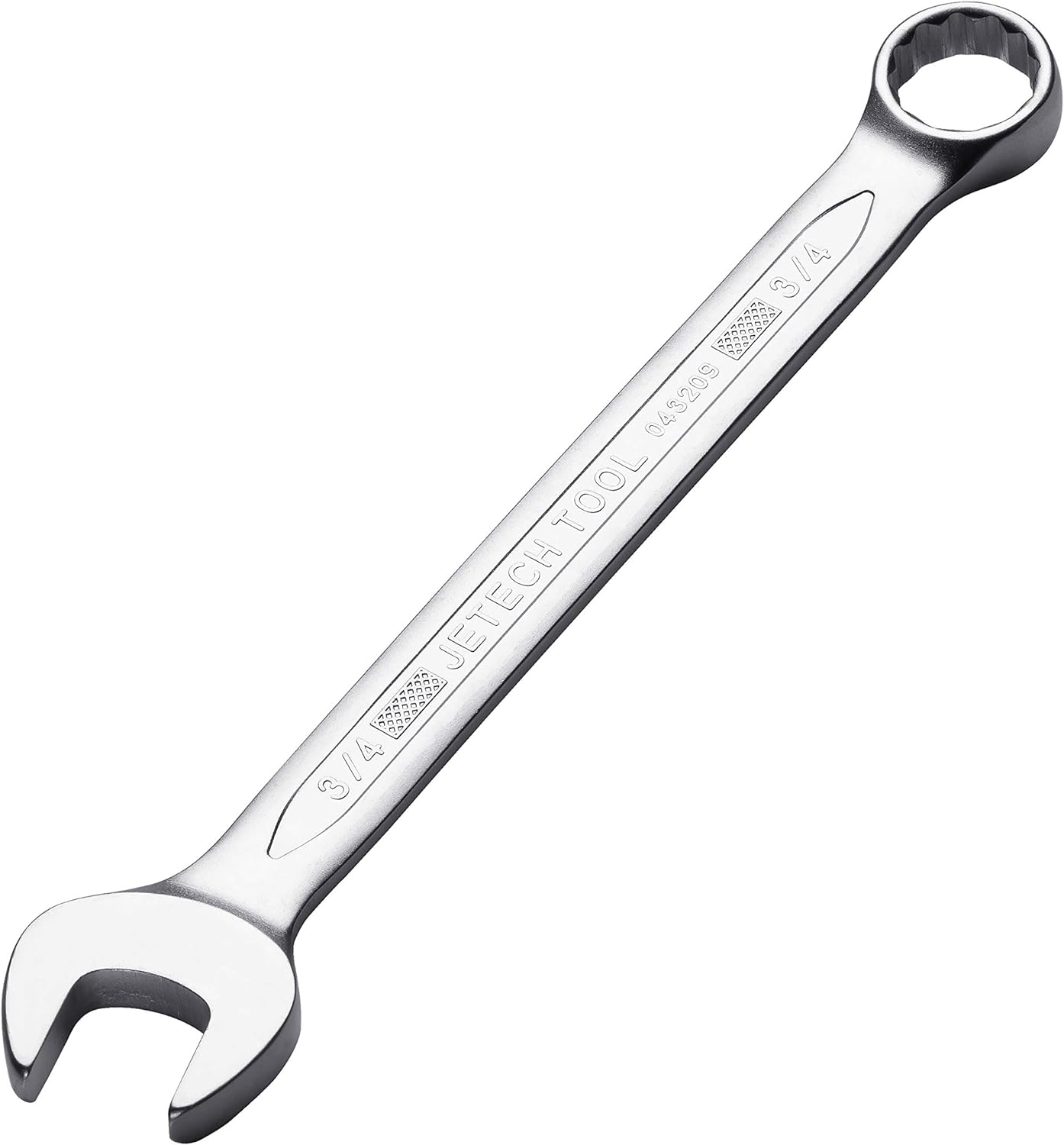 | – Great for opening tight nuts and bolts. Closed-end losen it and open end unscrew it Completely. |
| 4. Adjustable Wrench |  | It can use used to operate on variety of nuts and bolts with a single wrench. |
| 5. Torque Wrench | | Tights nuts and bolts to specified value of Torque |
| 6. Pipe Wrench | 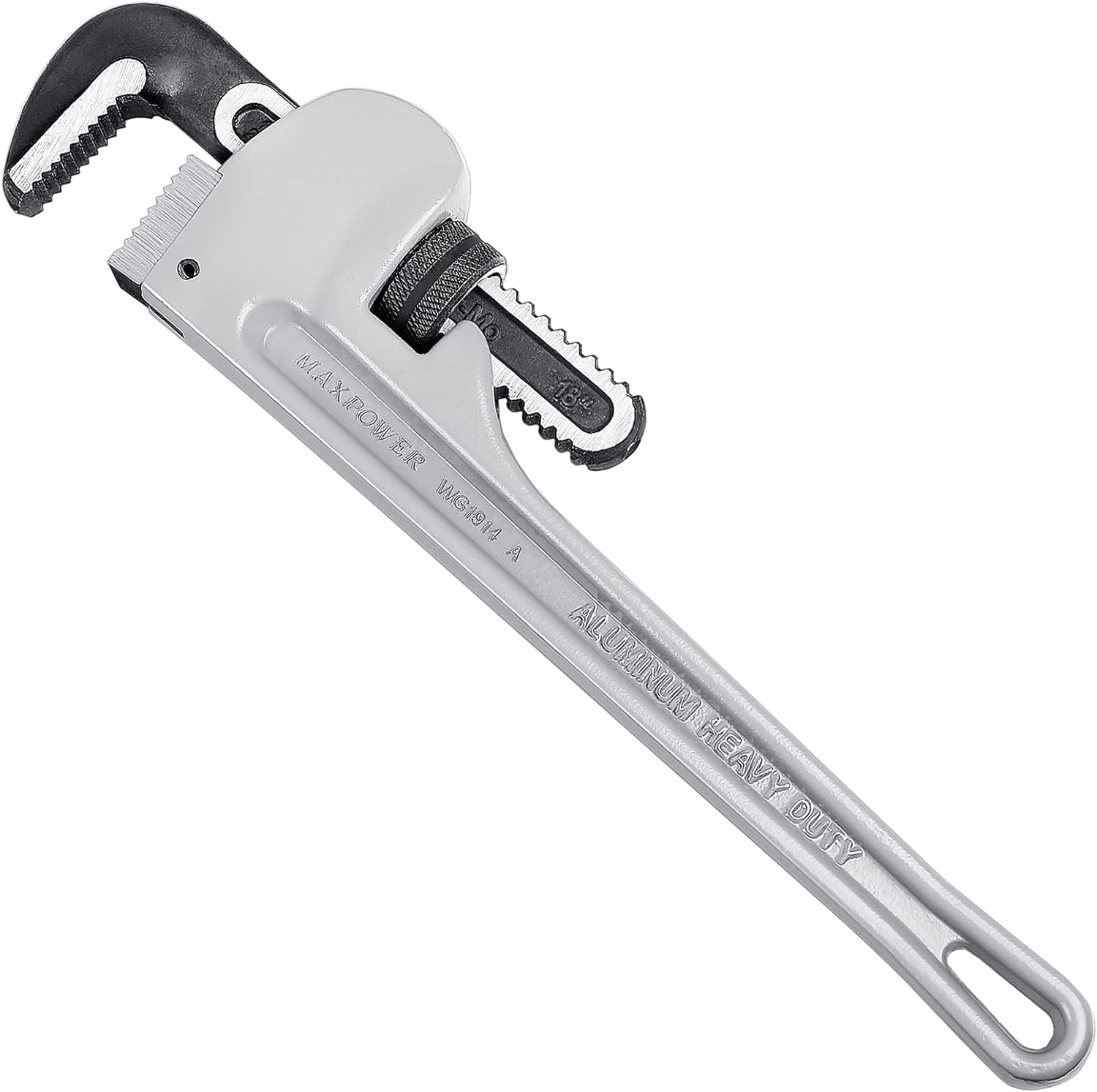 | It is used to work on pipes in Plumbing. |
| 7. Pedal Wrench | 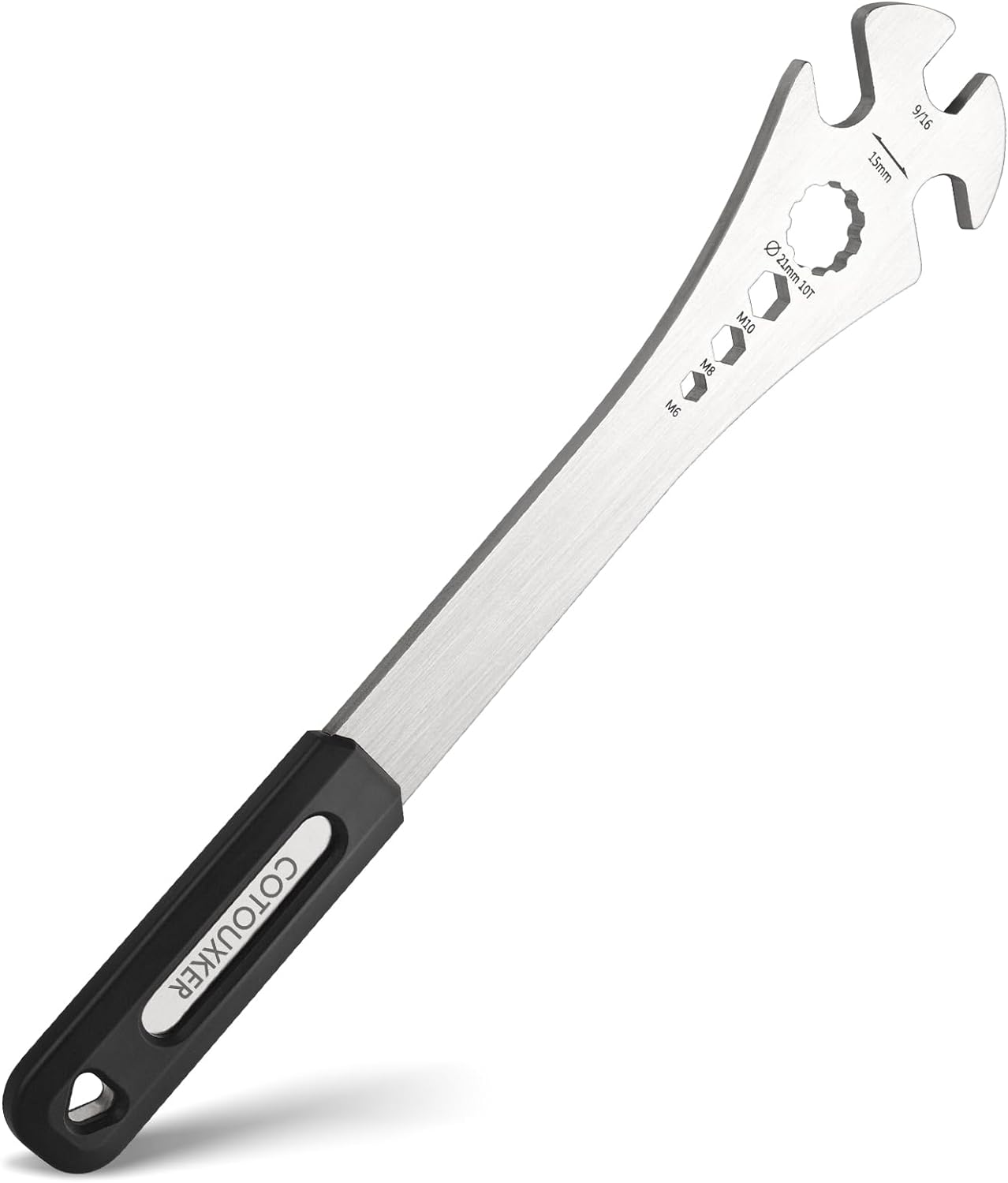 | It is used for bicycle or bike pedals to make tight or remove it for transportation. |
| 8. Crowfoot Wrench |  | It is used with a ratchet to operate nuts bolts which are hard to reach. |
| 9. Ratcheting Wrench |  | It opens and closes nuts and bolts when you do not want to lift the wrench to reposition it. |
| 10. Striking Wrench | 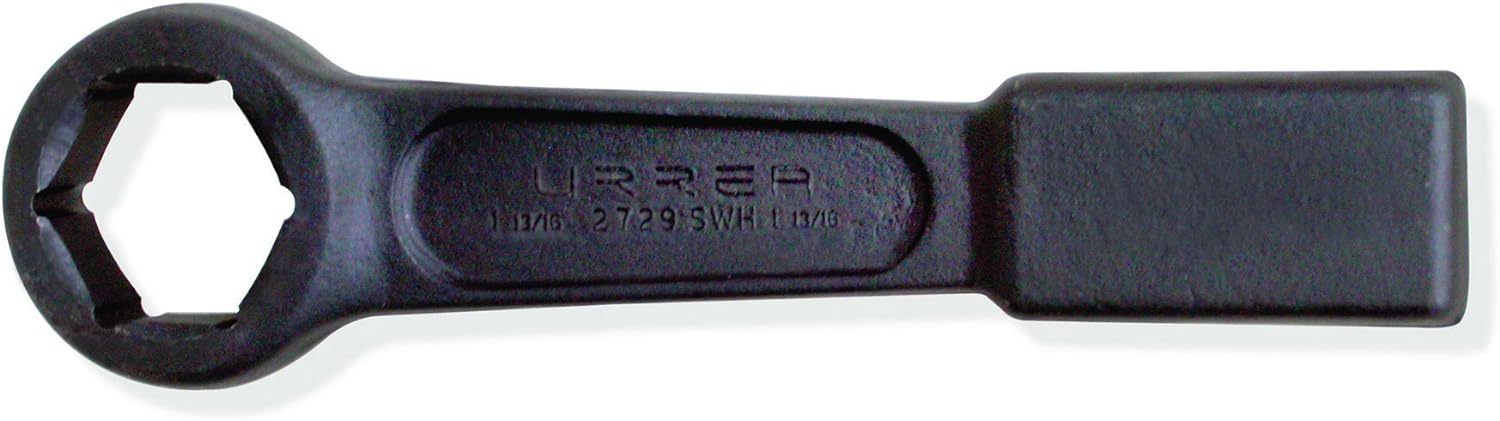 | – Great for opening tight nuts and bolts. – Closed-end loosen it and open-end unscrew it Completely. |
| 11. Socket Wrench | | Used for loosening or tightening fasteners like nuts and bolts very easily. |
Difference Between Wrench and Spanner
Many people get confused between a wrench and a spanner.
The main difference is regional terminology.
| Wrench | Spanner |
| Commonly used in the USA | Commonly used in the UK and Australia |
| Refers to torque-applying tools | Often refers to the same tool |
In practical use, both terms usually refer to the same tool.
Advantages of Wrenches
- Easy to use
- Reduces manual effort
- Provides better grip
- Helps apply high torque
- Available for different applications
- Improves work accuracy
Limitations of Wrenches
- Wrong size can damage fasteners
- Excessive force may cause slipping
- Some designs are application-specific
- Cheap-quality wrenches wear quickly
How to Choose the Right Wrench?
Choosing the right wrench depends on:
- Fastener Size: Always match the wrench size with the nut or bolt size.
- Working Space: For confined spaces, use crowfoot or ratcheting wrenches.
- Torque Requirement: Use a torque wrench when precise tightening is necessary.
- Type of Job: For plumbing, choose a pipe wrench; for bicycles, use a pedal wrench.
Conclusion
A wrench is an essential hand tool used to tighten, loosen, and hold nuts, bolts, and other rotating fasteners. From simple household repairs to complex industrial maintenance, different types of wrenches help improve efficiency, safety, and precision. Understanding the types, uses, and working principles of wrenches helps you choose the right tool for the job. Whether it is an open-end wrench for tight spaces or a torque wrench for precision fastening, every wrench serves a specific purpose. Learning about these tools can also help improve maintenance skills and make mechanical work easier and more effective.