
Understanding why crashes happen helps everyone stay safer on the road. We look at drivers or the cars themselves to find the root cause. Finding the answer is the first step toward preventing future pain.
Engineers study these events to see if a person or a machine failed. This looks at car safety and explains how those two factors interact. We can build better systems by looking at the science of collisions.
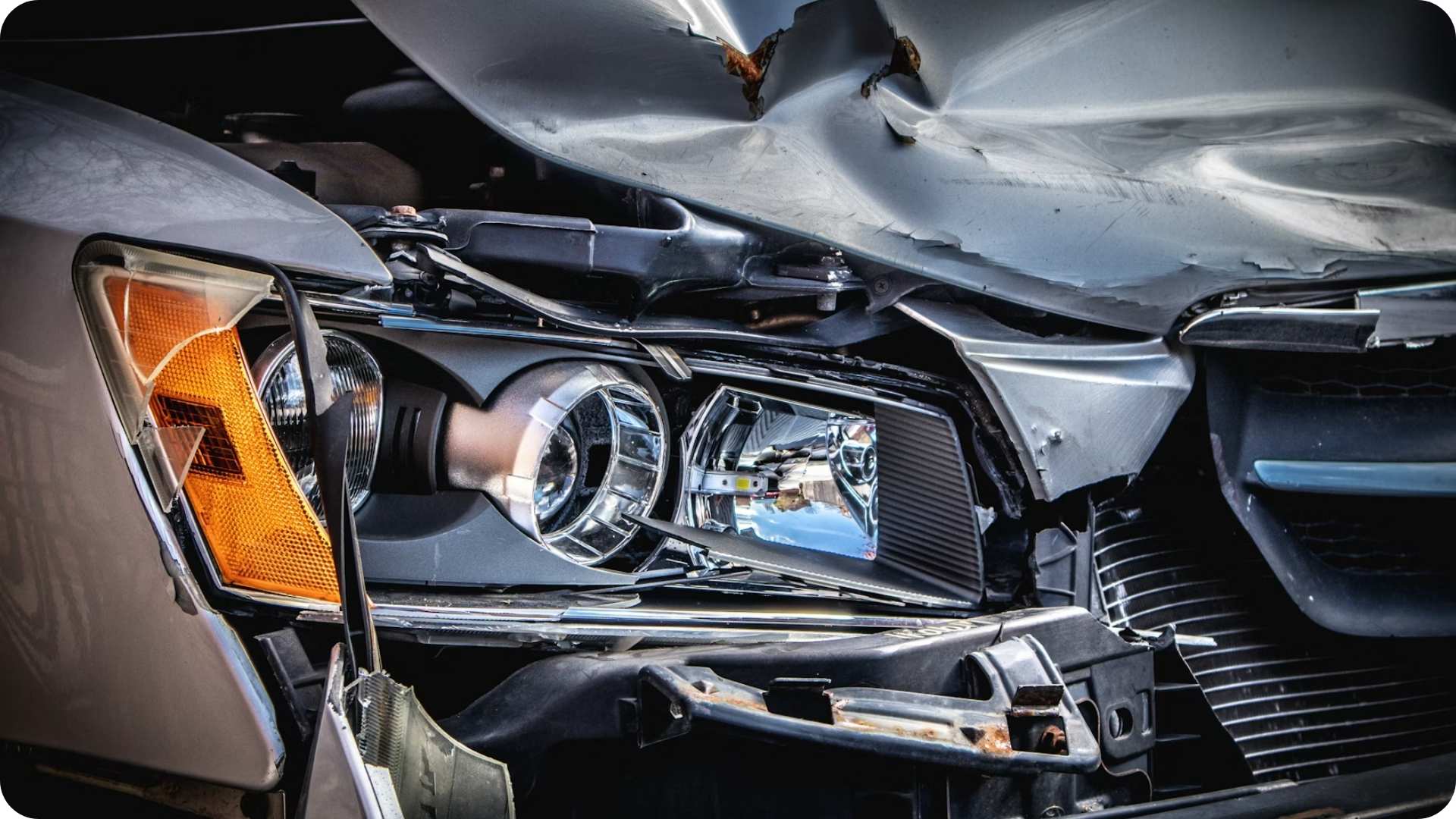
The Role Of Vehicle Mechanics
Modern cars are complex machines with thousands of moving parts working together. Every component must function correctly to keep the driver in control.
Even small defects or overlooked maintenance issues can have serious consequences on performance and safety. If you find yourself needing a legal team in Bethlehem or another place after a wreck, technical details matter. Engineers check every system to see what went wrong before the impact.
A simple bolt failure can lead to a massive problem at high speeds. These mechanical issues often happen without any warning to the person behind the wheel. A sudden loss of control is terrifying for any driver on the road.
Brake Systems And Heavy Vehicles
Large trucks face different mechanical challenges than smaller family cars. Their weight makes every stop a major engineering feat for the braking system.
Data from a government report on truck safety shows that 30% of large trucks had brake issues. This is a big jump compared to the 5% found in standard passenger cars. The difference shows how much pressure is put on commercial vehicle parts.
Keeping these systems maintained is a full-time job for shipping companies. The physics of a heavy truck make it very hard to stop when a part breaks. A single failed component can turn a routine trip into a major disaster.
Driver Behavior And Split Second Choices
Human error remains a top factor in most collisions seen on our roads today. Drivers make thousands of tiny decisions every time they head out for a drive. One wrong move can change the course of a trip in a heartbeat.
Distraction or fatigue can slow down a person’s reaction time by a few seconds. That small delay often leads to a crash that a machine might have avoided. Drivers need to stay alert to avoid these common pitfalls on the highway.
Even the best safety tech cannot always fix a bad choice made by a driver. Steering and speed are still mostly controlled by the person in the seat. Technology is a tool, but it cannot replace a careful mind behind the wheel.
How Road Design Impacts Safety
The way engineers build our highways affects how often accidents occur. Curves, hills, and lane widths play a part in keeping traffic flowing smoothly. Proper planning reduces the number of spots where cars might hit each other.
A recent study on traffic patterns found that road geometry is the main cause of failures in self-driving cars. This differs from human drivers, who are more affected by traffic flow. Engineers must account for these differences when designing modern streets.
- Sharp curves increase the risk of roll-overs.
- Poor lighting makes it harder to see mechanical debris.
- Narrow lanes leave less room for steering errors.
- Steep grades put extra stress on vehicle engine components.
Technology And Predicting Risk
Computers are getting better at spotting where and when a crash might happen. This tech helps engineers fix dangerous intersections before more people get hurt. Smart cities use this info to make better choices for their citizens.
Research into modern tech tools explains how machine learning identifies high-risk areas. These programs look at past data to predict where future crashes are likely to occur.
Using this data allows city planners to make better choices about road safety. It turns reactive repairs into a forward-thinking way to save lives on the highway. Data is becoming the most important tool for modern traffic engineers.
Identifying The Primary Cause
Deciding if a crash was a mechanical failure or a human mistake is not always easy. Investigators look at tire marks, black box data, and witness statements to find the truth. They piece together the story from the broken metal left behind.
Sometimes a mechanical failure happens because a person forgot to fix a known problem. In those cases, the line between machine and human error gets very blurry. Neglect is a human choice that leads to a machine failure.
Forensic engineers use 3D models to recreate the final moments before a collision. This science helps determine if a part snapped or a driver failed to brake.
The Future Of Automotive Safety
Cars are becoming more automated to remove the risk of human mistakes. New sensors can see things that the human eye might miss in the dark. These systems act as a second pair of eyes for the driver.
Even with better tech, mechanical maintenance will always be a requirement for safety. A sensor cannot help if the tires are bald or the steering linkage breaks. Regular checkups at the shop are just as important as the latest software.
We are moving toward a world where cars talk to each other to prevent hits. This engineering shift aims to make the “human error” category a thing of the past. Success in this field will mean fewer families dealing with the pain of an accident.
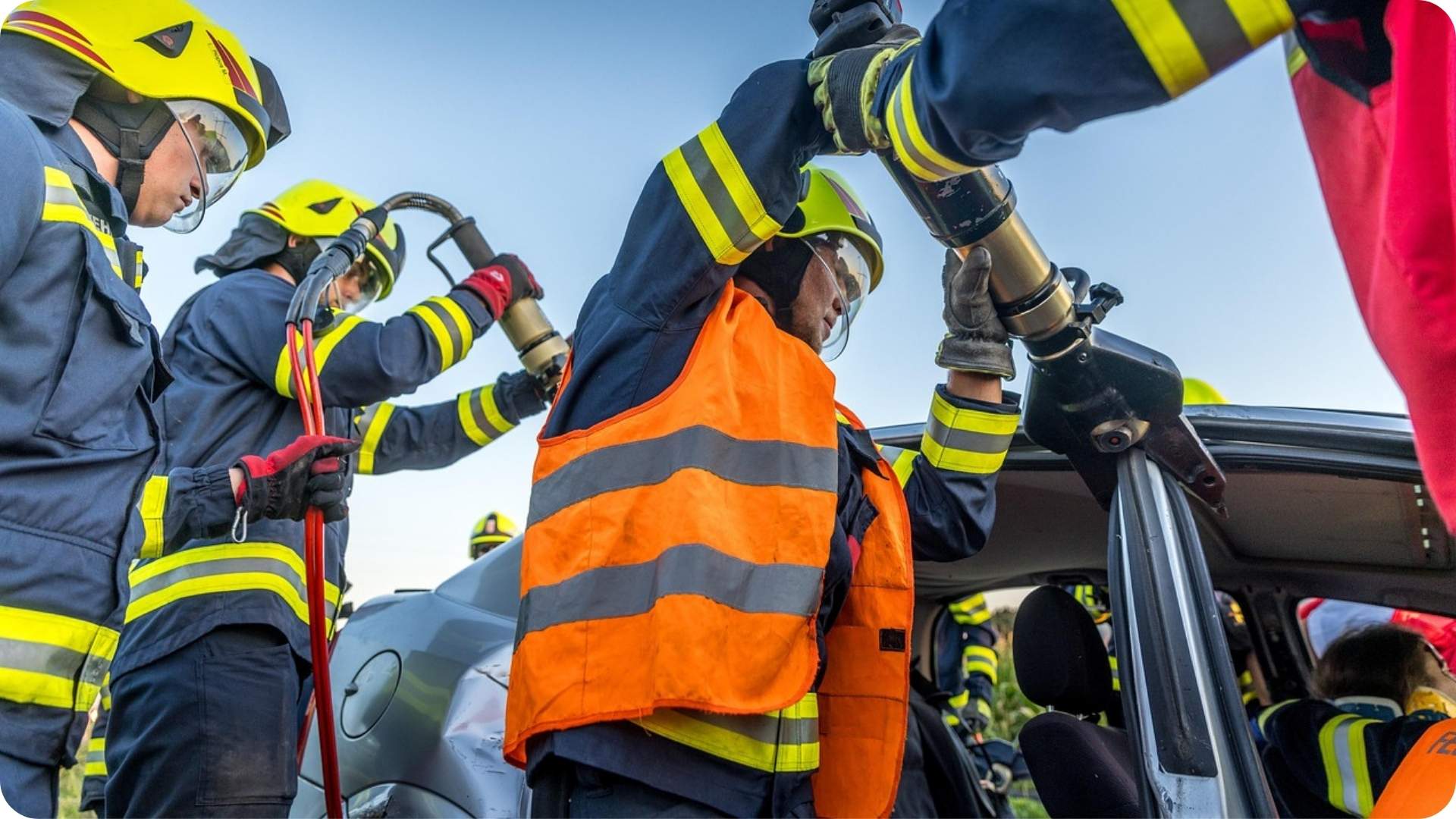
Balancing the needs of the driver with the limits of the car is a constant challenge. Both human choices and machine health play a role in every trip. Safety is a shared duty between manufacturers and owners.
Staying informed about these risks helps you stay safe on the road. Understanding the engineering behind crashes makes us all better drivers and owners. Knowledge is the best defense against a dangerous situation.