
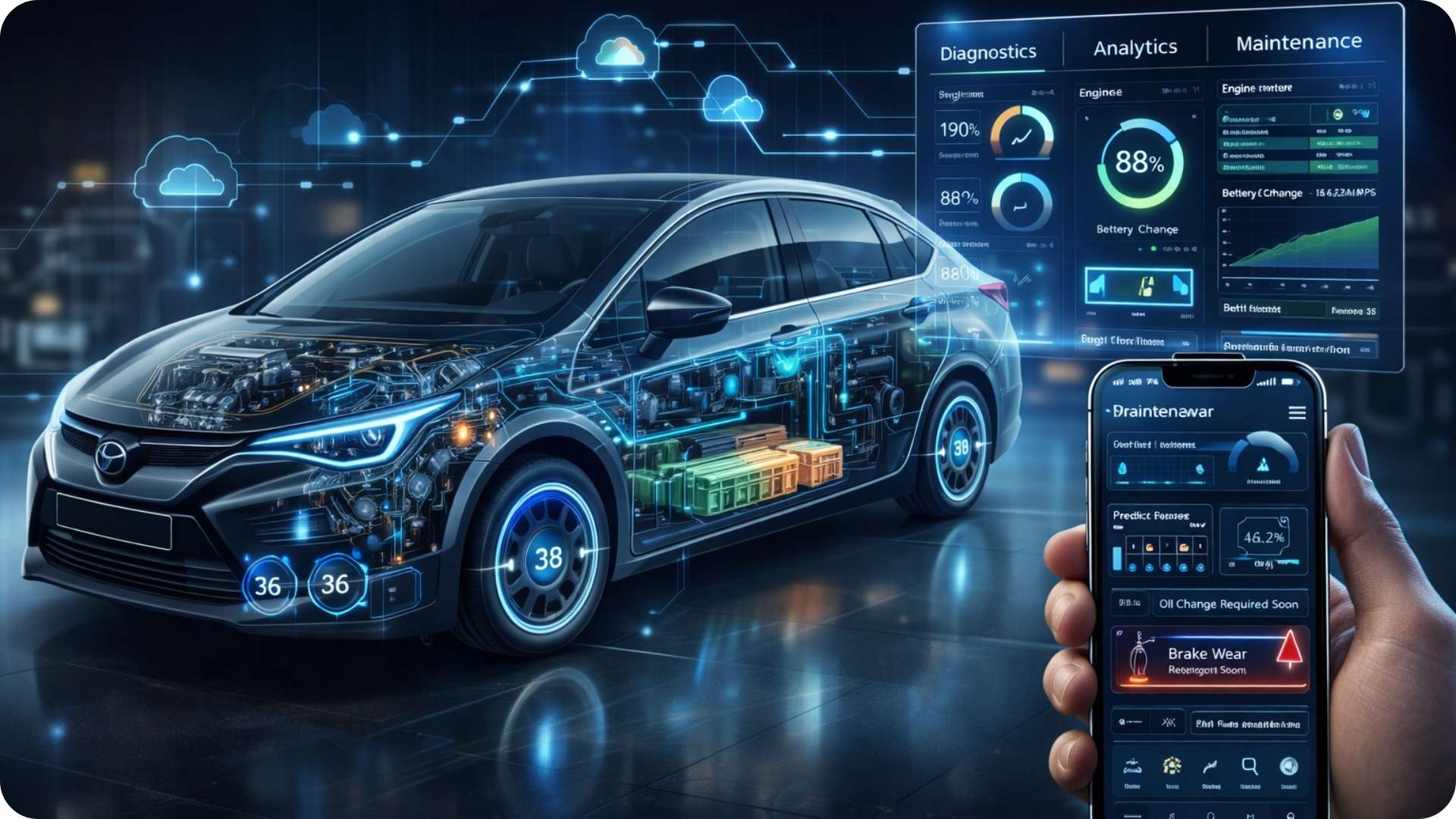
Modern vehicles are no longer just machines; they are sophisticated networks of sensors, processors, and connectivity systems. Every journey generates a wealth of data, from engine performance and fuel consumption to tyre pressure and battery health. Vehicle data analytics is the practice of collecting, interpreting, and acting on this information to enhance maintenance, diagnostics, and overall driving experience.
As drivers invest more in personalisation and data-driven care, companies like Number 1 Plates have observed that motorists increasingly want every aspect of their vehicle, from registration to maintenance, to reflect their attention to detail. Understanding and utilising car data is quickly becoming a cornerstone of modern vehicle ownership.
What Vehicle Data Analytics Means for Modern Cars
At the heart of data-driven automotive maintenance are systems like OBD-II (On-Board Diagnostics), telematics devices, and connected vehicle networks. These technologies continuously monitor key metrics such as engine temperature, fuel efficiency, tyre pressure, battery levels, and even driver behaviour.
Connected cars, especially hybrids and EVs, transmit this data to cloud platforms, enabling manufacturers, fleet managers, and owners to gain actionable insights. For example, predictive alerts can notify drivers about potential issues before they become serious, reducing downtime and preventing costly repairs.
This shift is not just technical; it is redefining how drivers perceive their vehicles. Cars are no longer static possessions but dynamic, self-reporting machines that require attention informed by data, not just instinct.
Impact on Car Maintenance
Traditionally, car maintenance has been reactive: oil changes scheduled by mileage, tyres replaced when worn, and repairs performed after a breakdown. Vehicle data analytics is moving this process from reactive to proactive.
Sensors can detect oil degradation, brake pad wear, or battery decline well before they result in failure. For example, a smart sensor might indicate that engine oil needs changing in the next 200 miles, allowing owners to schedule maintenance efficiently rather than waiting for a warning light.
Fleet operators are already adopting analytics extensively. Trucks, delivery vans, and company cars are monitored to anticipate maintenance needs, optimise routes, and extend vehicle life. Individual drivers can now access similar insights via smartphone apps, making proactive care accessible beyond commercial fleets.
Influence on Diagnostics and Repair
Diagnostics have also been transformed by data. Mechanics can now pinpoint issues with precision, reducing guesswork and unnecessary part replacements. Real-time data from sensors enables targeted troubleshooting, allowing repairs to be completed faster and more accurately.
Artificial intelligence and machine learning further enhance these capabilities. Algorithms can analyse patterns in engine behaviour or braking performance to predict component failure, sometimes before the driver even notices a problem. This predictive approach improves reliability and safety, while also helping reduce costs associated with emergency repairs.
Digital dashboards and mobile apps provide direct feedback to drivers, offering detailed insights into their car’s health. Owners can monitor trends over time, track maintenance history, and even share data with their mechanics for more informed service recommendations.
Broader Trends in Automotive Personalisation & Ownership
Vehicle data analytics is also influencing how owners personalise their cars. Beyond aesthetic modifications, motorists are increasingly concerned with how their vehicles operate and perform. Smart dashboards, personalised alerts, and monitoring apps allow drivers to curate both the experience and the maintenance of their vehicle.
For drivers looking to combine personalisation with smart maintenance, services like Number 1 Plates illustrate how motorists are thinking about their cars holistically — both as a personal statement and a well-maintained machine. From bespoke registrations to data-informed care, ownership is becoming a comprehensive experience rather than a series of isolated tasks.
Challenges and Considerations
While the benefits are clear, vehicle data analytics comes with challenges. Data privacy is paramount; connected systems must ensure that sensitive driver and vehicle information is protected. Cybersecurity is an ongoing concern, particularly as cars become more connected.
Cost can also be a barrier. Some analytics systems and telematics devices are expensive, and not all aftermarket solutions integrate seamlessly with existing vehicles. Mechanics, too, need to upskill to interpret complex datasets, moving from traditional hands-on experience to tech-driven problem solving.
Conclusion
Vehicle data analytics is reshaping the landscape of car maintenance and diagnostics. By enabling predictive maintenance, precise diagnostics, and a more informed ownership experience, these technologies are improving reliability, efficiency, and safety.
More than just a technical tool, data analytics is influencing how drivers interact with their cars and how they personalise them, creating a closer bond between owner and machine. In the coming years, understanding and leveraging vehicle data will become as essential as fuel and tyres — marking a new era in automotive ownership where intelligence meets care.