
Every breath you take inside your home carries more weight than most people realize. Seriously, while everyone’s busy worrying about smog and outdoor pollution, the air trapped inside your walls is often far worse. Indoor air pollution builds up quietly, day after day, through things as ordinary as frying dinner, spraying cleaner, or just sleeping.
For families in Hampton, NH, and across New England, where homes get buttoned up tight every winter, that buildup accelerates fast. The good news? You have more control over this than you think.
Essential Maintenance and Smart Innovations for Home Air Quality
Nobody loves talking about maintenance. But here’s the honest truth: it’s the difference between a system that protects your family and one that’s just running up your energy bill while quietly recirculating dust.
Smart Home Innovations for Improving Home Air Quality
Maintenance keeps things running. Smart tech makes them run intelligently. To improve home air quality proactively, IoT sensors now track pollutant levels, humidity, and temperature all at once, often from an app on your phone.
Over 62% of U.S. households currently use some form of air quality improvement system, and that number keeps climbing as the tools get more accessible. Smart thermostats integrate with ventilation to automate real-time adjustments. Air quality alerts hit your phone before a problem becomes a crisis. For families with young kids or anyone dealing with respiratory issues, these tools cross the line from convenient into genuinely health-protective territory.
Eco-Friendly Upgrades That Boost Indoor Air Quality
Smart devices offer real-time control, while low-VOC paints, formaldehyde-free flooring, and natural furnishings reduce indoor pollutants from the start. Weatherstripping, caulking, and proper insulation help block pollen, fumes, moisture, and mold, improving air quality while lowering energy costs for years.
Essential Indoor Air Quality Solutions for Every Home
Hampton, NH, isn’t your average suburb. It’s a coastal community with humid summers, brutal winters, and the kind of close-knit neighborhood culture where people genuinely invest in their homes. That specific climate, salt air, moisture swings, and tight insulation create real challenges for maintaining healthy indoor air all year long. Working with a Hampton, NH HVAC company that actually knows this region means you’re getting advice built around your conditions, not some generic checklist.
So let’s get practical. Here’s what actually works.
Advanced Air Filtration Systems for Cleaner Living
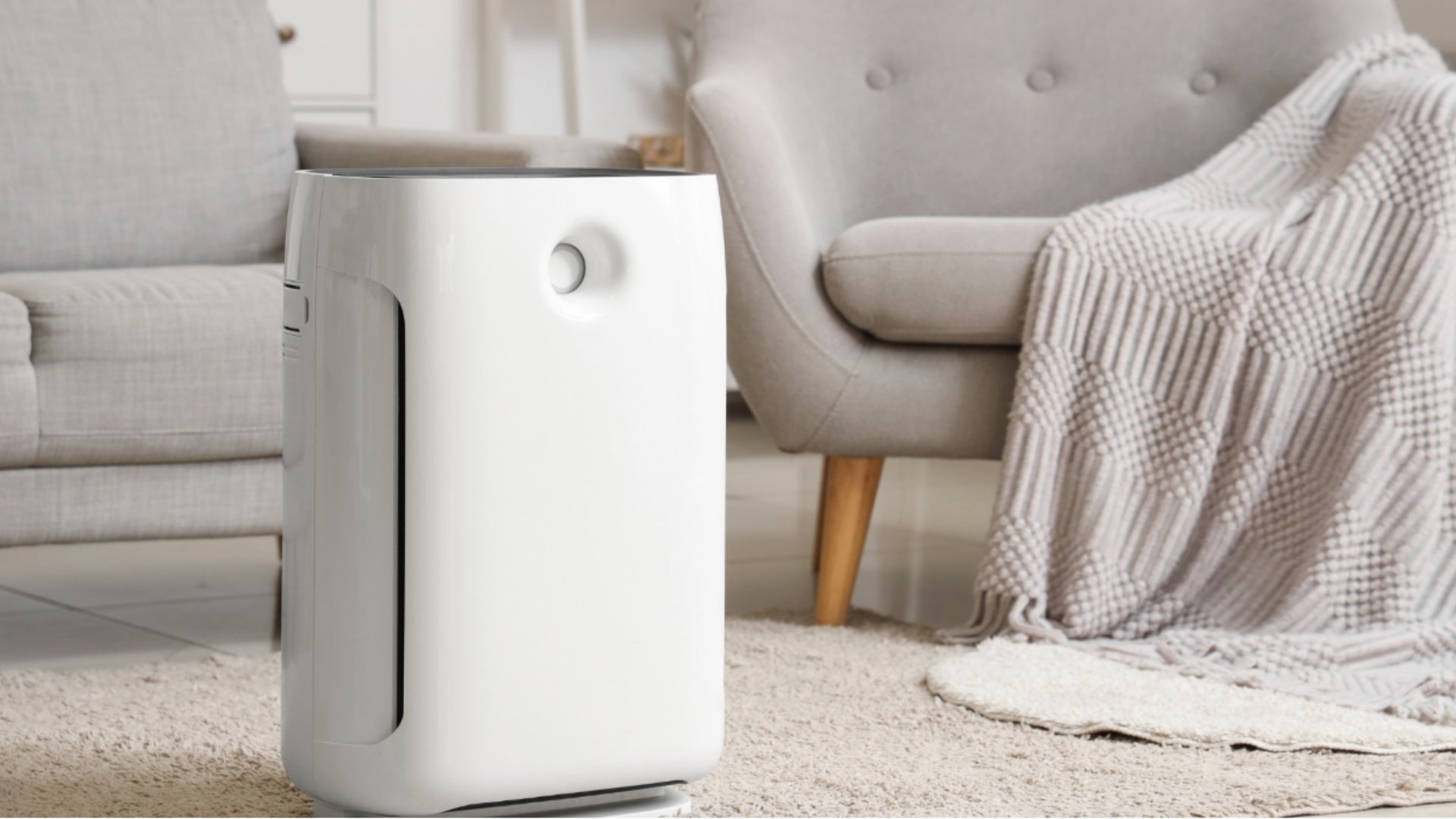
Finding the best air purifiers for home use is trickier than it sounds. Marketing language muddies everything. What you actually want: HEPA filters that capture 99.97% of airborne particles, activated carbon layers for odors and VOCs, and ideally UV-C technology to knock out bacteria and mold spores. Smart purifiers with live air quality readings go a step further; they adjust automatically so you don’t have to babysit them.
Room size compatibility is non-negotiable. An undersized unit works overtime and still underdelivers. Factor in noise levels, filter replacement costs, and energy draw before committing. And placement matters near high-traffic areas or bedrooms, you’ll notice the difference fastest.
Top Home Ventilation Tips for Fresh, Healthy Air
Here’s something filtration alone can’t fix: stale air. No matter how good your purifier is, if your home isn’t exchanging air properly, you’re just cleaning the same contaminated air in circles. Heat Recovery Ventilators (HRVs) and Energy Recovery Ventilators (ERVs) are genuinely excellent for New England homes. They swap stale indoor air for fresh outdoor air without bleeding out your heat.
These home ventilation tips aren’t just cold-weather wisdom. Kitchens and bathrooms need spot ventilation year-round to clear out moisture and cooking pollutants fast. Smart vents and programmable controls make personalized airflow something you set once and mostly forget.
Combat Indoor Air Pollution with Proven Techniques
Ventilation lays the groundwork. But knowing what pollutants are actually lurking? That’s where your strategy sharpens. VOCs off-gas from paints, furniture, and half the cleaning products under your sink. Mold, dust mites, pet dander, and tobacco smoke round out the usual suspects.
Addressing indoor air pollution starts at the source, not just the symptom. Swap to fragrance-free, low-chemical cleaners. Vacuum regularly with a HEPA-equipped machine. Real-time air quality monitors now cost a fraction of what they used to, and they’re genuinely eye-opening, especially if someone in your household deals with allergies or asthma.
Humidity Management for Comfort and Health
This one flies under the radar more than it should. Moisture levels inside your home quietly amplify almost every indoor air threat you’re dealing with. In fact, indoor pollutant concentrations can sometimes run over 100 times higher than typical outdoor levels, and humidity is a major driver of that.
Keep humidity between 30% and 50%, and you significantly cut down on mold growth, dust mite populations, and allergen activity. Dehumidifiers earn their keep in basements and crawl spaces. Humidifiers are your friend during those dry New England winters. For the most consistent results, integrated HVAC humidity control handles everything automatically, with no daily adjustments needed.
Even the best humidity controls are only as effective as the HVAC system behind them. That’s why maintenance is next on the list.
Trending Innovations and Action Plans for 2026
The foundational work matters most. But the air quality field is moving fast, and some of what’s emerging is genuinely exciting.
Latest Trends in Air Purification and Filtration Tech
Nano-fiber membranes and photocatalytic oxidation are producing results that older technologies simply can’t match. Portable air quality devices, including wearables, are gaining real traction, particularly among people managing respiratory conditions. Worth watching.
Clean Air Certifications and Community Initiatives
Forward-thinking homeowners are designing their entire living spaces around air quality. WELL and LEED certification programs evaluate indoor environment quality as part of broader home wellness design. Biophilic design plants, natural ventilation, and organic materials work alongside these programs to passively create healthier spaces.
It doesn’t stop at your front door either. In Hampton, NH, you can join local air quality monitoring networks that maintain neighborhood-level pollution data. Partnering with a Hampton, NH HVAC company that genuinely cares about community wellness means your upgrades contribute to cleaner air beyond your own property line.
Step-by-Step Indoor Air Quality Action Plan for Homeowners
Inspiration without action is just reading. Here’s where to actually start.
Quick Assessment Checklist
Watch for these warning signs: persistent indoor allergy symptoms, musty smells, visible mold, condensation on windows, or dust that seems to reappear within days of cleaning. Any of these signals warrants a closer look, not next season, now.
DIY Solutions vs. Professional Services
You can confidently handle filter replacements, monitor installation, weatherstripping, and switching to low-VOC products. Duct cleaning, HVAC servicing, whole-house ventilation installation, and professional air quality assessments genuinely require trained hands to be done safely and effectively. Know the line between the two.
Final Thoughts on Cleaner, Healthier Home Air
Indoor air quality solutions aren’t an upgrade reserved for wellness enthusiasts; they’re a practical investment in how your family feels every single day. From picking the best air purifiers for home use to booking annual HVAC maintenance, every step compounds. Layer smart technology, eco-friendly materials, humidity control, and professional expertise together, and you’ve built something comprehensive, a home that actively resists indoor air pollution rather than just tolerating it.
Pick one thing from this list and do it this week. Then build from there. The air inside your home is yours to control.
Common Questions About Indoor Air Quality Solutions Every Homeowner Should Know
HEPA-certified purifiers with activated carbon filters work best. They capture pet dander, hair, and odors simultaneously. Look for units sized appropriately for the room, with low noise ratings for bedroom use.
Yes, depending on outdoor conditions. During high pollen seasons or near heavy traffic areas, open windows introduce more pollutants than they remove. Check local air quality indexes before ventilating naturally.
Every 60 to 90 days for most households. Homes with pets, smokers, or allergy sufferers should replace filters every 30 to 45 days to maintain effective filtration and HVAC performance.