
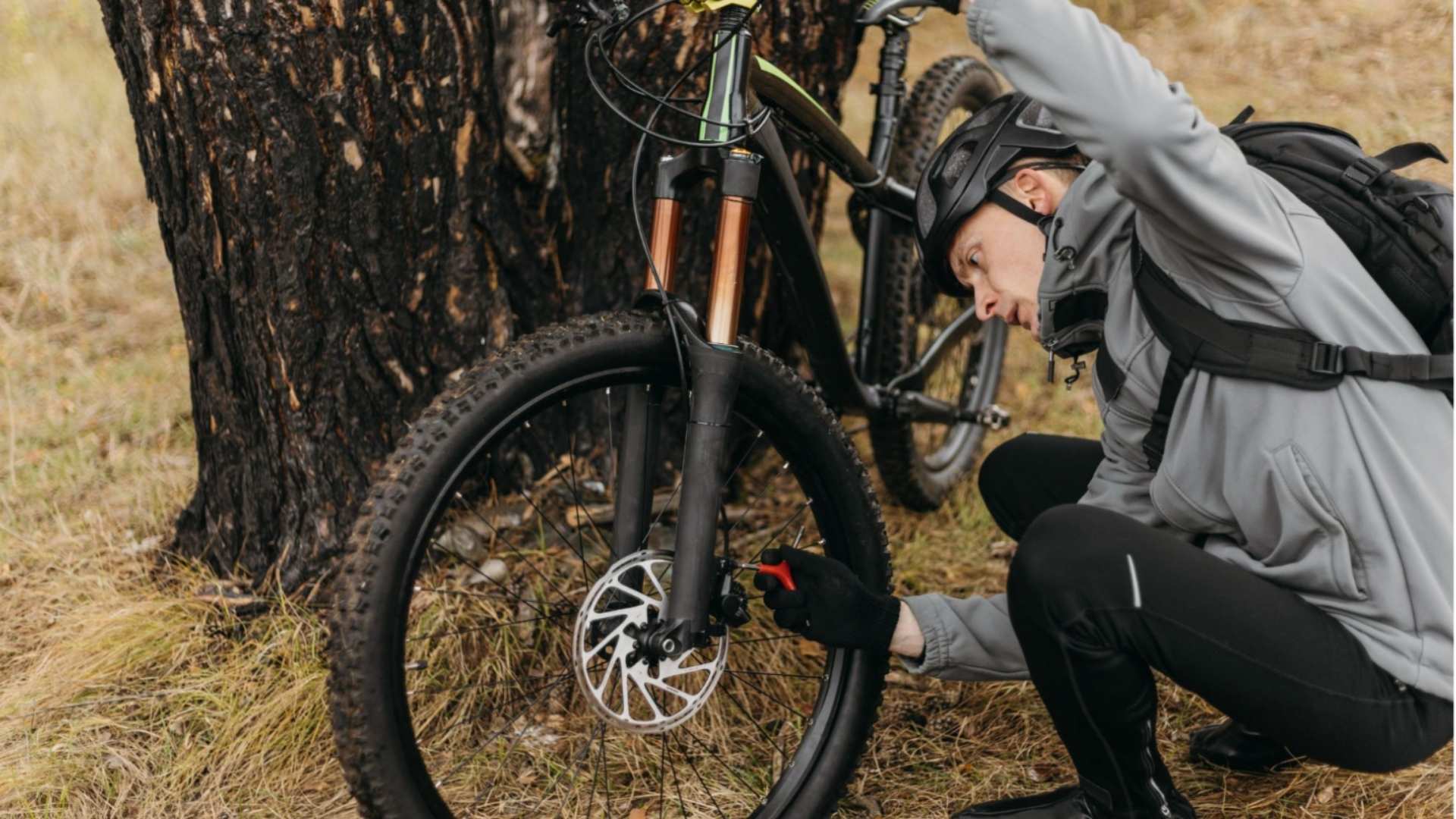
Fat tire bikes are no longer just for mountain trails or snowy paths. Today, more people are choosing them for daily rides, weekend adventures, and fitness fun. Their wide tires give better balance, a smoother ride, and more control on rough roads, sand, mud, and even city streets.
Riders of all ages enjoy the comfort and confidence these bikes offer. As outdoor activities grow in popularity, fat tire bikes are becoming a smart and exciting choice for many people.
Whether you want adventure, comfort, or a new way to stay active, these bikes are quickly changing how people enjoy cycling today.
What the benefits of fat tire bikes Actually Look Like in Practice
Culture can generate curiosity. But it’s real-world performance that converts curious onlookers into committed riders. Here’s where fat tire bikes genuinely earn their reputation.
Traction That Changes Everything
Fat tires deliver up to 4x the ground contact of standard bike tires. That’s not a marginal improvement, it’s a fundamentally different riding experience. Surfaces that send a regular bike sliding sideways become manageable. Snow, sand, gravel, wet pavement, fat tires grip where others slip.
Rider confidence follows naturally. And confidence changes how far you’ll go.
Comfort Engineered Into Every Tire
Fat tires typically run at 5 to 15 PSI. That low pressure means the tire itself absorbs road shock bumps, cracks, and rough patches that would rattle your hands on a standard bike, and simply get swallowed up. One of the biggest benefits of fat tire bikes is the smooth and comfortable ride they provide.
Beginners notice it immediately. Older riders appreciate it deeply. Many people who’ve switched report significantly less wrist and shoulder strain. That comfort isn’t a happy accident; it’s built into the design.
Year-Round Versatility You’ll Actually Use
One of the most underappreciated advantages is how little seasonal adjustment fat tire bikes require. Road bikes struggle through wet winters. Mountain bikes feel excessive on city paths. Fat tire bikes handle both, plus everything in between.
Commuters have described riding calmly through morning snowstorms while colleagues sat stuck in traffic. Adventure riders use the same bike across summer desert routes and winter forest trails. One bike, all seasons, that’s a genuinely compelling case.
A Fitness Benefit Most Riders Don’t Expect
Here’s something worth knowing before you buy: the added rolling resistance means every pedal stroke demands more effort. That translates into higher calorie burn and stronger cardiovascular output compared to standard cycling.
Riders who switch from mountain bikes often notice faster leg and core strength gains. The resistance isn’t a drawback for anyone chasing fitness results; it’s a quiet feature.
Accessibility That Brings More People Into Cycling
Perhaps the most underrated advantage is how welcoming fat tire bikes are to riders who’ve always felt cycling wasn’t built for them. The wide, stable platform dramatically lowers the learning curve.
People recovering from injuries, adults managing balance concerns, and first-time cyclists consistently find fat tire bikes more forgiving than anything they’ve ridden before. Several adaptive cycling programs now incorporate fat tire models specifically for this reason.
Also Read:
- Top 7 Must-have Dirt Bike Parts & Accessories
- Bike Tire Pressure : Ultimate Guide to the Right PSI for Bike Tires
- Top 5 Best Tire Pressure Gauges to Buy
Urban Streets and Wild Trails Fat Tire Bikes Handle Both
Commuting Through the Chaos
City streets are genuinely hostile to bikes, with potholes, cracked asphalt, debris, and slick painted crosswalks.
Fat tire bikes navigate all of it without drama. Some urban bike-share programs have already introduced fat tire models because they hold up better across unpredictable city terrain.
Adventure Without Limits
Bikepacking routes across Alaskan snowfields, coastal paths, and desert backcountry are increasingly ridden on fat tire models. Long-distance riders single out stability under heavy loads as a key reason. When a trail gets unpredictable at mile 40, extra tire width underneath you feels less like a feature and more like a safety net.
Technology Moving the Category Forward
Electric fat tire bikes, e-fat bikes, now combine motor assistance with wide-tire terrain capability, making ambitious rides accessible for a much broader range of riders.
Sustainable frame materials, GPS integration, and mobile app connectivity are becoming standard on premium models. These aren’t just mechanical tools anymore. They’re sophisticated, connected machines.
Where This Market Is Headed
The Global Fat Tire Bike Market is projected to grow from $2,350 million in 2025 to $5 billion by 2035, at a CAGR of approximately 7.8%. AI-assisted gear systems, bio-sensor integration, and eco-friendly bamboo-composite frames are already in development. Urban planners across North America are beginning to weave fat tire infrastructure into trail networks. The trajectory is clear, and it’s heading upward.
The Bottom Line
Fat tire bikes have earned their place well beyond novelty status. The traction advantage is real. The comfort is real. The year-round versatility is real. A Michigan-based commuter switched after years of seasonal riding gaps and never looked back. A New York road cyclist described her fat tire bike as feeling “like a tank” against crosswinds, a confidence she’d never experienced before. These aren’t edge cases. They’re increasingly the norm.
If you’ve been watching from the sidelines, the question worth asking isn’t whether fat tire bikes are worth trying; it’s why you haven’t yet.
FAQs
Fat tire bikes offer better balance, extra comfort, and improved control on rough surfaces. Their wide tires absorb shocks from bumps and uneven roads, making rides smoother and easier on the body. They also perform well on sand, snow, mud, and gravel.
Yes, fat tire bikes are great for beginners. The wider tires provide more stability and grip, which helps new riders feel safer and more confident while riding on different terrains.
Absolutely. While they are built for rough terrain, fat tire bikes also work well on city streets and paved roads. Many riders enjoy them for daily commuting because they offer a comfortable and stable riding experience.