

In the tough field of construction and mining, an excavator and its tools work closely together in an essential partnership. Wrong attachment operation or skipped attachment maintenance can trigger severe hydraulic breakdowns, body cracks, and lower fuel use.
At METDEEM, we stand out as a leading maker of sturdy construction equipment and attachments. We serve clients in more than a dozen nations and areas. We know that an excavator represents a major outlay. Its lasting service hinges largely on the excavator attachments it uses.
The Critical Role of Hydraulic Matching
Importance of Precision Hydraulic System Matching
The hydraulic setup acts as the core of every excavator. When we craft METDEEM items, we focus on the balance between what the tool needs and what the main unit delivers. A poor match often leads to early damage to the main pump and control valves of the host machine.
Preventing Host Machine Pressure Overload
Each tool demands a certain pressure level to run well. If the safety valve on the main unit sits too high for the tool, the hydraulic pump runs at full throttle all the time. This causes excess heat and harm to the inner seals. We advise checking that the main unit’s hydraulic setup matches the specs of your gear.
Optimizing Flow for Attachments
Flow rate, measured in liters per minute (LPM), matters as much as pressure. If you attach a high-flow tool to a unit with low flow, the tool will lag and underperform. On the flip side, too much flow can make the tool’s parts spin too fast. Such a mismatch stirs up rough flow in the hydraulic fluid. That wears down the fluid’s condition and hurts the delicate electronic fuel systems in newer models.
Operational Excellence for Machine Longevity
Handling Hydraulic Breakers Safely
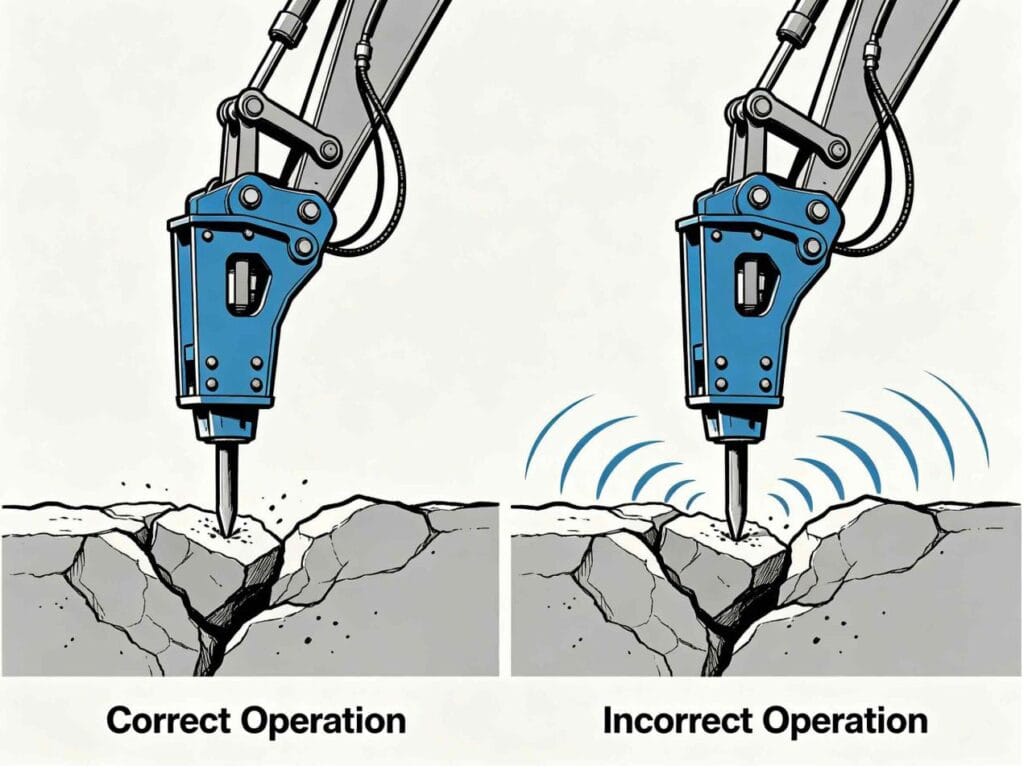
With a hydraulic breaker, workers should steer clear of “blank firing.” That means hitting when the chisel isn’t pressed hard against the stone. Such action sends a strong jolt through the excavator’s arm and upper structure. Also, never use the breaker to lever or shift big rocks. Side forces like that can warp the breaker’s body and wear out the pin-and-bushing joints on the excavator over time.
Efficient Material Sorting with Buckets
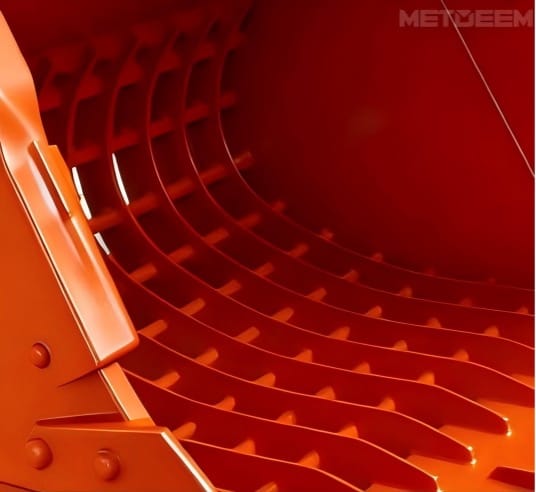
For tasks like sifting and sorting, the skeleton bucket helps separate materials without heavy arm shaking. Wild shaking to empty the bucket adds extra load on the excavator’s hydraulic rams and turn motor. Our skeleton bucket is built so fine bits fall out with ease. This cuts the strain on the main unit.
Reducing Structural Stress During Heavy Lifting
When lifting with the clamp bucket or a grabber, keep an eye on the unit’s load limits. Going over those limits not only risks tipping, but it also pulls at the hydraulic gaskets and stresses the arm’s joint spots. Good handling stays within rated loads. That way, you maintain the solid build of your excavator for the long haul.
Installation and Setup Fundamentals
Secure Connections via Quick Hitches
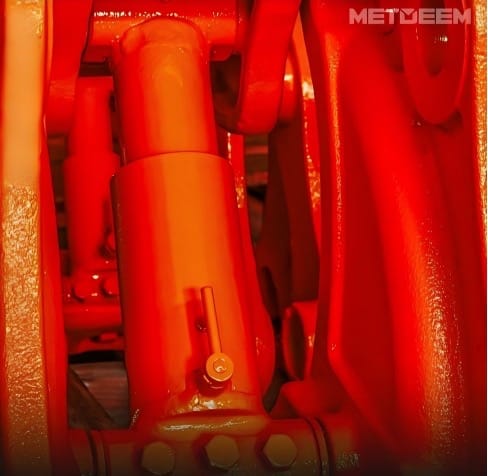
The link point is where issues often start. A sound setup forms the base for host machine protection. A quick hitch or coupler creates a firm, tight link. Any slack in the arm-to-tool joint leads to pounding on the pins and sleeves with every shift in motion. Making sure the quick hitch locks in place and gets regular oil keeps the arm’s mount holes from wearing out.
Managing Hydraulic Hose Routing and Protection
Bad hose paths can catch on rubble or scrape the arm, causing drips. For fitting a hydraulic magnet, give the hoses room to move fully. But tie them down to stop flailing. Dirt poses another threat. So, wipe the quick-connect fittings clean before linking a tool like the rock bucket. This blocks grime from slipping into the main unit’s hydraulic lines.
A Proactive Maintenance Strategy
Daily Lubrication for Grapple Joints
At METDEEM, we see attachment maintenance and unit upkeep as one joined effort. Skipping it builds up drag, which creates warmth and locks the pins. That extra pull makes the excavator’s hydraulic system strain more. As a result, it burns extra fuel and speeds up pump wear.
Scheduled Inspections of High-Wear Components
We suggest routine checks on wear strips and tips for items like our rock bucket. Worn-out tips mean the worker pushes harder to dig in. This taxes the excavator’s hydraulic rams. Keeping the wear items sharp and whole lets the main unit run smoothly.
Monitoring Hydraulic Oil Quality and Temperature
Tools with steady shakes or spins, like the 360° rotation sleeper machine, heat the oil fast. Watch the fluid’s shade and odor closely. Dark or scorched oil signals that the tool demands more cooling than the main unit provides. It could also mean shortening the filter change times.
Conclusion
Guarding the main unit goes beyond dodging major mishaps. It calls for steady habits in proper attachment operation and strict attachment maintenance. Picking METDEEM gear means putting money into tools built on “Durability and Quality” as key strengths. We urge you to handle your equipment with expert attention. That keeps your equipment group delivering top results for years. Discover the full range of METDEEM excavator attachments today and contact our experts to ensure your host machine is perfectly paired for maximum productivity!
FAQs
A: You should consult the technical specifications for each tool. You can also monitor the machine’s performance; if the attachment moves too slowly or the hydraulic oil overheats rapidly, there is likely a flow or pressure mismatch that requires adjustment.
A: A quick hitch adds a small amount of weight and changes the “tip radius” of the bucket slightly. However, the benefit of being able to switch rapidly between specialized tools like a skeleton bucket and a rock bucket far outweighs the minor change in force, as it ensures you are always using the right tool for the job, which protects the host machine from misuse.
A: The most common mistake is neglecting lubrication on pivot points, such as those on the clamp bucket. Without grease, the friction between pins and bushings generates heat that can eventually lead to structural failure or “binding,” which forces the host machine’s hydraulics to work under extreme, unnecessary pressure.
A: “Blank firing” occurs when a hydraulic breaker is cycled without the chisel being pressed against a hard surface. The energy of the piston strike is not absorbed by the rock but is instead transmitted back through the breaker housing and into the excavator’s boom, causing micro-fractures over time.