
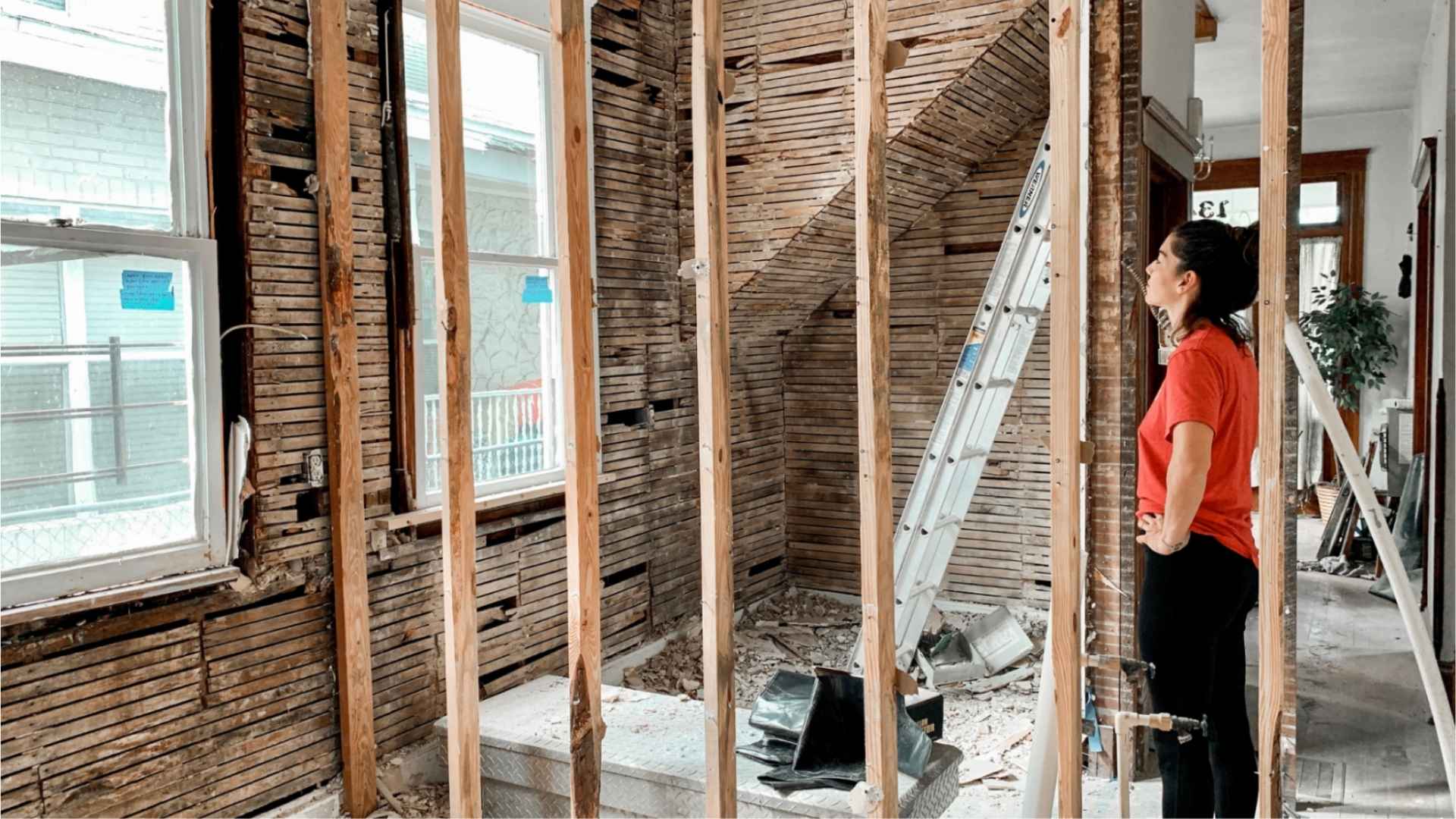
Commercial construction is stressful, and if you’ve been through it, you already know why. Timelines slip. Costs spiral. Designers and contractors stop talking to each other at precisely the wrong moment. Suddenly, you’re the one playing referee when you should be focused on your business.
Here’s the good news: it doesn’t have to work that way. Partnering with design build teams fundamentally rewires that experience, consolidating design, planning, and construction under one roof so your project moves faster, runs cleaner, and generates far fewer headaches.
What Design Build Teams Actually Do for Commercial Projects
Colorado Springs isn’t a slow-moving market. It’s a fast-growing city shaped by military infrastructure, tourism, and a local business economy that keeps demanding more commercial space. That kind of sustained growth creates real pressure on project delivery.
That’s why so many owners here are turning to Colorado Springs builders with deep expertise in the design-build method, a smarter alternative to fragmented, sequential project delivery. And the numbers back it up. According to a 2025 report, design-build projects deliver up to 102% faster on average, with 3.8% less cost growth than traditional delivery models.
What separates professional construction teams using this model isn’t just speed. It’s judgment. Every design decision gets filtered through real construction knowledge, which means fewer surprises once boots hit the ground.
Now that you understand why traditional approaches leave so many owners frustrated, let’s dig into exactly how design-build teams are changing the game.
Comprehensive Project Planning That Sets the Right Foundation
Every well-executed design-build project lives or dies in the planning phase. Before anyone touches a shovel, the right teams have already stress-tested the schedule, identified risks, and made sure everyone is working from the same playbook.
Kickoff and Stakeholder Alignment
In the early kickoff phase, owners, designers, and subcontractors all sit at the same table. Vision gets clarified. Constraints get named. Priorities get ranked. That early alignment alone eliminates the kind of guesswork that causes expensive rework three months down the road.
Finding Risk Before Risk Finds You
Traditional builds tend to discover problems mid-project, often at the worst possible moment. Professional design-build teams flip that script entirely. They identify potential risks during pre-construction, then build contingencies into the plan before anyone breaks ground.
That shift, from reactive firefighting to proactive planning, is genuinely one of the most underrated benefits of design-build delivery.
Running Design and Construction in Parallel, On Purpose
Once planning is locked in, design build teams do something traditional models simply can’t: they overlap the design and construction phases intentionally.
Overlapping Phases, Real-Time Savings
While one team finalizes structural drawings, another is already handling permitting and preparing the site. That’s not cutting corners, it’s cutting waste. The overlap is controlled, deliberate, and remarkably effective at compressing timelines without sacrificing quality.
Digital Tools That Keep Everyone Aligned
Building Information Modeling (BIM) and cloud-based project management platforms make real-time collaboration possible across every discipline. Iterative feedback loops mean decisions happen quickly, and they happen with the right information in hand, not outdated documents from three weeks ago.
This overlap isn’t just a scheduling trick. It’s a structural advantage that reshapes how commercial projects are owned and managed from start to finish.
The Real Benefits of the Design Build Model
Speed matters, but the benefits of design build extend far deeper than just timeline compression. They touch every dimension of the project experience.
One Team, One Contract, One Accountable Party
There’s no finger-pointing in a well-run design build project. One contract. One team. When something goes sideways, you’re not stuck in the middle of a blame exchange between your architect and your contractor. One party owns the outcome, period.
Budget Clarity That Lasts the Whole Project
Value engineering isn’t a one-time exercise here. It happens continuously. Transparent pricing and live cost tracking mean you always know where your money is going, no gut-punch surprises at contract closeout.
| Feature | Design Build | Design-Bid-Build |
| Contract structure | Single contract | Multiple contracts |
| Timeline | Faster, overlapping phases | Sequential, longer |
| Cost predictability | High | Moderate to low |
| Change orders | Fewer | More frequent |
| Communication | Centralized | Fragmented |
| Risk management | Proactive | Reactive |
Efficiency gains only mean something if the finished product holds up, which is exactly why accountability is baked into every phase of how professional teams operate.
Also Read:
- Bringing Down Costs in the Construction Industry
- 16 Types of Cement used in Construction Work
- Tips For Maintaining Safety On High-Rise Construction Sites
How Professional Construction Teams Build Accountability Into Every Phase
Quality isn’t accidental. It’s engineered. Professional construction teams build structured review cycles and clear communication into the process from day one.
Quality Checks That Never Stop Running
Regular site inspections, milestone reviews, and ongoing design verifications catch problems early, before they become expensive corrections. That’s not a nice-to-have. It’s the difference between a smooth project and a painful one.
Accountability Structures That Protect Your Investment
Design build teams operate with defined responsibility at every level. Owners receive consistent progress updates, milestone check-ins, and direct access to project leadership. No chasing. No wondering what’s happening on-site.
These frameworks become even more powerful when cutting-edge technology enters the picture.
Technology That Makes Design Build Teams More Effective
Today’s leading design build teams aren’t just building smarter processes, they’re building with smarter tools.
AI Design and Virtual Walkthroughs
AI-driven design tools let teams test configurations virtually before anything gets built physically. Owners can walk through a realistic model of their space early in the process, which dramatically reduces those expensive, late-stage change orders.
Prefabrication as a Competitive Advantage
Prefabricated components are produced off-site while foundation work continues on-site simultaneously. It’s one of the most powerful strategies for construction process simplification available today, reducing material waste and accelerating delivery.
Meanwhile, Colorado Springs builders are now using drone technology for site inspections, giving project managers real-time aerial visibility while ground-level construction continues without interruption.
Why Traditional Construction Models Keep Failing, And What Design Build Does Differently
The structural problems in traditional design-bid-build projects aren’t random. They’re baked into the model.
Sequential Timelines Create Sequential Problems
In conventional delivery, the design must be complete before construction can even bid. That sequencing creates gaps, and those gaps cost time, money, and momentum. Design build eliminates those gaps intentionally, by design.
A Higher Standard, Set Locally
Colorado Springs builders who have embraced this method have set a measurably higher bar for delivery speed, budget reliability, and owner satisfaction compared to what conventional approaches typically produce in this market.
Choosing the Right Design Build Partner
Not every team that claims design build experience has a mature, tested process behind that claim. Knowing what to look for is essential.
Credentials and Local Knowledge
Look for verifiable certifications, documented project histories, and genuine familiarity with local permitting requirements. In Colorado Springs specifically, local expertise isn’t optional, it’s a meaningful operational advantage.
Questions Worth Asking Before You Sign Anything
How do they manage subcontractor relationships? How are design changes handled mid-construction? What does their communication cadence look like? A strong partner answers these questions clearly, directly, and without hesitation.
Final Thoughts: Why Design Build Produces Better Projects and Better Ownership Experiences
Working with experienced design build teams isn’t just a smarter construction strategy; it’s a fundamentally better way to own a commercial project. From early planning through final delivery, the model removes friction, controls costs, and protects your investment at every turn.
Construction process simplification isn’t marketing language. It’s what actually happens when the right professionals are in the room from the start, designing, planning, and building as one integrated unit rather than three separate teams pointing fingers at each other.
If you’re planning a commercial project in Colorado Springs, the smartest move you can make right now is starting the conversation with a team that genuinely builds differently.
FAQs: Frequently Asked Questions
Yes. Design build consistently shows lower cost growth and fewer change orders than traditional delivery. Integrated planning and real-time cost tracking keep budgets in check from start to finish.
They address problems immediately rather than waiting for formal processes. Because design and construction lead work together, solutions get implemented quickly without derailing the broader schedule.
Local builders understand regional permitting, site conditions, and supplier relationships. That local knowledge reduces surprises and helps projects move through approval processes faster than out-of-area teams.
It removes the coordination burden from the owner. One team is responsible for everything: design, construction, and delivery, which means fewer meetings, fewer disputes, and clearer accountability.
Most experienced teams do. The model scales well because its core advantage, integrated delivery, applies regardless of project size or complexity.