
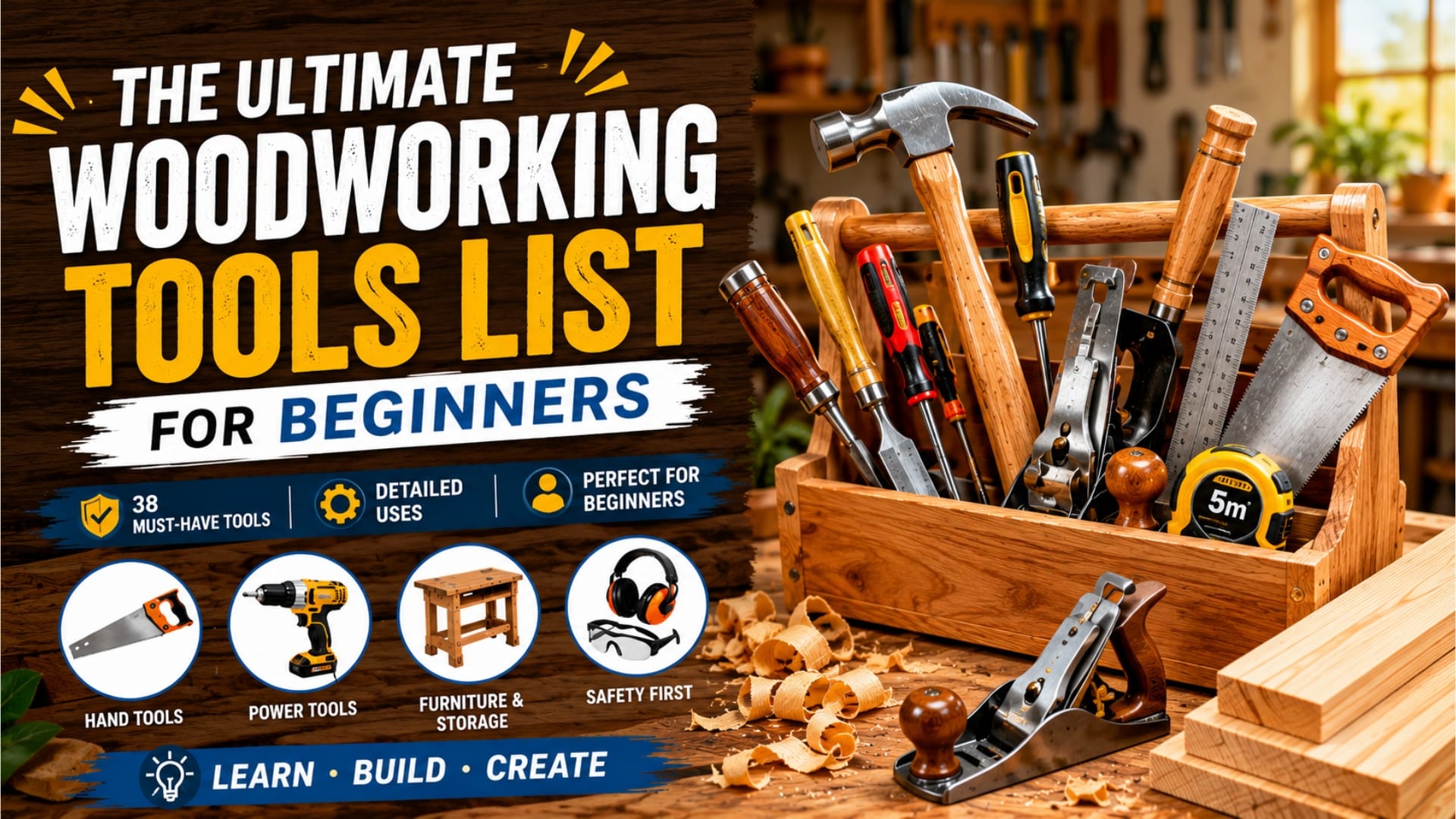
Woodworking is one of the most rewarding and practical hobbies you can start. Whether you want to build furniture, create DIY home décor, repair wooden items, or simply enjoy crafting with your hands, having the right tools makes the process easier and safer. However, beginners often feel confused by the huge number of woodworking tools available in the market.
The good news is that you do not need to buy everything at once. Starting with essential woodworking tools helps you learn basic woodworking techniques such as measuring, cutting, drilling, sanding, and joining wood accurately. From simple hand tools like hammers and chisels to power tools such as drills and saws, every tool has a specific purpose in woodworking.
In this guide, you will learn about the 38 essential woodworking tools for beginners, their uses, and why they matter. This list will help you confidently start your woodworking journey and choose the right tools for your workshop.
What Are Woodworking Tools?
Woodworking tools are devices or equipment used to cut, shape, measure, join, smooth, and finish wood materials. These tools help woodworkers create furniture, cabinets, decorative items, flooring, storage units, and custom wood projects.
Woodworking tools are generally divided into three categories:
- Hand tools – Used manually for measuring, cutting, shaping, and assembling wood.
- Power tools – Electrically operated tools that improve speed and precision.
- Furniture and storage equipment – Tools and support systems that help organize and improve workshop efficiency.
Hand Woodworking Tools List for Beginners
1. Claw Hammer

A claw hammer is one of the most basic woodworking tools. It is used to drive nails into wood and remove nails using the curved claw section.
Uses:
- Driving nails into wood
- Pulling out nails
- Light demolition work
2. Tape Measure
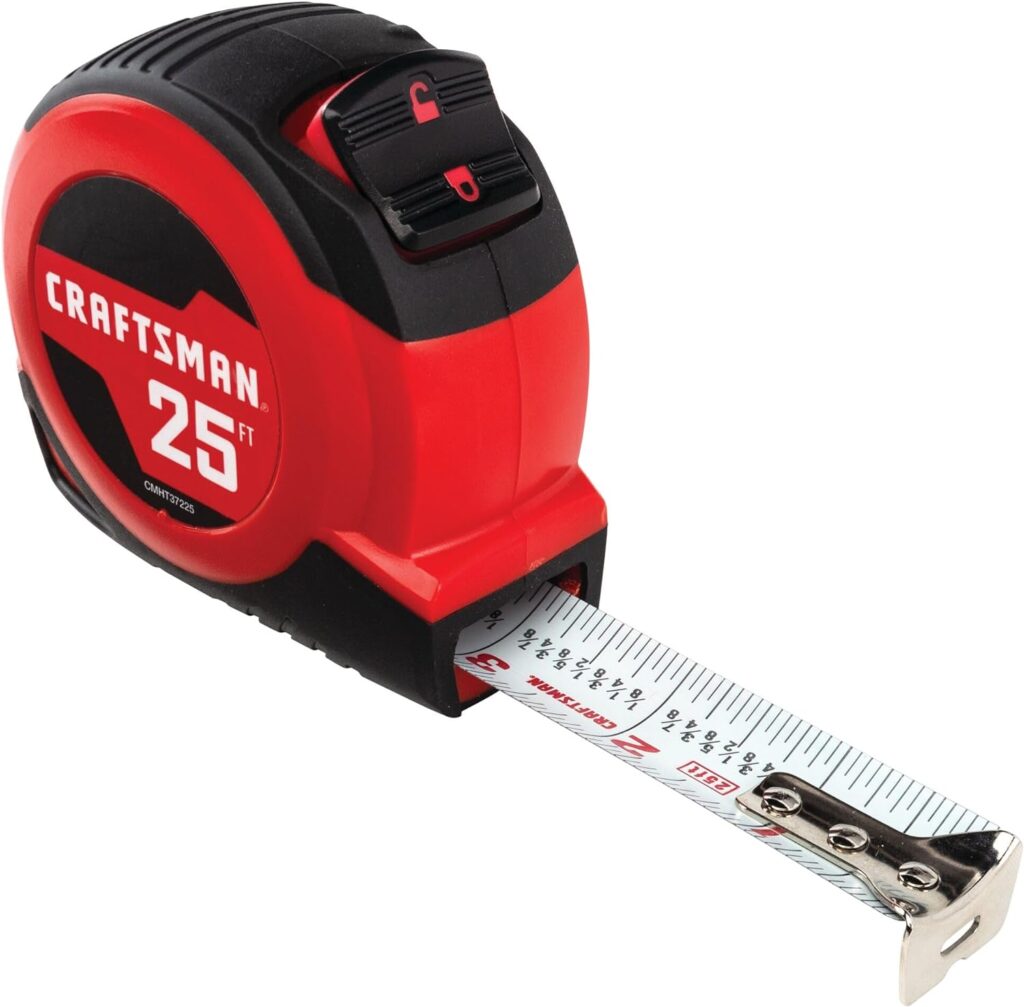
A tape measure helps in measuring dimensions accurately before cutting or assembling wood pieces.
Uses:
- Measuring wood length and width
- Marking dimensions
- Ensuring project accuracy
3. Chisel
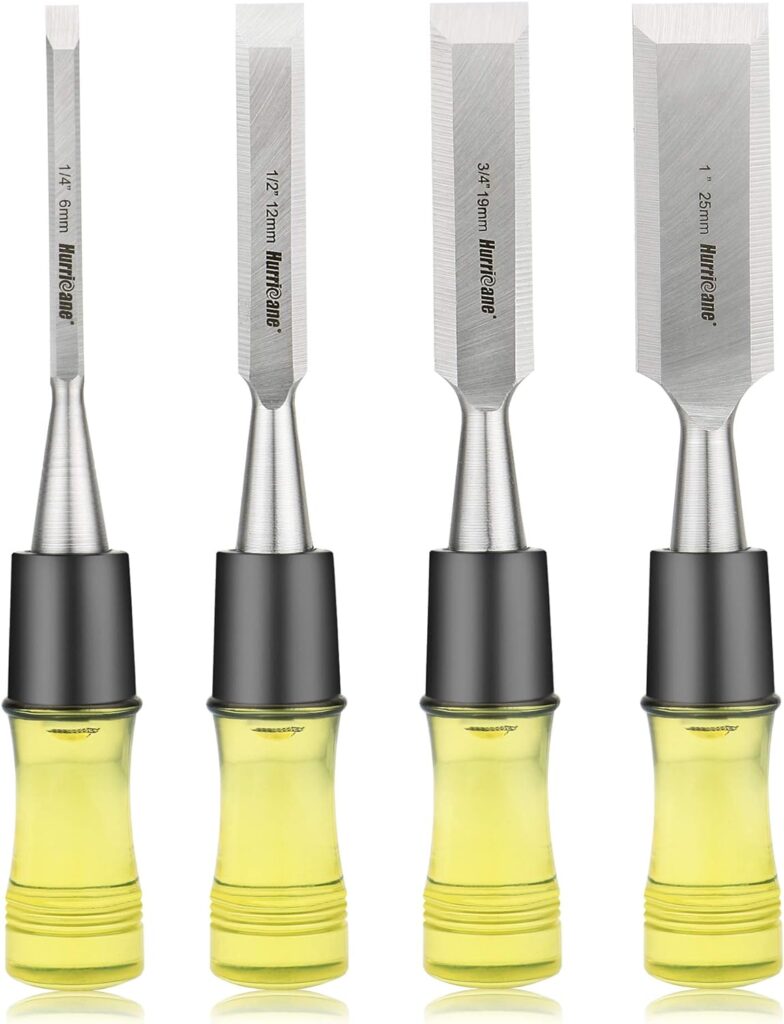
A chisel is used for carving, shaping, and cutting wood manually. It is commonly used for making joints and detailed woodwork.
Uses:
- Carving wood
- Cleaning joints
- Trimming excess material
4. Utility Knife

A utility knife is used to cut thin materials and mark wood surfaces.
Uses:
- Cutting thin sheets
- Marking wood lines
- Trimming edges
5. Moisture Meter
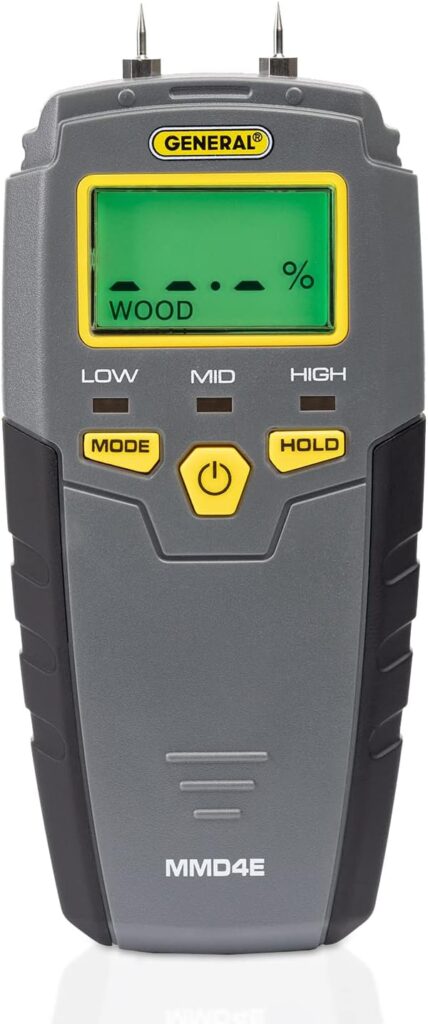
A moisture meter measures the moisture content inside wood to prevent cracking and warping.
Uses:
- Checking wood dryness
- Preventing wood damage
- Improving project quality
6. Level
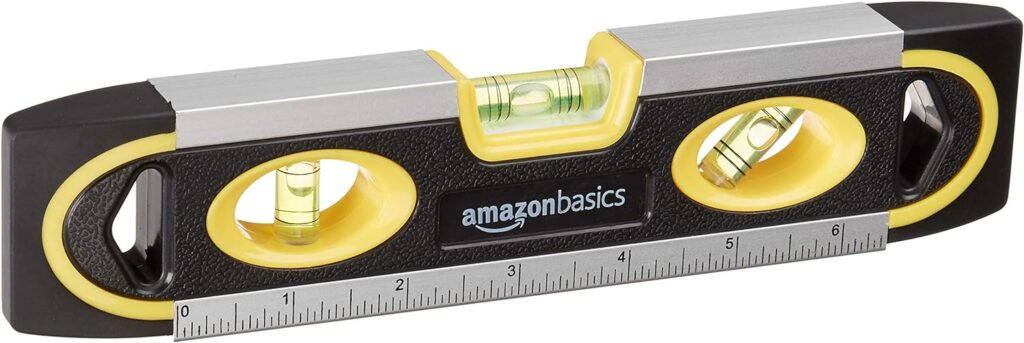
A level ensures surfaces remain straight and balanced during woodworking projects.
Uses:
- Checking alignment
- Ensuring level surfaces
- Improving precision
7. Screwdriver Set
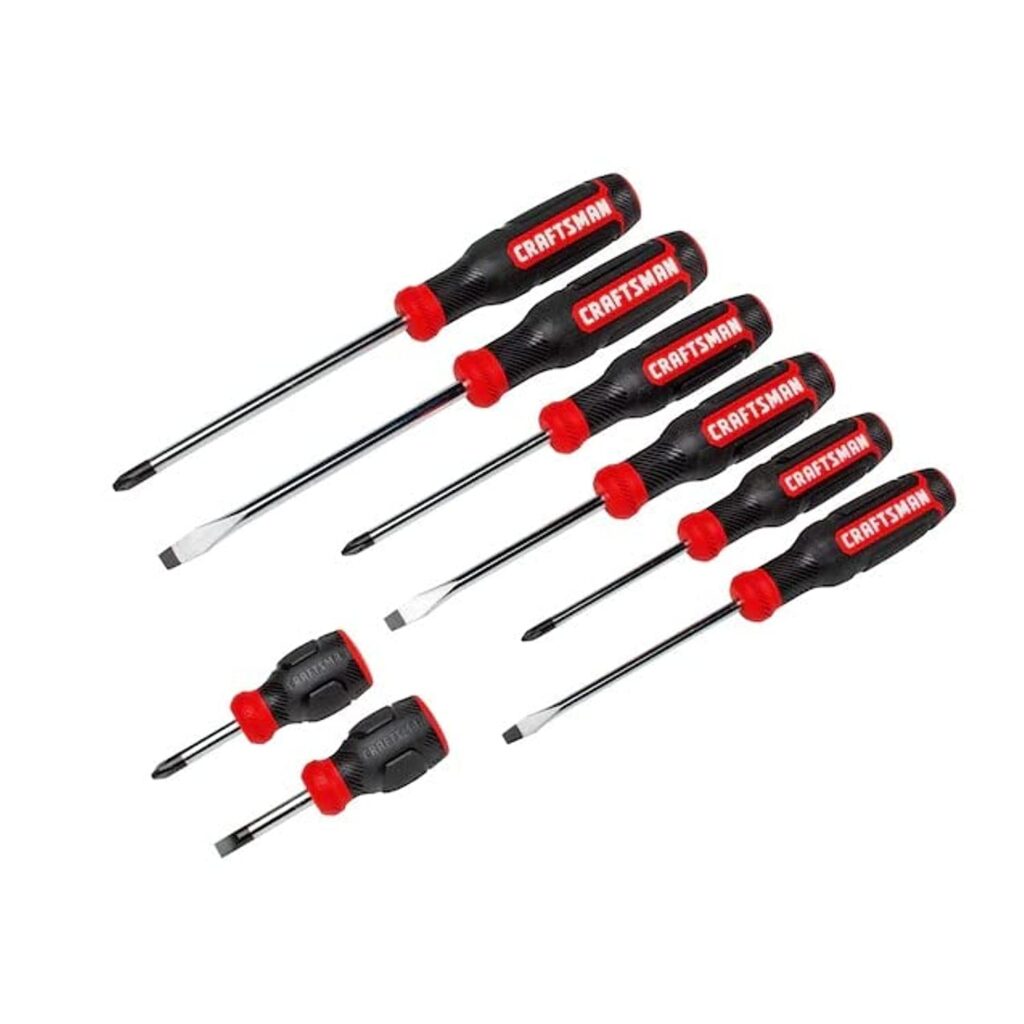
A screwdriver set helps tighten or loosen screws used in wood assemblies.
Uses:
- Tightening screws
- Removing screws
- Furniture assembly
8. Nail Set
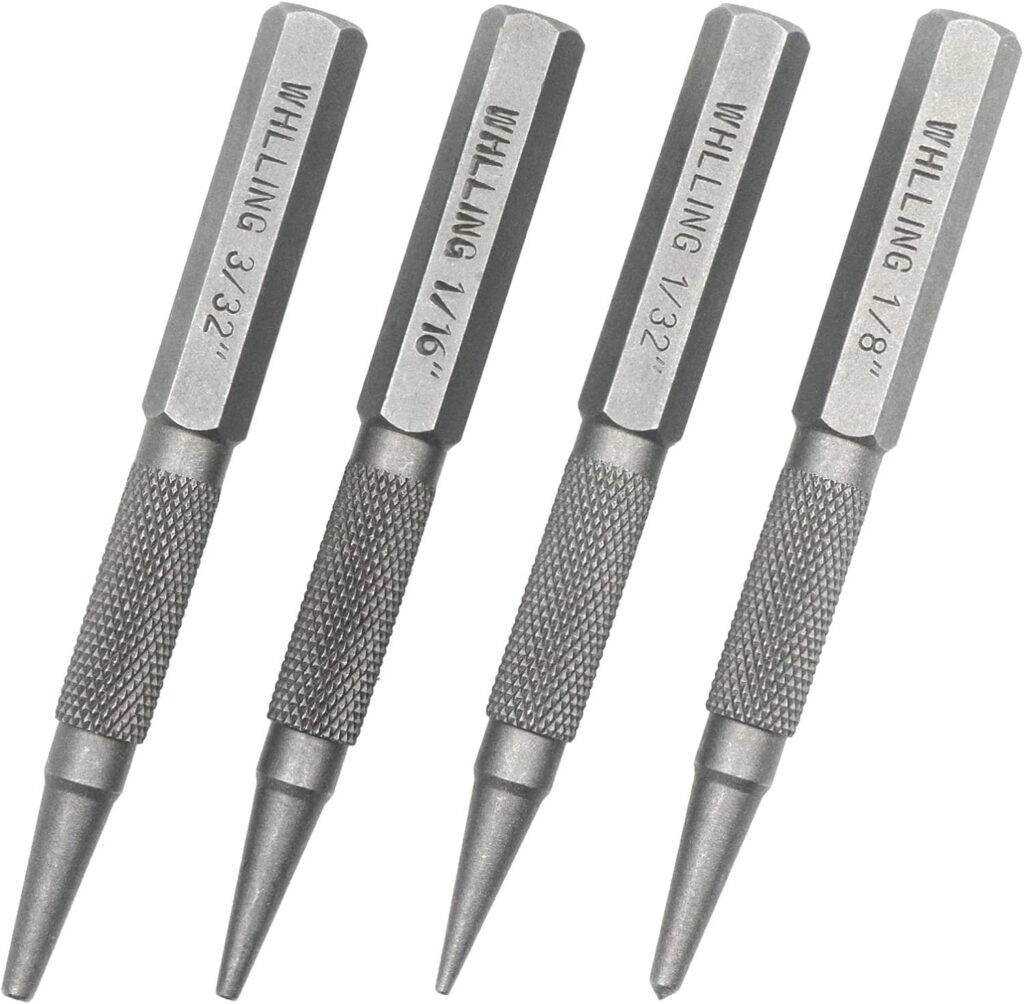
A nail set is used to drive nail heads below the wood surface for a cleaner finish.
Uses:
- Countersinking nails
- Improving finish quality
- Preventing surface damage
9. Layout Square
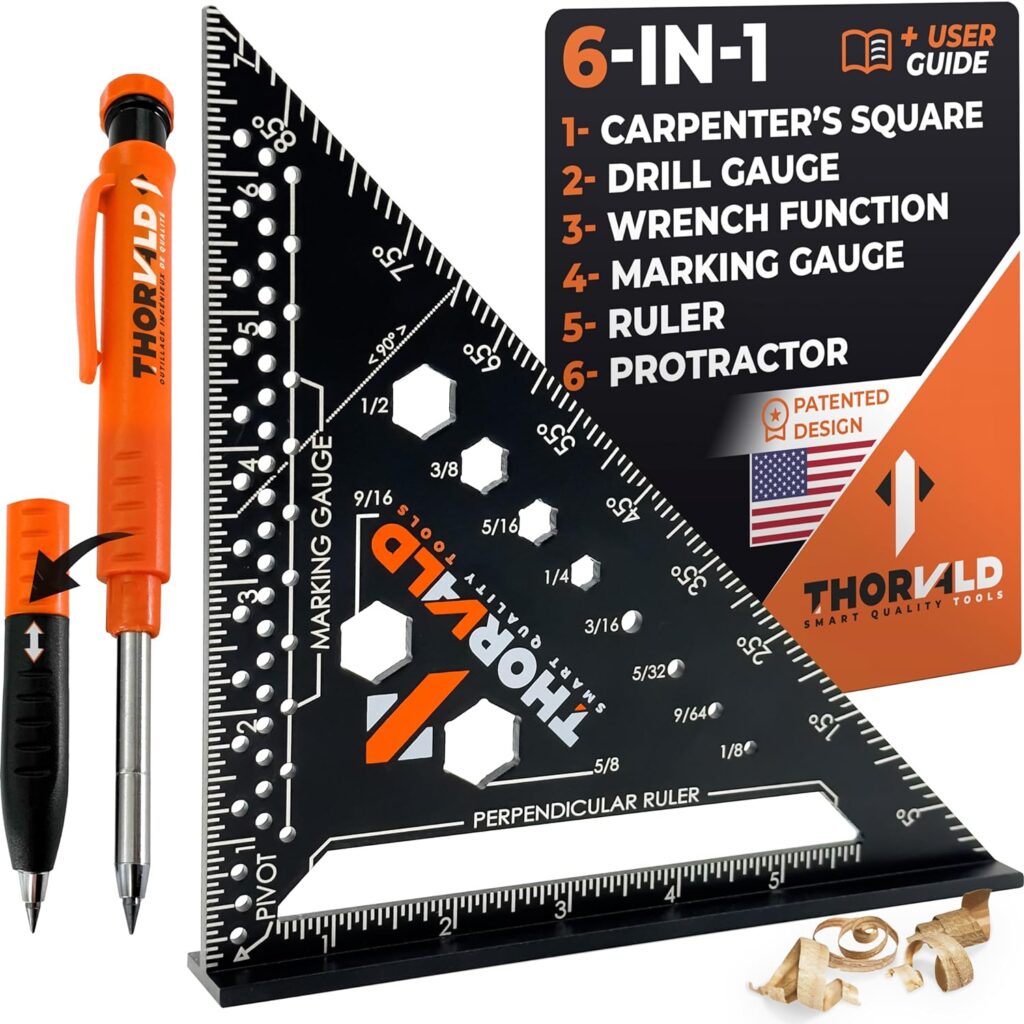
A layout square helps mark 90-degree angles and straight cutting lines.
Uses:
- Marking right angles
- Checking straight edges
- Improving cut accuracy
Also Read:
- 15 Must-Have Garden Tools Names and Uses with Pictures
- 21 Must-Have Tools For Home
- Top 5 Best Cordless Screwdriver (Buying Guide)
10. Sliding Bevel
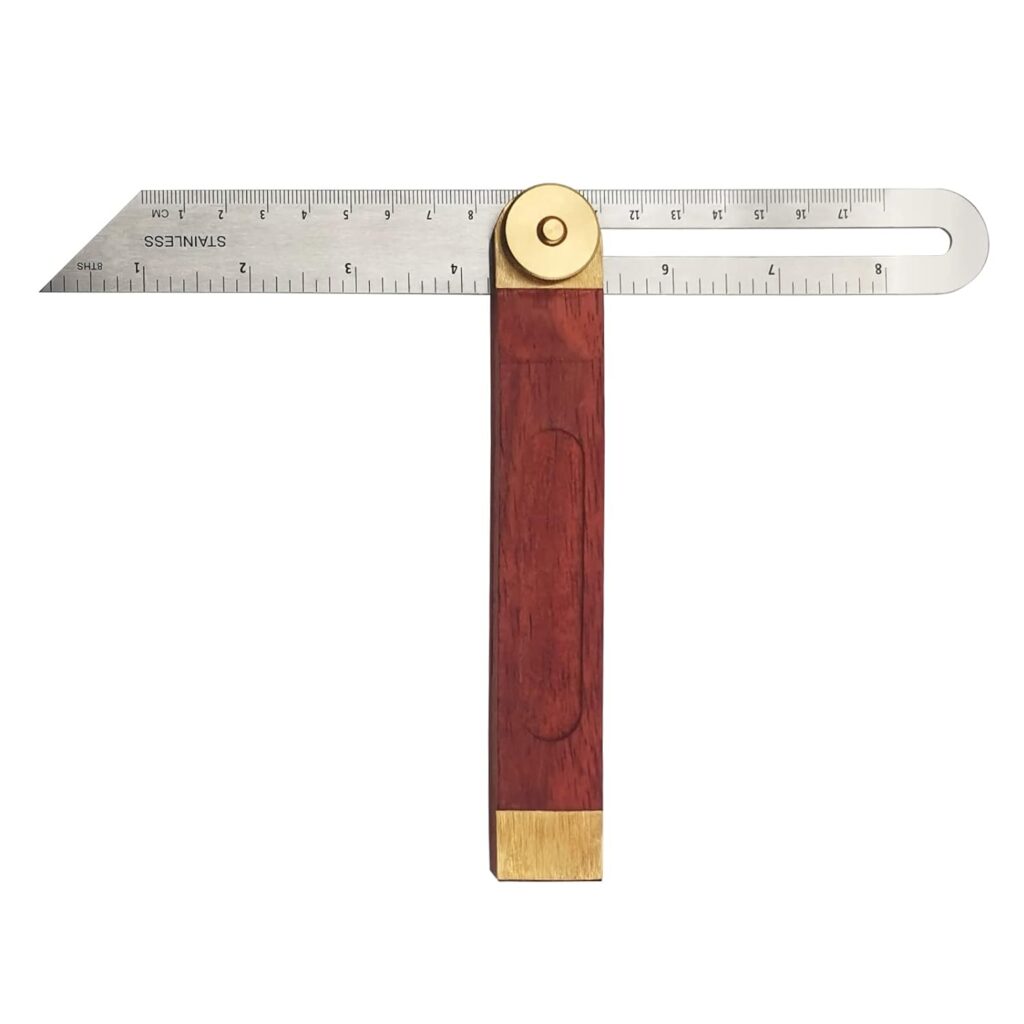
A sliding bevel is used to measure and transfer angles in woodworking.
Uses:
- Marking angles
- Replicating cuts
- Precision layout work
11. Hand Plane
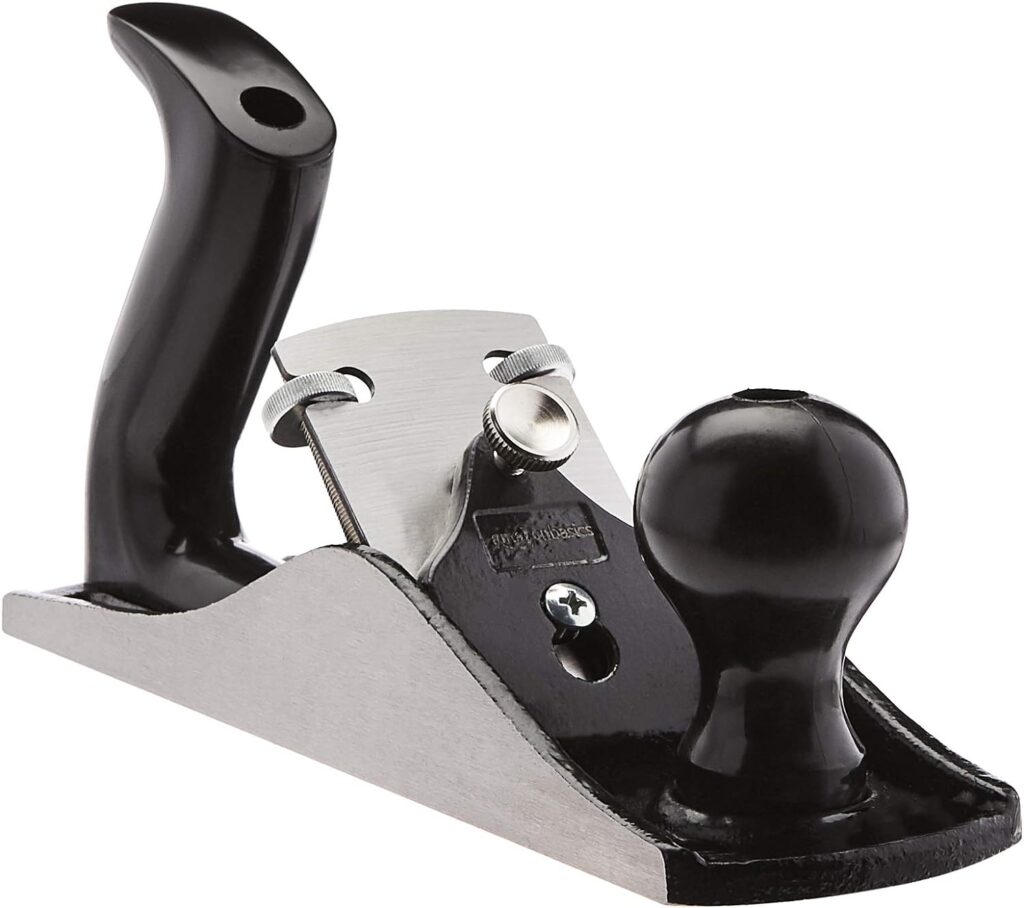
A hand plane smooths rough wood surfaces and trims edges for better fitting.
Uses:
- Smoothing surfaces
- Shaping edges
- Trimming doors and windows
12. Caliper
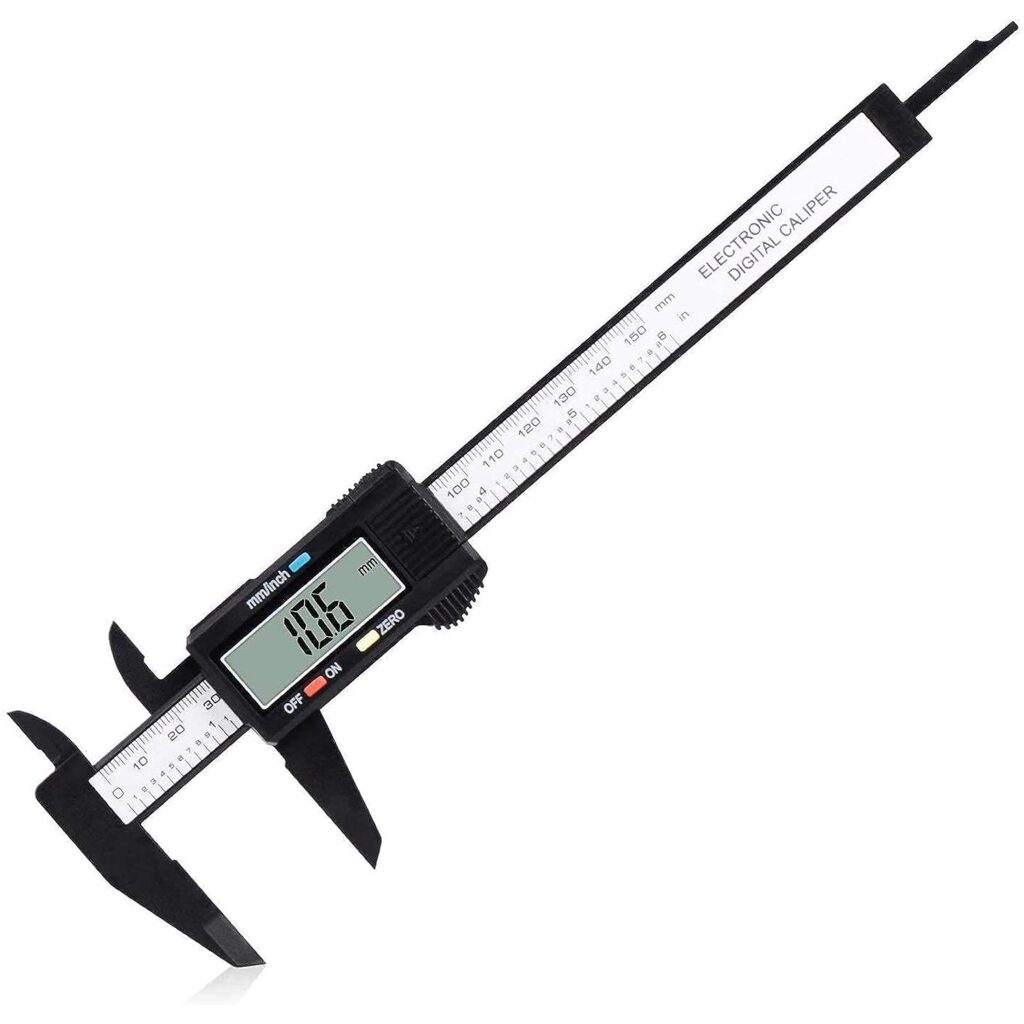
A caliper measures inside, outside, and depth dimensions accurately.
Uses:
- Measuring holes
- Measuring thickness
- Precision woodworking
13. Clamps
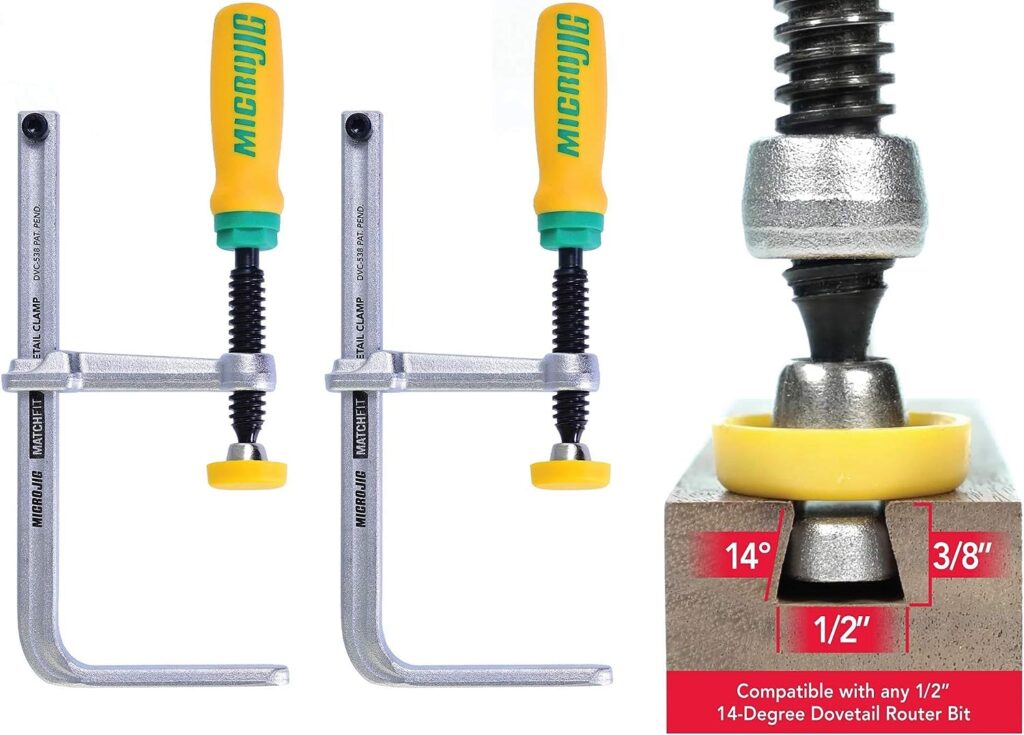
Clamps hold wooden pieces securely during cutting, drilling, or gluing.
Uses:
- Holding materials firmly
- Preventing movement
- Supporting glue-ups
14. Jigs
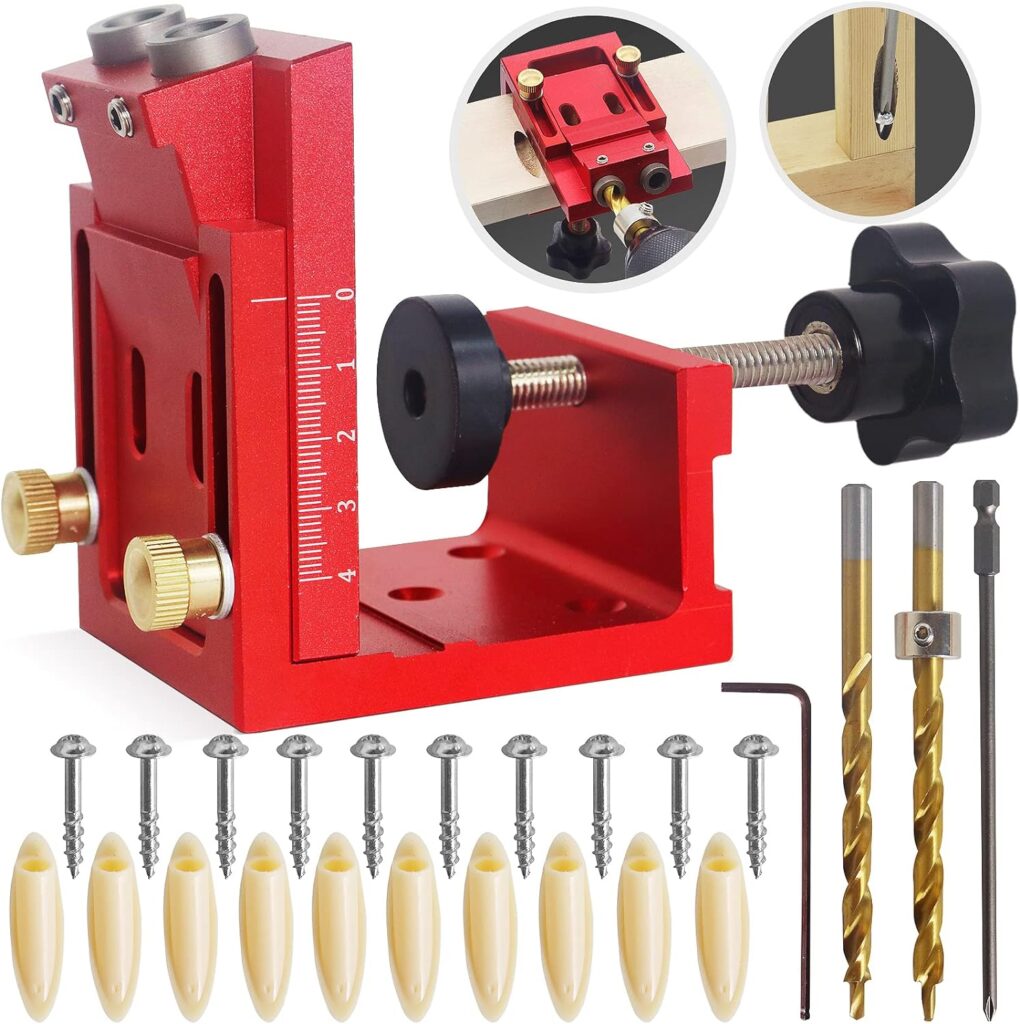
Jigs guide tools for precise and repeatable woodworking cuts.
Uses:
- Improving cut accuracy
- Guiding saws
- Making repeat cuts
15. Hand Saw
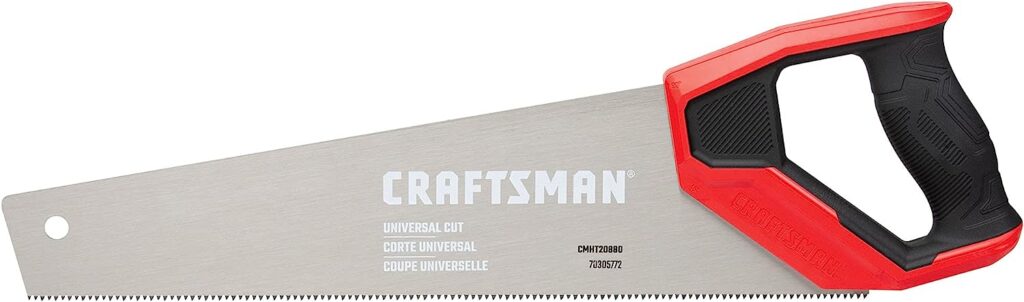
A hand saw is used for manually cutting wood.
Uses:
- Cutting logs
- Trimming boards
- DIY woodworking
16. Feather Board
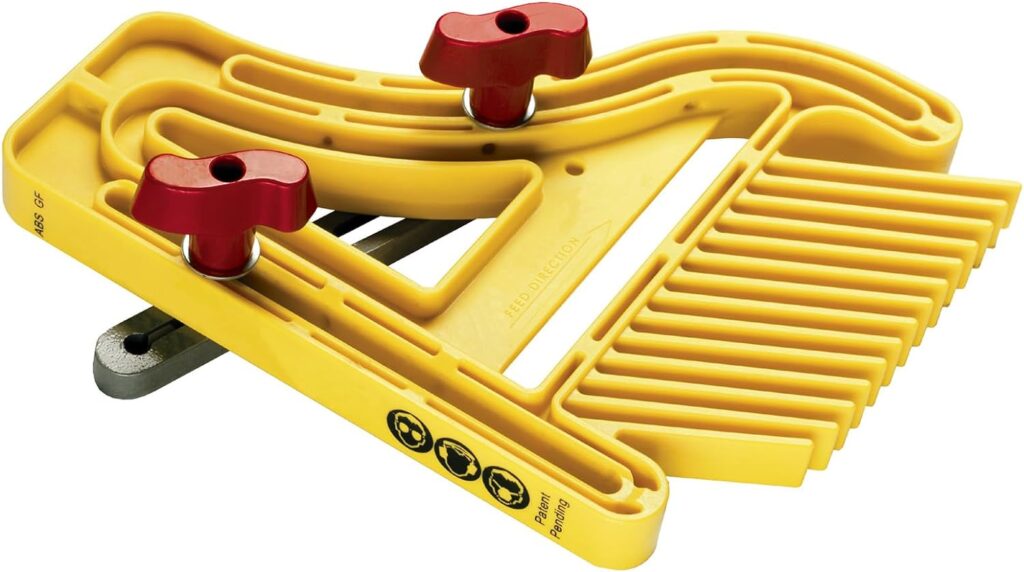
A feather board applies pressure to the workpiece and improves cutting safety.
Uses:
- Preventing kickback
- Stabilizing wood
- Improving accuracy
17. Metal Detector
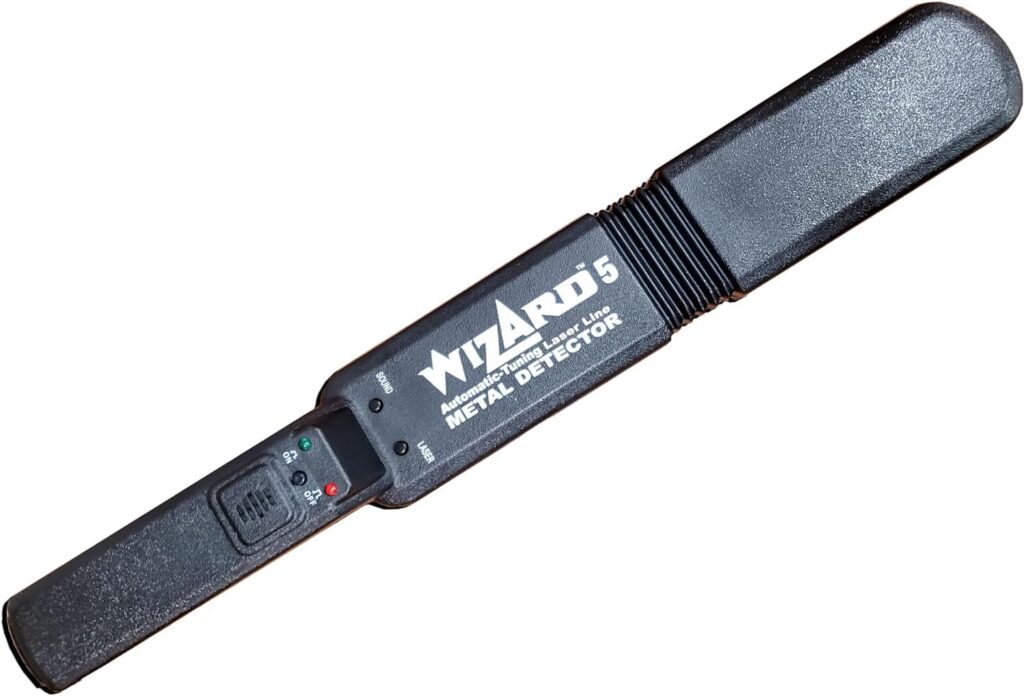
A metal detector finds hidden screws or nails inside wood before cutting.
Uses:
- Detecting nails
- Preventing blade damage
- Improving safety
Furniture and Storage Tools
18. Workbench
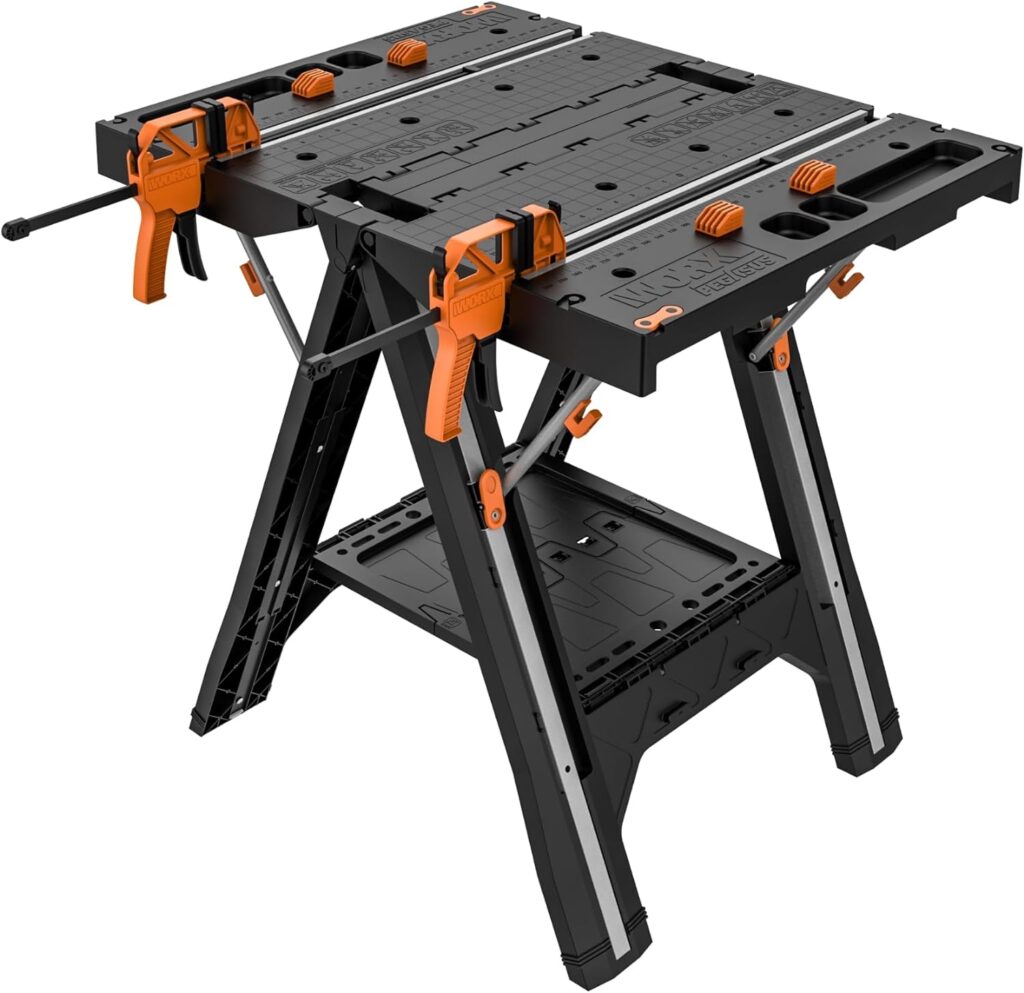
A workbench provides a stable platform for woodworking projects.
Uses:
- Supporting tools
- Holding materials
- Safe woodworking
19. Tool Storage System
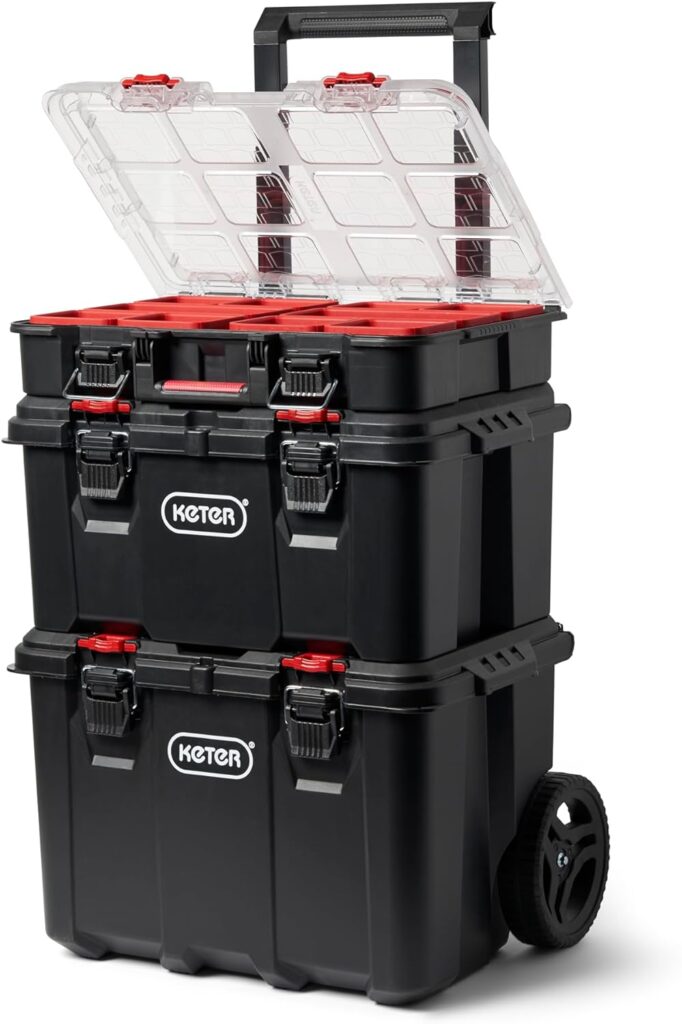
A storage system helps organize tools properly.
Uses:
- Tool organization
- Easy accessibility
- Workshop management
20. Saw Horse
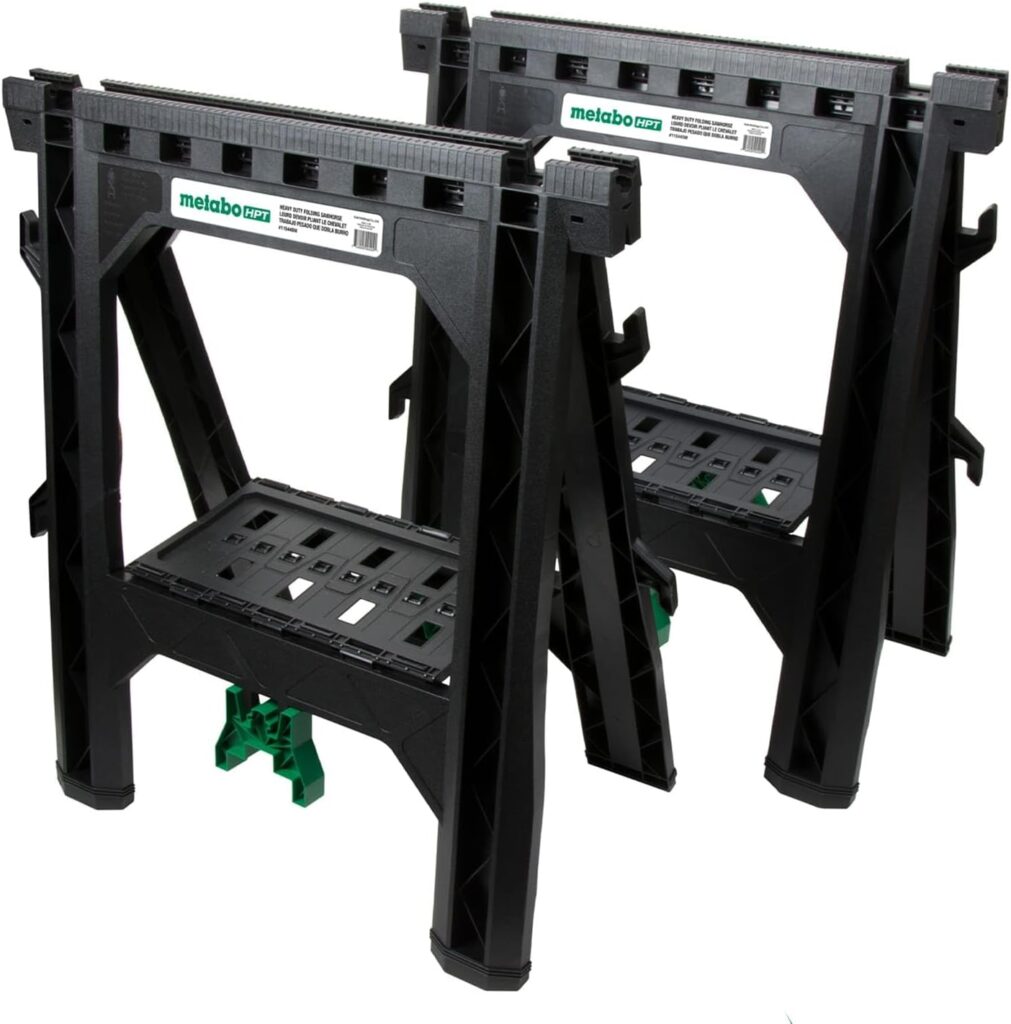
A saw horse supports wood planks during cutting.
Uses:
- Supporting long boards
- Safer cutting
- Workshop assistance
Power Tools for Woodworking
21. Shop-Vac
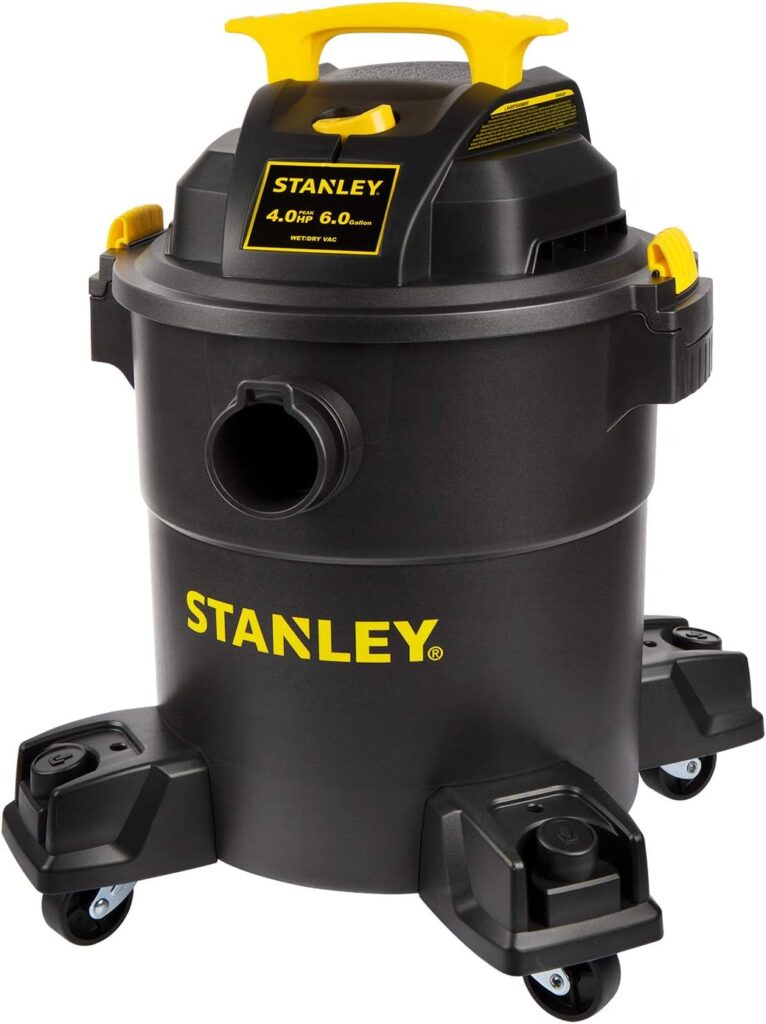
A shop vacuum keeps the workspace clean by removing dust and debris.
Uses:
- Dust removal
- Workshop cleaning
- Safety improvement
22. Bench Grinder

A bench grinder sharpens tools and smooths surfaces.
Uses:
- Sharpening blades
- Removing rust
- Surface polishing
23. Circular Saw
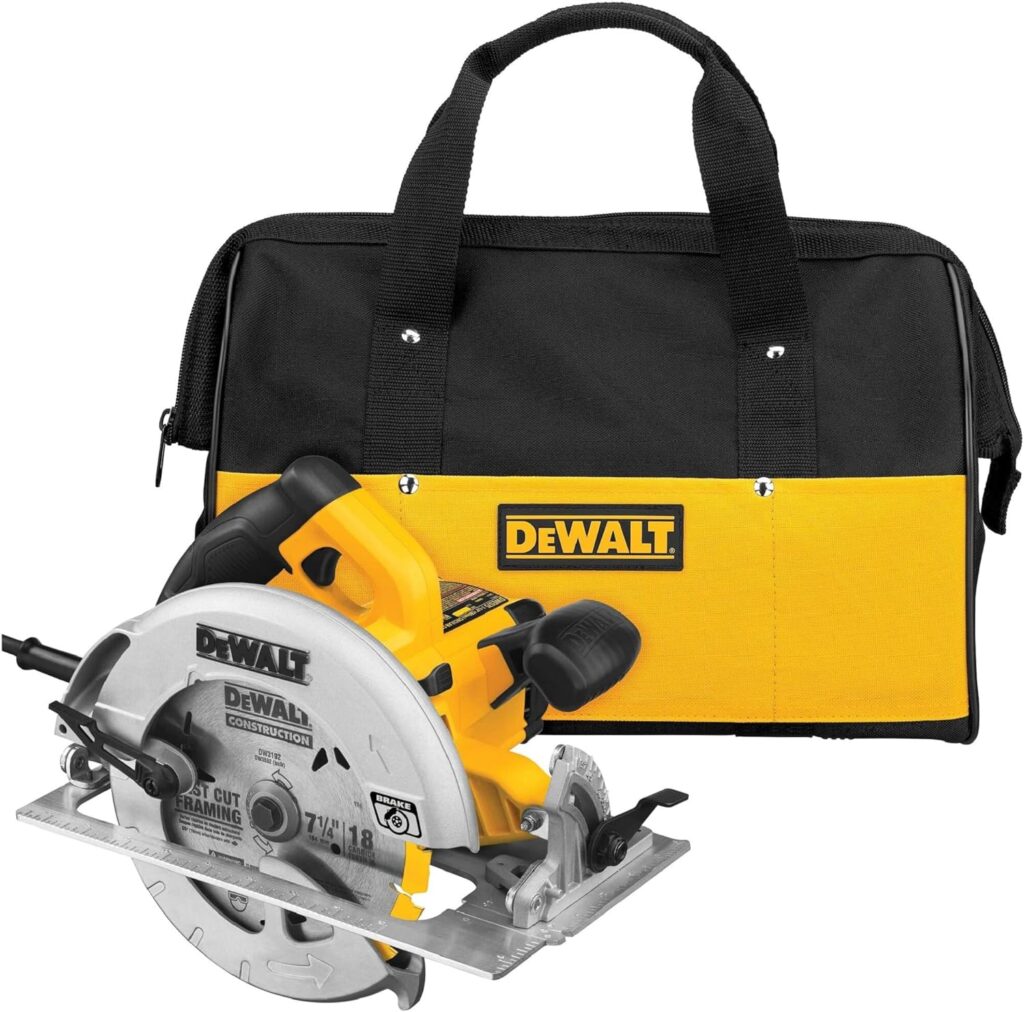
A circular saw cuts wood quickly and accurately.
Uses:
- Straight cutting
- Crosscuts
- Sheet cutting
24. Power Drill
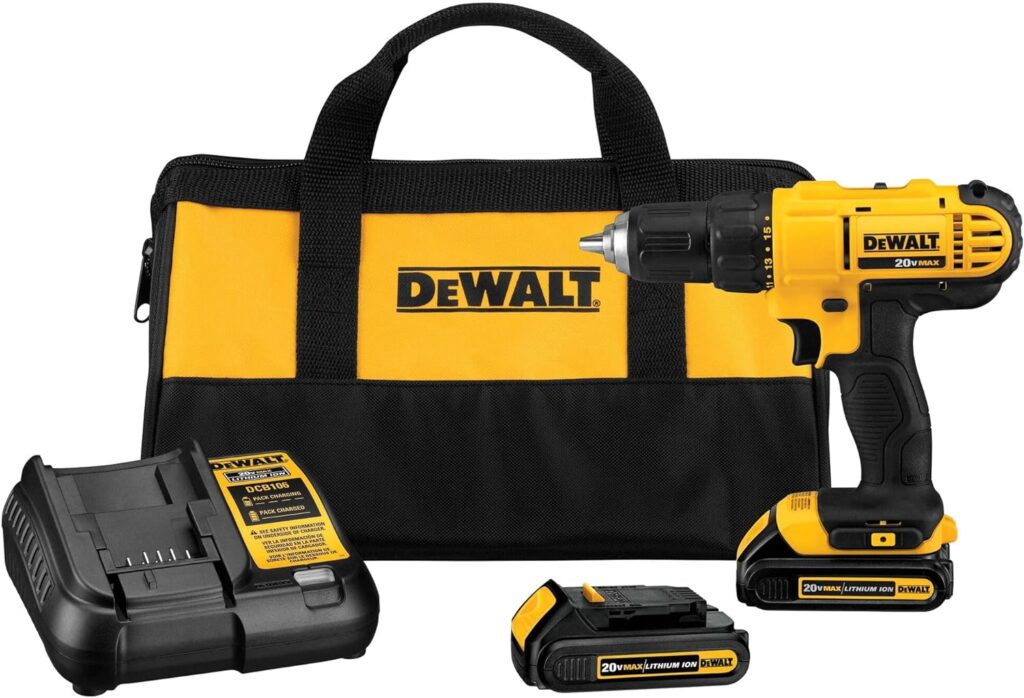
A power drill makes holes in wood and drives screws.
Uses:
- Drilling holes
- Driving screws
- DIY projects
25. Sabre Saw (Jigsaw)

A sabre saw makes curved and angled cuts.
Uses:
- Curved cuts
- Pattern cutting
- Detail work
26. Palm Sander
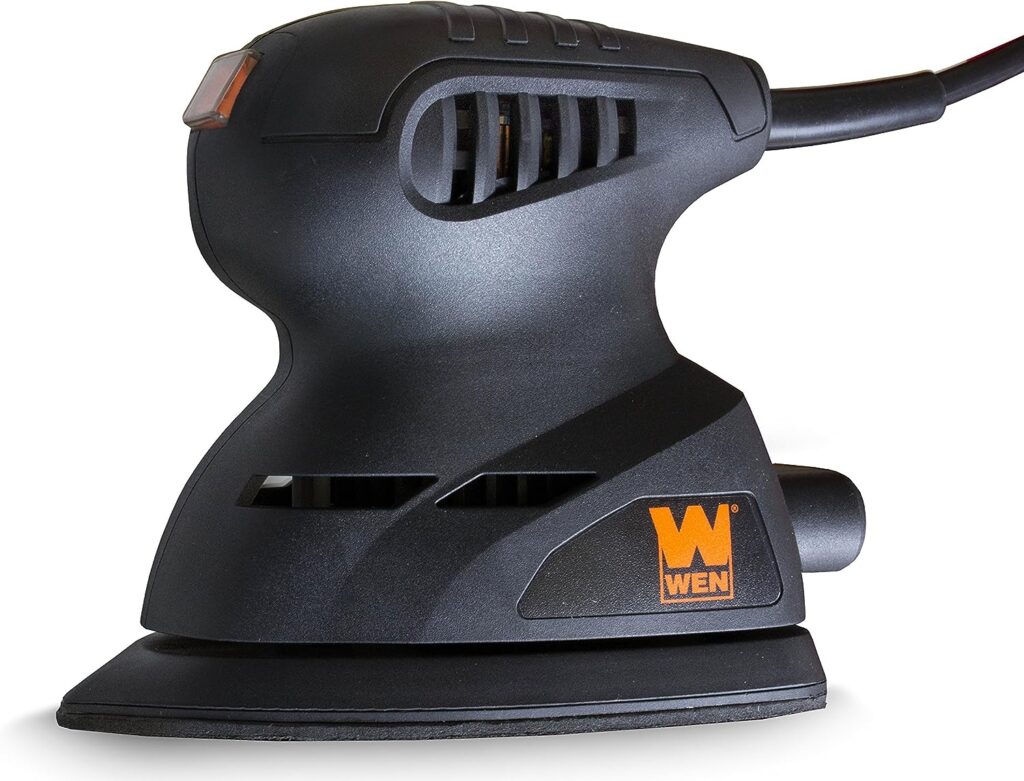
A palm sander smooths rough wooden surfaces.
Uses:
- Surface finishing
- Paint removal
- Edge smoothing
27. Random Orbital Sander

A random orbital sander provides a smoother finish without visible scratch patterns.
Uses:
- Fine finishing
- Surface preparation
- Smoothing wood
28. Table Saw
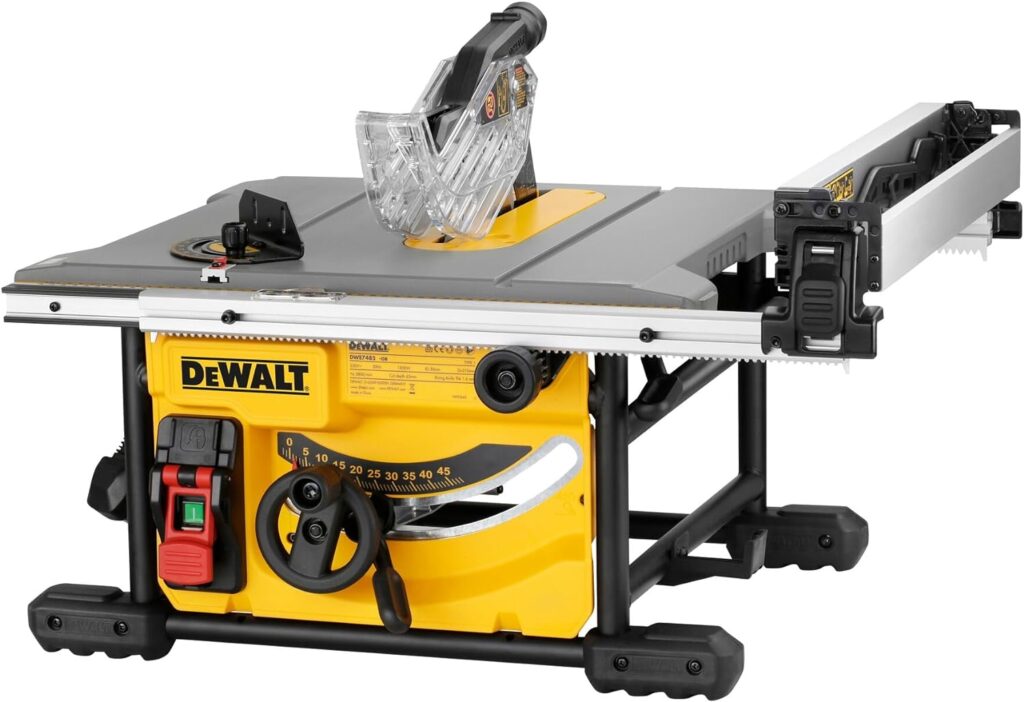
A table saw cuts large wooden sheets and boards accurately.
Uses:
- Rip cuts
- Straight cuts
- Precision woodworking
29. Rip Fence
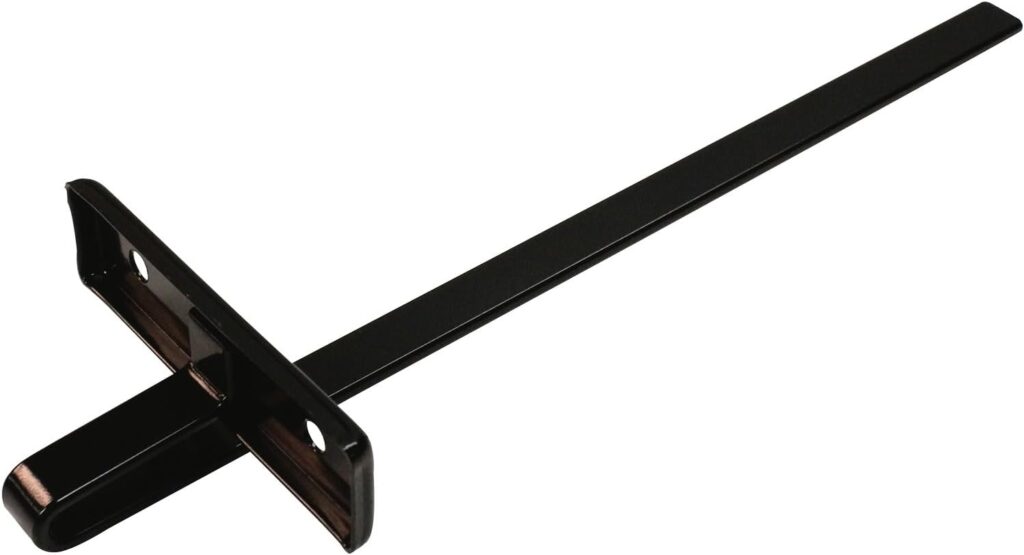
A rip fence guides wood for straight and consistent cuts.
Uses:
- Straight cutting
- Alignment support
- Improving accuracy
30. Miter Gauge
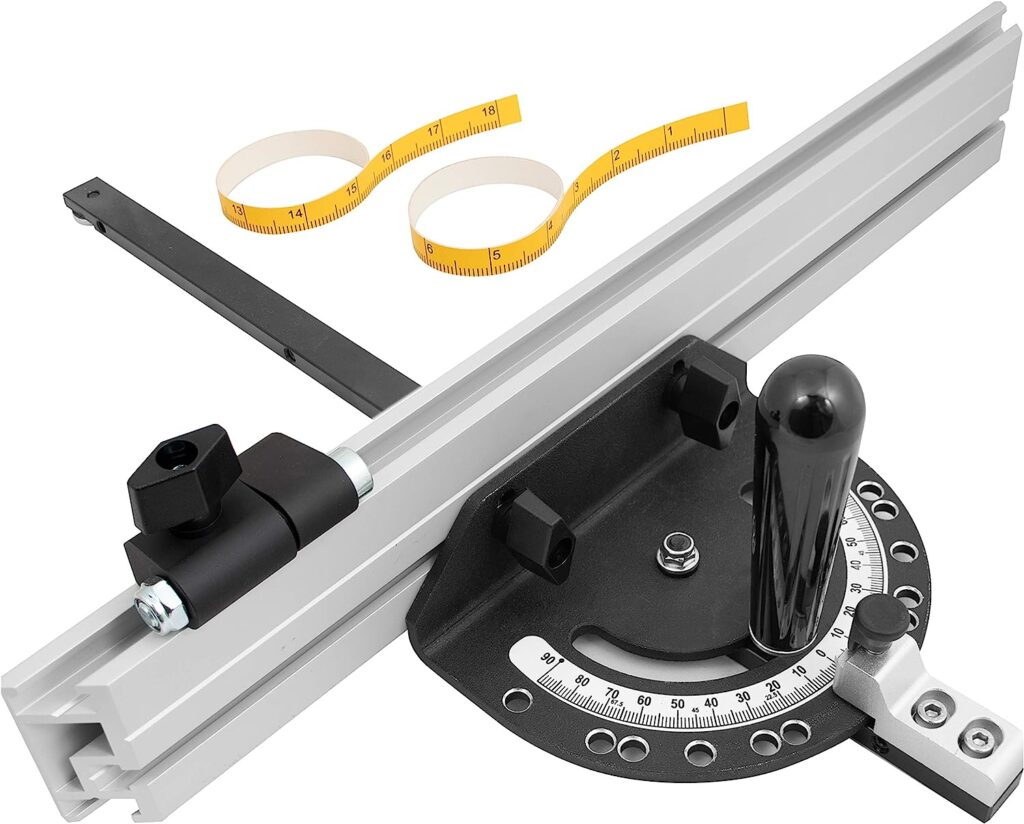
A miter gauge helps cut wood at specific angles.
Uses:
- Angle cutting
- Crosscuts
- Precision work
31. Compound Miter Saw
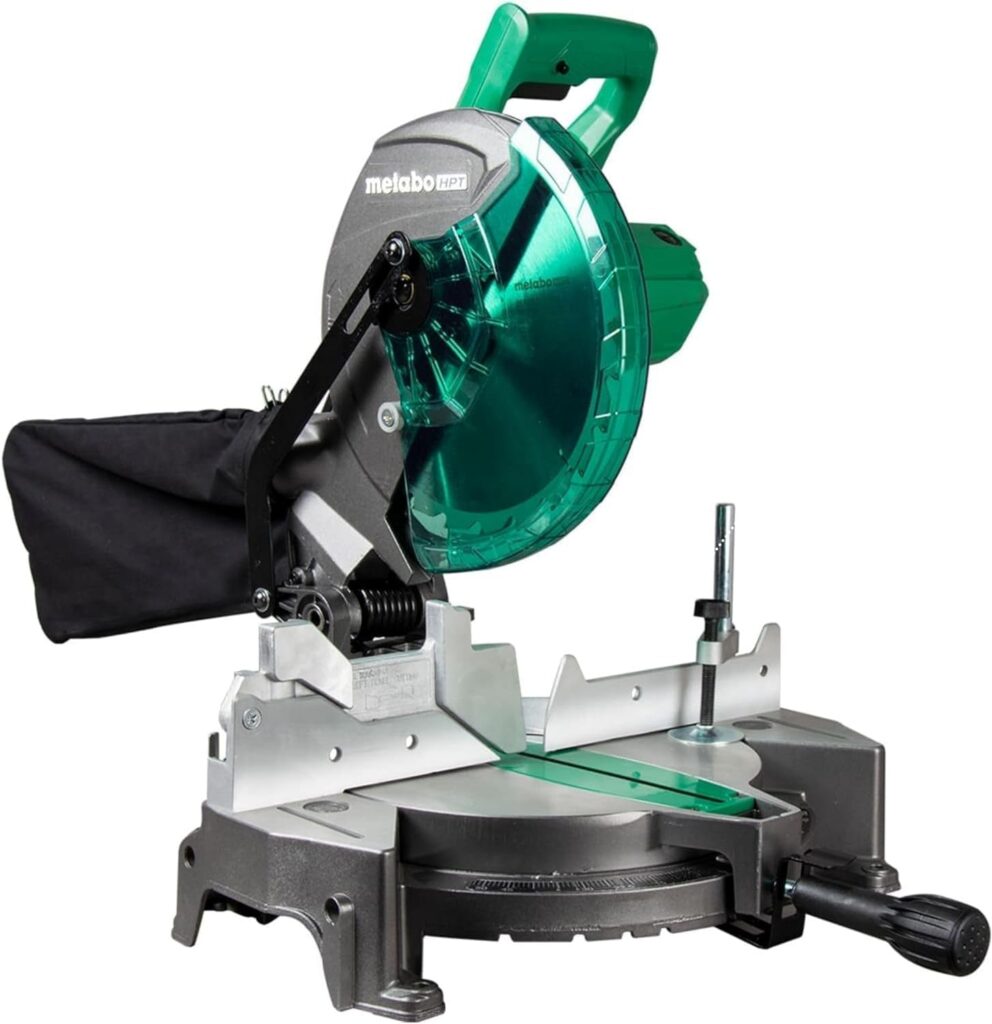
A compound miter saw cuts wood at different angles and bevels.
Uses:
- Angle cuts
- Trim work
- Framing projects
32. Router
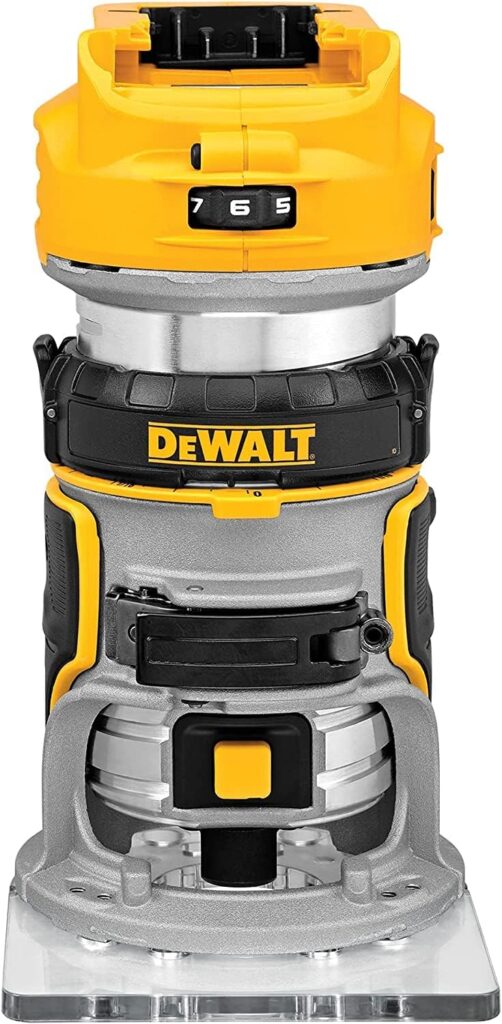
A router creates decorative edges and grooves.
Uses:
- Edge shaping
- Decorative cuts
- Groove cutting
33. Band Saw
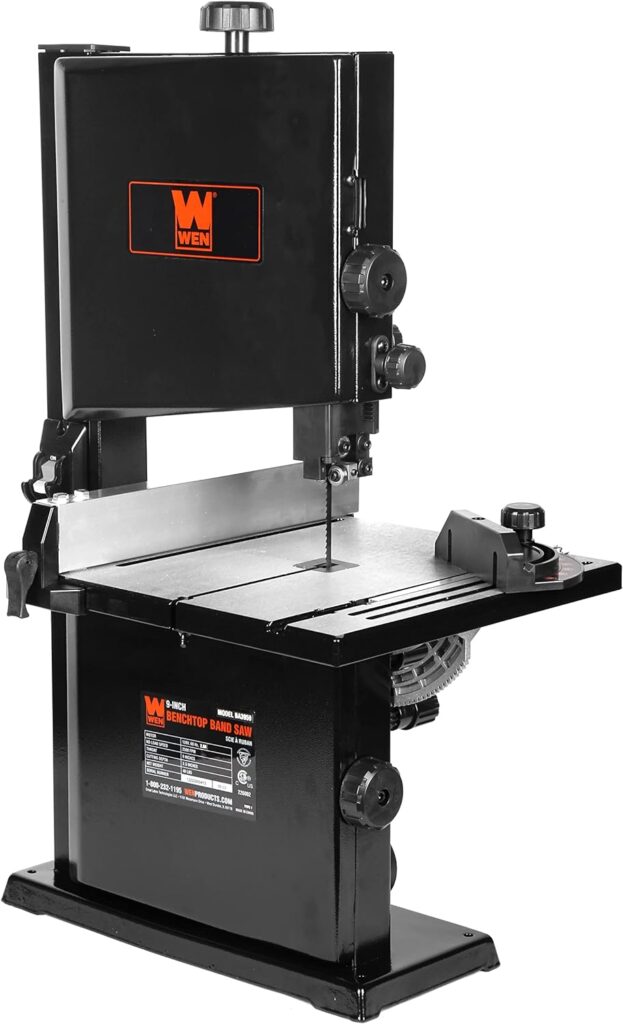
A band saw cuts curves and irregular shapes in wood.
Uses:
- Curved cutting
- Resawing wood
- Intricate designs
34. Radial Arm Saw
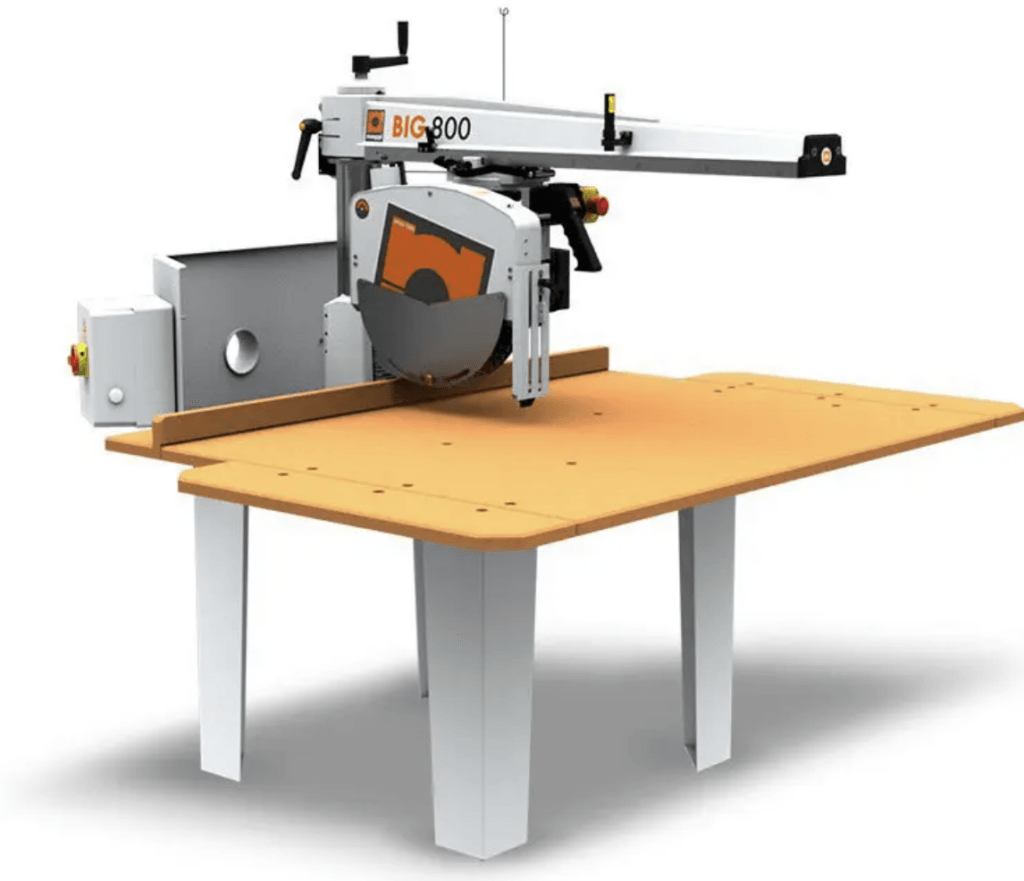
A radial arm saw performs crosscuts and angle cuts.
Uses:
- Crosscutting
- Angle cutting
- Repetitive cuts
35. Drill Press
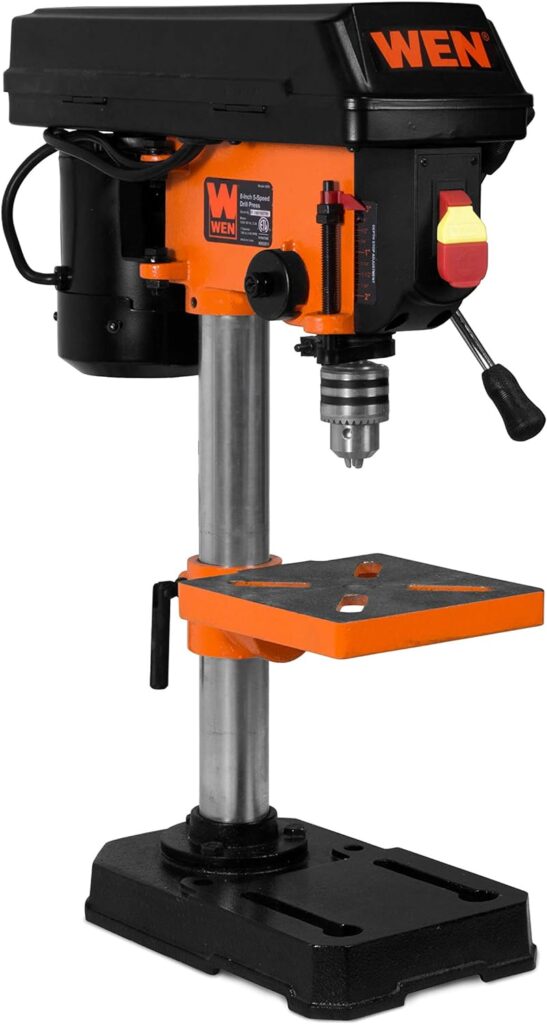
A drill press creates highly accurate holes.
Uses:
- Precision drilling
- Repetitive hole making
- Workshop projects
36. Surface Planer
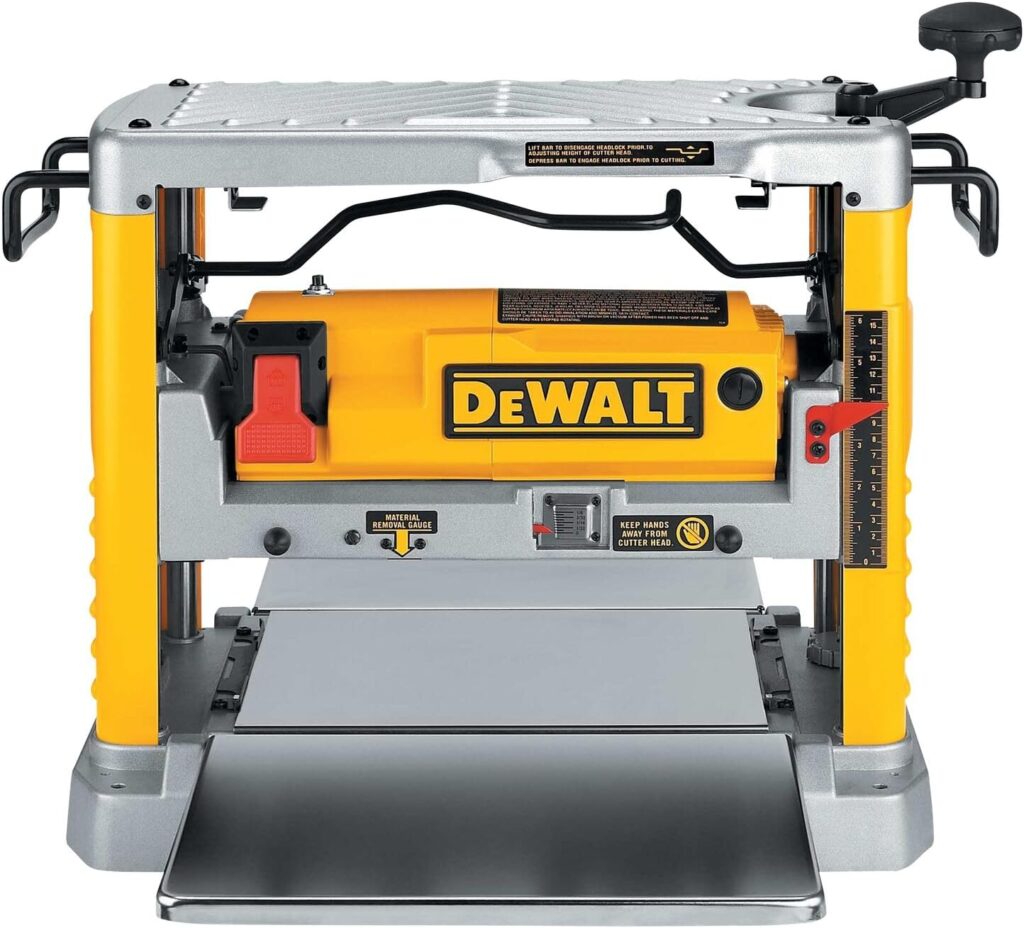
A surface planer smooths rough wood into flat surfaces.
Uses:
- Surface flattening
- Thickness adjustment
- Wood preparation
37. Jointer
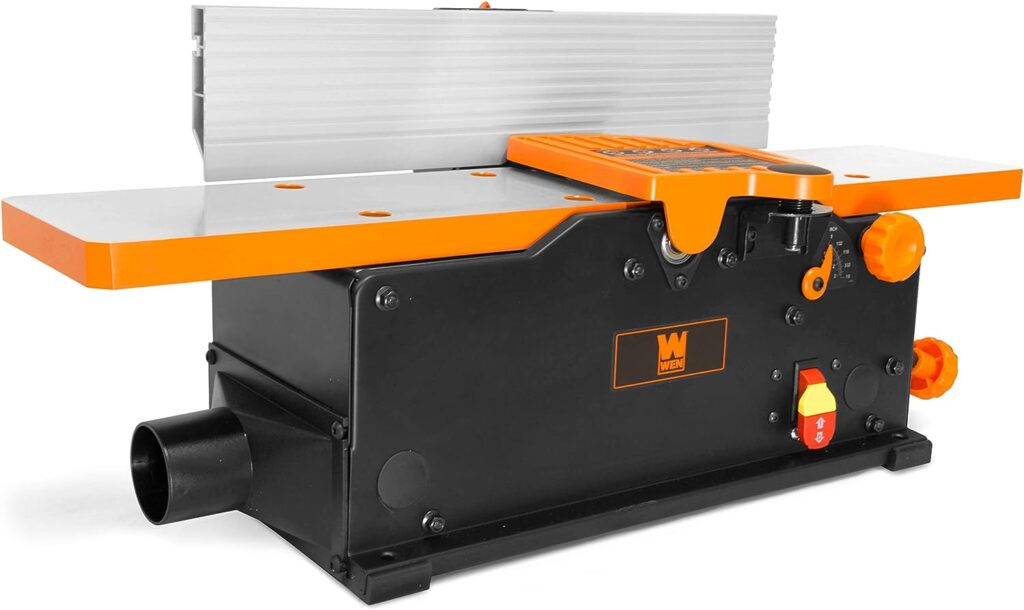
A jointer creates smooth and straight wood edges.
Uses:
- Straightening edges
- Joint preparation
- Better fitting
38. Wood Lathe
A wood lathe rotates wood for shaping round objects.
Uses:
- Making bowls
- Furniture legs
- Decorative woodworking
How to Choose Woodworking Tools as a Beginner
When buying woodworking tools, focus on quality and practicality instead of buying everything at once.
Here are some tips:
- Start with Basic Hand Tools: Buy measuring, cutting, and fastening tools first.
- Invest in Safety Equipment: Always use gloves, eye protection, ear protection, and dust masks.
- Buy Quality Over Quantity: Durable tools last longer and improve woodworking accuracy.
- Add Power Tools Gradually: Start with a drill, circular saw, and sander before investing in expensive machines.
Safety Tips for Beginner Woodworkers
- Always wear safety goggles.
- Keep blades sharp and clean.
- Never work with damaged tools.
- Secure wood properly before cutting.
- Maintain a clean workshop to avoid accidents.
Conclusion
Starting woodworking becomes much easier when you understand which tools are essential and how they are used. From basic hand tools like hammers, chisels, and tape measures to advanced power tools such as drills, saws, and sanders, each tool plays an important role in improving accuracy and efficiency.
As a beginner, you do not need to purchase every tool immediately. Begin with essential woodworking tools, learn proper safety practices, and gradually expand your workshop as your skills improve. With the right tools and patience, you can confidently build furniture, home décor, repairs, and many rewarding DIY woodworking projects.
Image Source