
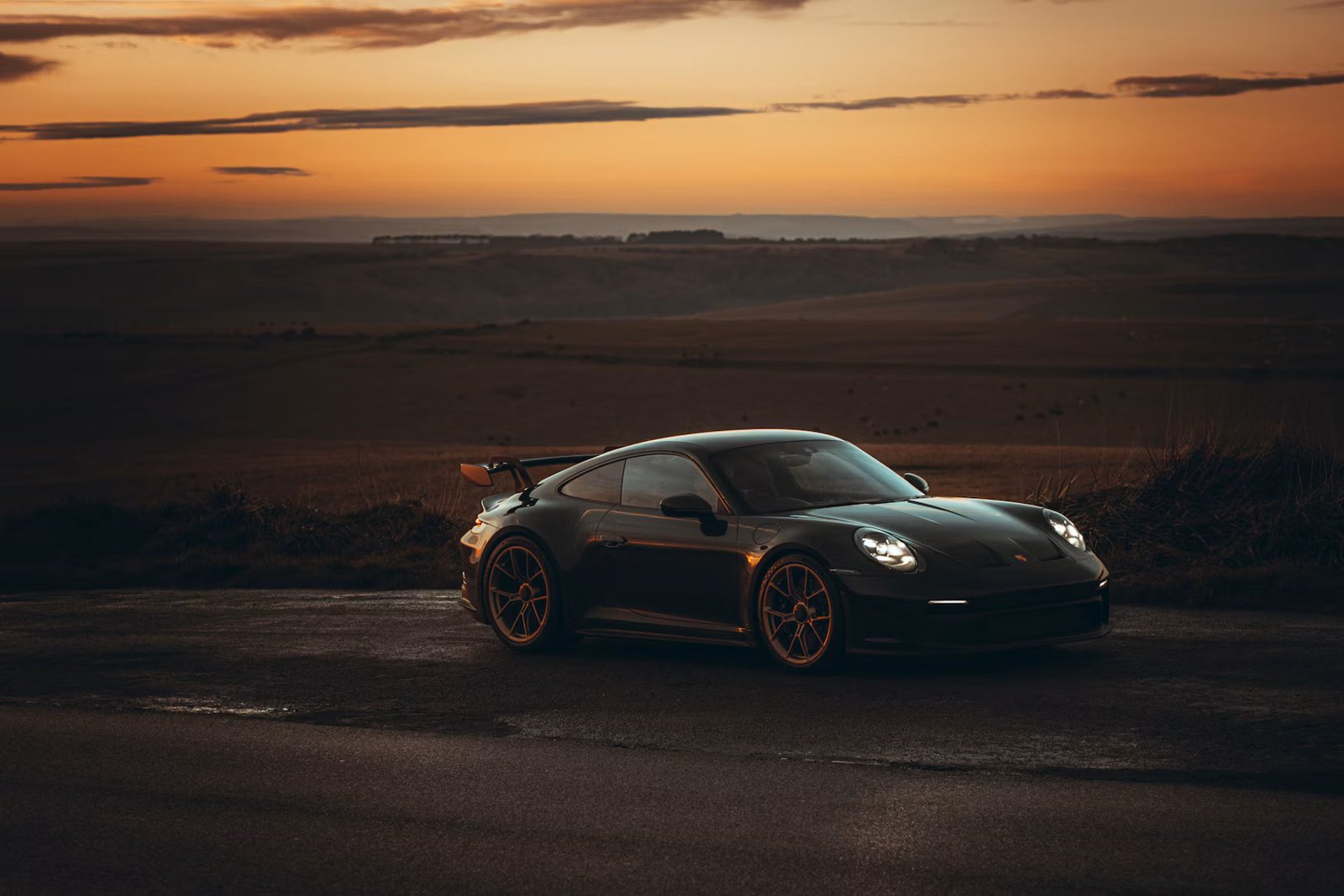
Frequent stop-and-go driving affects Porsche performance by wearing brakes faster, adding heat to the drivetrain, and keeping the engine from reaching full operating temperature.
Traffic is a daily reality in Charleston, especially on I-26 into the peninsula and on I-526 during rush hour. Downtown’s narrow streets, frequent traffic lights, and tourist crowds keep speeds low for long stretches. Summer highs near 90°F and high humidity add even more heat to engines and brakes sitting in slow traffic.
Even the drive across the Ravenel Bridge to Mount Pleasant can slow to a crawl at peak times. Knowing how this traffic affects a Porsche helps owners spot wear early and describe symptoms clearly when looking for Porsche repair in Charleston, SC.
Why Traffic Is Hard on a Performance Car
Porsche engines, cooling systems, and brakes are designed to handle high loads with steady airflow. In slow traffic, airflow drops while heat keeps building. Parts also go through more start, stop, and shift cycles per mile.
Brakes Wear Faster in Town
Every stop turns speed into heat at the brake pads and rotors. Heavy city use wears pads and rotors faster, and heat cycles can age brake fluid sooner. Common signs of brake wear include:
- A brake pad wear warning on the dash
- Squealing or grinding during light stops
- A softer or longer pedal feel
How Traffic Affects the Transmission
Automatic and manual Porsches handle constant creeping differently.
PDK Dual-Clutch Transmissions
The PDK uses clutches that slip briefly when pulling away from a stop. Long periods of creeping add heat and wear to these clutches. Slight low-speed shudder or jerky engagement can appear as the transmission fluid and clutches age.
Manual Transmissions
Repeated starts in traffic wear the clutch disc and put extra load on the release bearing. Riding the clutch pedal speeds up that wear.
Short Trips and Engine Health
Short drives often end before the oil fully warms up. Moisture and unburned fuel can then build up in the oil, reducing its protection. Direct injection Porsche engines can also develop carbon buildup on the intake valves, which may cause rough idle or hesitation.
Stop-and-go use is generally treated as a severe driving condition. Owners who mostly drive in town should discuss their driving habits during Porsche repair in Charleston visits, as frequent short trips can affect maintenance needs and service intervals.
Heat and Battery Strain
Summer idling leans heavily on radiator fans to move air through the cooling system. Many newer Porsches also use auto start-stop, which cycles the engine off and on at lights. Short trips may not fully recharge the battery, so a weak battery can trigger warning messages or disable start-stop.
City Driving vs. Highway Driving
- City driving: More brake wear, more clutch cycles, more heat soak, and less battery recharge time
- Highway driving: Steady temperatures, full oil warm-up, and lighter wear on brakes and clutches
Keeping a City-Driven Porsche Healthy
Mostly urban miles call for closer attention between visits.
- Inspect brake pads, rotors, and fluid condition at every service.
- Check the oil level and condition between scheduled oil changes.
- Test the battery once a year, especially on start-stop models.
- Service the PDK or manual transmission fluid on the schedule in your maintenance guide.
- Diagnose any low-speed shudder or rough idle early.
Points to Remember
- Stop-and-go traffic counts as a severe driving condition for most vehicles.
- City driving wears Porsche brake pads and rotors faster.
- PDK clutches build heat and wear during long periods of creeping.
- Short trips can let moisture and fuel build up in engine oil.
- Start-stop systems and short drives add strain to the battery.
- Regular highway drives help the engine and oil reach full temperature.