
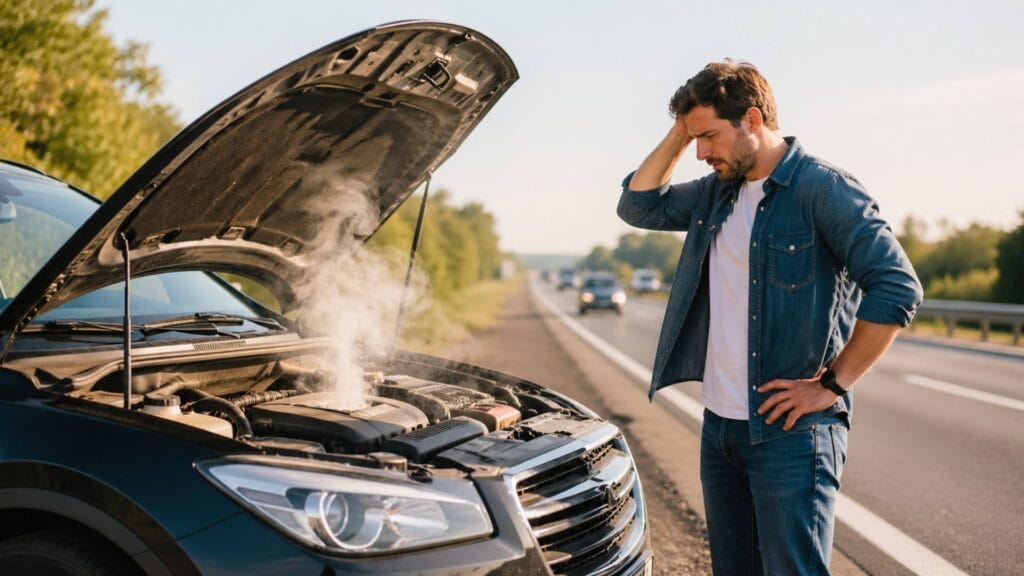
Car overheating is one of the most common yet serious problems drivers face. It happens when the engine temperature rises beyond its safe operating range, often due to cooling system failure or excessive heat generation. Modern vehicles rely on a precise balance of coolant flow, airflow, and mechanical efficiency to keep the engine running smoothly.
If your car is overheating, it’s not just an inconvenience—it can lead to costly engine damage if ignored. Whether you’re driving in city traffic, on highways, or in hot climates, understanding why overheating happens and how to fix it can save you time, money, and stress. In this guide, we’ll break down the real causes, warning signs, quick fixes, and long-term solutions in a simple and practical way.
What Does It Mean When a Car Overheats?
An overheating car means the engine temperature exceeds normal limits (usually above 90–105°C). This can damage engine components like the head gasket, pistons, and cylinder walls.
Common Signs of Overheating
- Temperature gauge rising into the red zone
- Steam coming from the hood
- Burning smell
- Reduced engine performance
- Warning lights on dashboard
Main Reasons Why Your Car Is Overheating
1. Low Coolant Level
Coolant (antifreeze) absorbs heat from the engine. If the level is low, heat cannot be carried away effectively.
Why it happens:
- Coolant leaks
- Evaporation over time
- Poor maintenance
2. Faulty Radiator
The radiator dissipates heat from the coolant. If it’s blocked or damaged, heat builds up quickly.
Common issues:
- Dirt or debris blocking airflow
- Internal corrosion
- Leakage
3. Broken Thermostat
The thermostat controls coolant flow. If it gets stuck closed, coolant cannot circulate.
Result: Rapid temperature rise in engine
4. Water Pump Failure
The water pump circulates coolant through the engine.
Symptoms:
- Coolant leaks
- Whining noise
- Overheating at all speeds
5. Cooling Fan Not Working
The cooling fan pulls air through the radiator, especially in traffic.
If it fails:
- Engine overheats in slow traffic or idle
- Works fine at highway speeds
6. Engine Oil Issues
Engine oil reduces friction and heat.
Problems include:
- Low oil level
- Dirty or old oil
This increases internal heat and leads to overheating.
7. Head Gasket Failure
A blown head gasket can mix coolant with engine oil or allow combustion gases into the cooling system.
Warning signs:
- White smoke from exhaust
- Milky engine oil
- Continuous overheating
8. Blocked Coolant Hoses
Hoses carry coolant between engine components.
Blockages or leaks can:
- Restrict flow
- Cause pressure buildup
What to Do If Your Car Overheats
Immediate Actions
- Turn off the AC and turn on the heater
- Pull over safely
- Turn off the engine
- Let it cool for 20–30 minutes
- Check coolant level (only when cool)
Never open the radiator cap when the engine is hot.
How to Prevent Car Overheating
Regular Maintenance Tips
- Check coolant levels monthly
- Flush radiator every 1–2 years
- Inspect hoses and belts
- Replace thermostat if needed
- Use quality engine oil
Driving Habits Matter
- Avoid aggressive driving in hot weather
- Don’t overload your vehicle
- Monitor temperature gauge regularly
Long-Term Damage Caused by Overheating
Ignoring overheating can lead to:
- Warped cylinder head
- Engine seizure
- Cracked engine block
- Expensive repairs
Conclusion
Car overheating is a clear warning that something in your vehicle’s cooling system isn’t working properly. From low coolant levels to serious engine issues like a blown head gasket, the causes can vary—but the consequences are always costly if ignored. By understanding the root causes, recognizing early warning signs, and following proper maintenance practices, you can avoid major breakdowns and extend your engine’s life. Always pay attention to your temperature gauge and act quickly when something feels off. For long-term reliability, preventive care is far more effective than emergency repairs.