
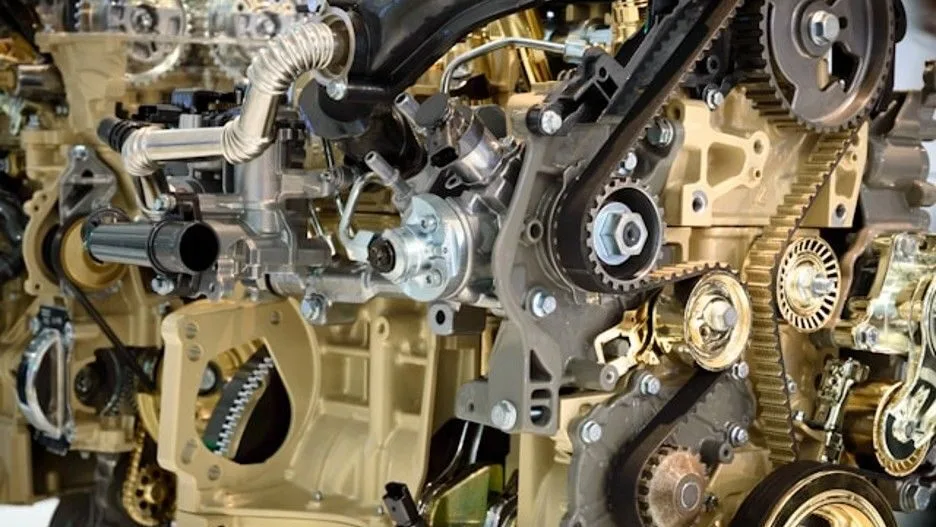
Modern vehicles succeed or fail in the details most drivers never see. A few microns of error in a bore, a slightly off-centerline in a gear, or a roughness issue on a sealing surface can ripple into noise, wear, warranty claims, and brand reputation. Precision engineering is the discipline that keeps those errors from escaping the factory. It connects design intent to real parts, made at speed, made repeatedly, and made to perform in heat, vibration, and long service cycles.
This discipline shows up across the supply chain, from prototyping to high-volume production. It is also an area where manufacturing partners bring hard-earned lessons from real production lines. Insights shared by teams at Beyonics Manufacturing reflect a simple reality: precision is not a single machine or inspection step. It is a system of choices that includes tooling, process control, measurement strategy, and feedback loops that keep a process stable over time.
Precision Engineering Starts With Fit, Function, and Tolerance Strategy
Precision engineering begins before a part ever reaches a machine. It starts with a tolerance strategy that matches function. Automotive parts are full of “stack-ups,” where small variations across multiple components add together. If that stack-up pushes a dimension out of range, a door may not close cleanly, a pump may lose efficiency, or a drivetrain may develop vibration.
Good engineering teams decide where to hold tight tolerances and where to allow freedom. Tight tolerances cost money, increase scrap risk, and demand stronger control. Loose tolerances can reduce cost but increase performance variability. The best strategy balances performance requirements, production capability, and inspection practicality so the part can be built reliably at scale.
Precision engineering also defines datum structures and inspection references that support manufacturing. Clear datums help machinists and quality teams measure the part the same way every time. This avoids confusing debates on the shop floor and reduces variation caused by inconsistent setups.
Advanced Machining Processes Enable Consistency at Scale
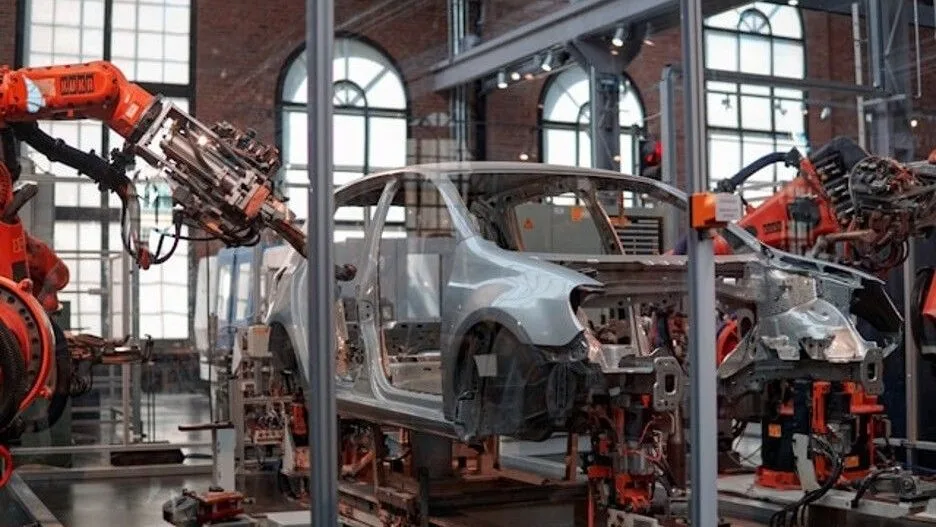
Automotive manufacturing relies on machining processes that can repeat the same result thousands or millions of times. CNC machining, precision grinding, honing, and broaching all play a role, depending on the part. The key is not only accuracy on a single piece. It is stability across production runs, across tool changes, and across shifts.
For engine and drivetrain components, surface finish and geometry control matter as much as nominal dimension. A bore can measure “in spec” and still cause problems if cylindricity, taper, or surface texture is off. Precision processes are selected and tuned to control those characteristics, so performance stays consistent under load and temperature changes.
As powertrains shift, machining needs shift too. Electric motors, gear reduction systems, and thermal management parts can bring tighter requirements in runout, balance, and flatness. Precision engineering adapts by pairing process selection with capability studies so production can meet requirements without constant firefighting.
Metrology and In-Process Measurement Keep Variation From Spreading
No precision process survives without measurement. The question is not “inspect or not.” The real question is where measurement sits in the workflow and how quickly it feeds back into control. Automotive lines that rely only on end-of-line inspection often discover problems too late, after hundreds of parts are already at risk.
Modern metrology combines coordinate measuring machines, optical measurement, vision systems, and specialized gauges. Each method fits a different need. High-precision CMM checks may validate complex geometry. On-line gauging may confirm key dimensions in seconds. Optical tools may capture profile or surface features quickly without touching the part.
In-process measurement adds another layer of control. Tool wear, thermal drift, and machine vibration can all shift results over time. If measurement can detect drift early, operators can adjust offsets, change tooling, or correct setups before scrap piles up. This is how precision becomes scalable. It turns quality into a control system, not a sorting process.
Tooling, Fixturing, and Datum Control Make or Break Repeatability
Even the best machine cannot deliver precision if the part is held inconsistently. Fixturing and tooling are often the quiet heroes of automotive production. They control location, alignment, and stiffness. They also influence cycle time and ergonomics, which affects real-world repeatability.
Datum control is central here. If a part references one surface during machining and a different surface during inspection, results can look inconsistent even when the process is stable. Precision engineering aligns machining datums, inspection datums, and assembly datums so the entire chain measures the same reality.
Tooling design also considers wear and replacement. A fixture that slowly loosens or a locator that deforms under load introduces subtle variation that is hard to diagnose. The best systems include maintenance intervals, quick-change features, and clear inspection points so tooling health stays visible.
Precision Engineering Supports Lightweighting and New Materials
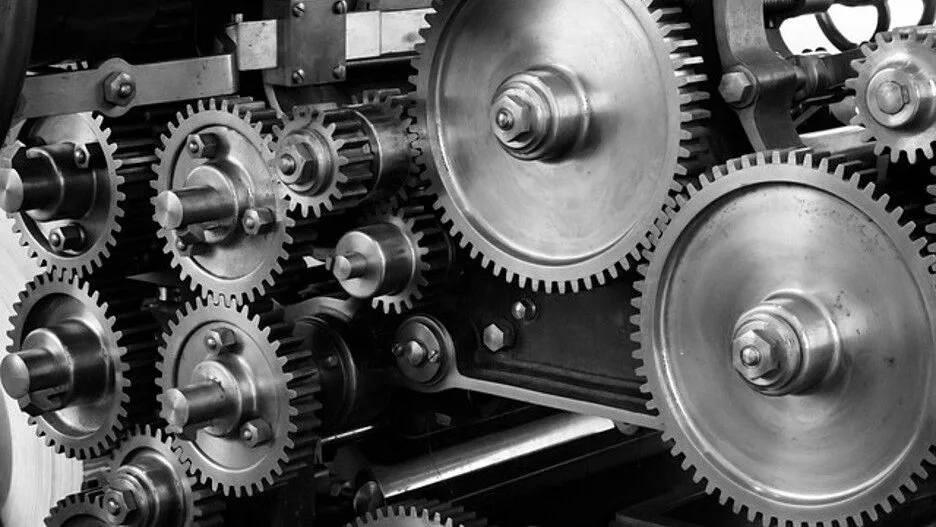
Automakers keep pushing for lighter structures, better efficiency, and stronger crash performance. That means more aluminum alloys, advanced high-strength steels, composites, and mixed-material assemblies. Each of these materials behaves differently in machining, joining, and forming. Precision engineering helps factories adapt without trading performance for manufacturability.
Thin-wall components can warp during machining, especially when internal stresses release. Precision planning reduces risk through smart roughing and finishing strategies, controlled clamping forces, and temperature management. In many cases, the process sequence matters as much as the machine itself.
Joining methods add complexity too. Laser welding, adhesive bonding, friction stir welding, and mixed fastening systems all demand precise alignment and surface preparation. Small deviations can reduce joint strength or create sealing issues. Precision engineering treats joining as a controlled process with measurable inputs, not a “black box” step at the end.