
A Case for the Safety of Reversing Cameras
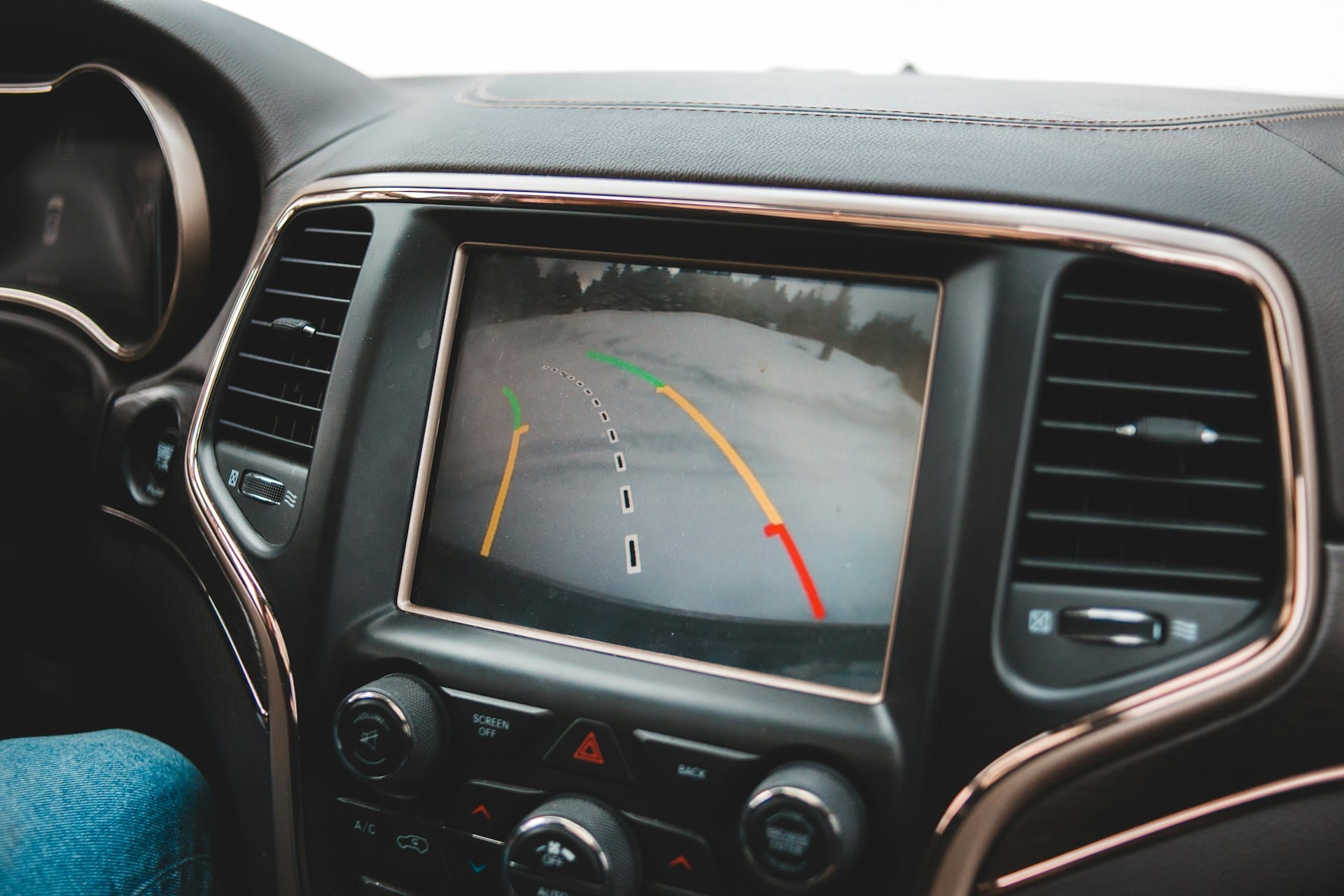
Reversing collisions account for a surprisingly high number of low-speed accidents, including incidents involving children, pets, and fixed objects that may not be visible through a vehicle’s rear-view mirrors. A reversing camera is a camera system that provides a live view of the area behind the vehicle. In 2018, the European Union introduced updated regulations requiring all new vehicle models to include a rear detection system, with reversing cameras becoming one of the most widely adopted solutions.
Types of Reversing Cameras
There are two main types of reversing cameras: factory-fitted and aftermarket systems.
Factory-fitted cameras are integrated into the vehicle’s infotainment display and automatically activate when reverse gear is selected. Aftermarket systems, on the other hand, can be installed in almost any vehicle. These typically consist of a small camera mounted near the number plate and a display screen mounted on the dashboard or attached to the rear-view mirror.
Wireless aftermarket systems have become increasingly popular because they eliminate the need to run video cables from the rear of the vehicle to the front, making installation much simpler.
The Cost of a Good Camera
Basic aftermarket reversing camera kits generally start at around £20 and can range from £50 to £100 or more for higher-quality systems with additional features.
If a factory-installed camera becomes damaged, replacement costs typically range between $50 and $300, depending on the vehicle’s make and model. Suppliers such as PartHunt24 offer both OEM replacement cameras and universal aftermarket options, allowing drivers to compare solutions whether they need a direct replacement or want to add a camera to an older vehicle.
Features That Matter
When choosing a reversing camera, several key features should be considered:
- Resolution
Image resolution determines how clearly obstacles can be seen. A minimum resolution of 720p is recommended for a sharp and usable image.
- Wide-Angle Lens
A wide-angle lens of at least 120° provides better coverage of the area behind the vehicle, helping to reduce blind spots.
- Night Vision
For drivers who frequently reverse in poorly lit environments, night vision capabilities and infrared (IR) LEDs can significantly improve visibility.
- Dynamic Parking Guidelines
Many factory-installed and premium aftermarket systems include dynamic parking guidelines that move in response to steering wheel inputs. These guidelines make parking and manoeuvring in tight spaces much easier and more accurate.
Installation Considerations
Installing an aftermarket reversing camera is often a straightforward DIY project.
Most cameras are mounted near the number plate light and are powered by connecting to the vehicle’s reverse light circuit. Wireless systems transmit the video signal directly to the display unit, eliminating the need for extensive wiring through the cabin.
Wired systems require more installation effort but generally provide a more stable signal with minimal interference and no noticeable latency. Depending on the system and vehicle, installation usually takes between one and three hours.
Maintaining Your Camera
Regular maintenance helps ensure consistent image quality and long-term reliability.
The camera lens should be kept clean, as road dirt, salt, and moisture can reduce visibility over time. A quick wipe during routine vehicle washing is usually sufficient.
It is also advisable to inspect the camera housing periodically for cracks, damage, or signs of moisture ingress, particularly on older aftermarket units that may not have been sealed correctly during installation.
Conclusion
A reversing camera is one of the most valuable safety upgrades available for modern vehicles. Whether you are replacing a failed factory unit or installing a new system in an older car, the benefits are immediate. With relatively low costs, simple installation options, and improved visibility, reversing cameras help drivers avoid accidents, protect vulnerable road users, and make parking significantly easier and safer.