
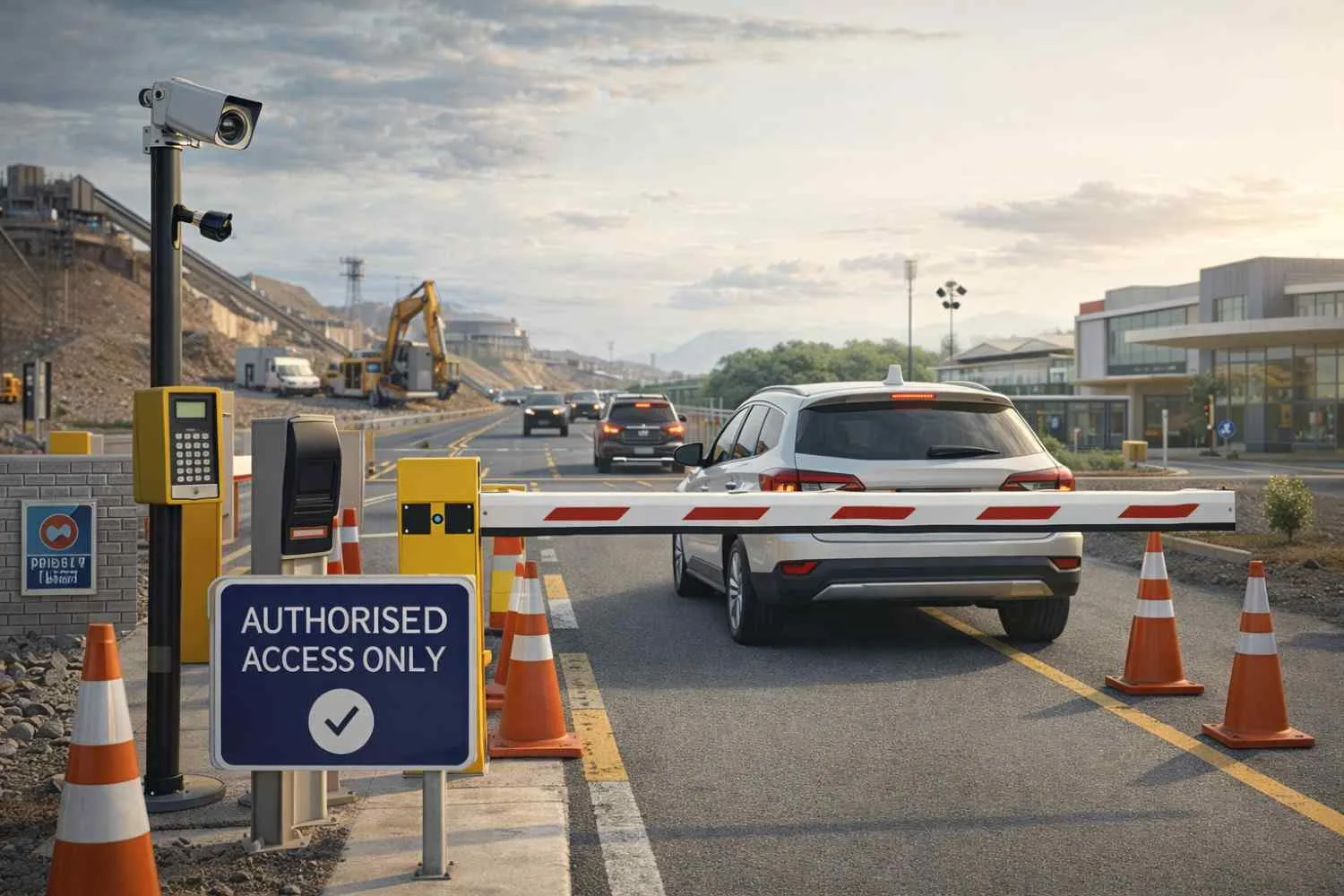
Managing vehicle site entry is a critical component of operational efficiency and security for commercial and industrial premises. From construction sites to government facilities, controlling how vehicles access a site can mitigate safety risks, improve traffic flow, and ensure only authorised personnel enter restricted areas. In this article, we explore the best practices for managing vehicle site entry, tailored specifically to sectors such as construction, mining, retail, and local councils.
Integrating Reliable Access Control Technologies
One of the most effective ways to streamline vehicle entry while maintaining robust site security is by implementing automated access control systems. These systems help regulate the flow of traffic, enforce security protocols, and reduce the need for manual supervision.
Among the most efficient tools available are automated boom gate systems for commercial sites. These systems provide a reliable method of controlling vehicle entry and exit points, particularly in environments where high traffic volumes or heightened security are a concern. Whether it’s a mining operation with stringent safety procedures or a supermarket car park requiring constant flow regulation, these boom gates help ensure a consistent and secure operation.
Ensuring Compliance with Safety Regulations
Vehicle access control systems must align with industry-specific safety and compliance standards. For example, construction and mining sites are typically governed by strict workplace health and safety (WHS) regulations, which include protocols for vehicle movement and pedestrian interaction.
To stay compliant, organisations must clearly define vehicle zones, pedestrian pathways, and install adequate signage and barriers. Access control equipment should also include fail-safe mechanisms and emergency overrides to ensure safety during power outages or emergencies. Regular audits and inspections should be conducted to verify system performance and compliance with national safety standards.
Tailoring Entry Systems to Site Requirements
Every commercial site has unique operational demands, so a one-size-fits-all approach rarely works for vehicle access control. A logistics depot, for instance, may require high-speed barrier gates to manage frequent truck movements, while a council depot might prioritise durability and minimal maintenance for outdoor gates exposed to harsh weather conditions.
When selecting an access control solution, consider factors such as traffic volume, vehicle types, frequency of use, environmental exposure, and available infrastructure. Customising gate speed, arm length, and integration with security systems ensures optimal functionality and longevity. Engaging with an experienced access control provider can also aid in tailoring systems to meet these specific needs efficiently.
Prioritising Ease of Use and Integration
User-friendly systems that integrate seamlessly with existing site management tools can significantly improve the efficiency of vehicle access control. The best systems are intuitive for both end-users and operators, reducing the likelihood of misuse or error.
By supporting physical security information management (PSIM) capabilities, these systems can integrate with building management systems, CCTV, and incident tracking software for centralized monitoring and quicker responses to security incidents.
For example, if an unauthorised vehicle attempts entry, the system can automatically trigger alerts and begin video recording. This kind of intelligent automation enhances operational oversight and accelerates incident response.
Maintaining System Reliability Through Regular Servicing
As with any critical infrastructure, regular maintenance is essential to keep vehicle access systems functioning reliably. Environmental factors such as dust, moisture, and temperature fluctuations can affect the performance of electromechanical components, particularly in outdoor or industrial settings.
Establishing a preventative maintenance schedule helps identify and resolve issues before they escalate. Components like sensors, motors, and control panels should be inspected periodically to ensure optimal performance. Additionally, updating software and firmware is crucial to maintaining system security and compatibility with evolving technologies.
Achieving Secure, Smooth, and Smart Site Access
Effective management of vehicle site entry is a multifaceted task that demands careful planning, the right technologies, and ongoing oversight. From ensuring compliance with safety standards to integrating smart technologies that enhance both security and usability, these best practices can significantly improve site operations across a range of sectors. By investing in purpose-built access control solutions and maintaining them diligently, organisations can protect their assets, staff, and visitors while supporting a more efficient working environment.