
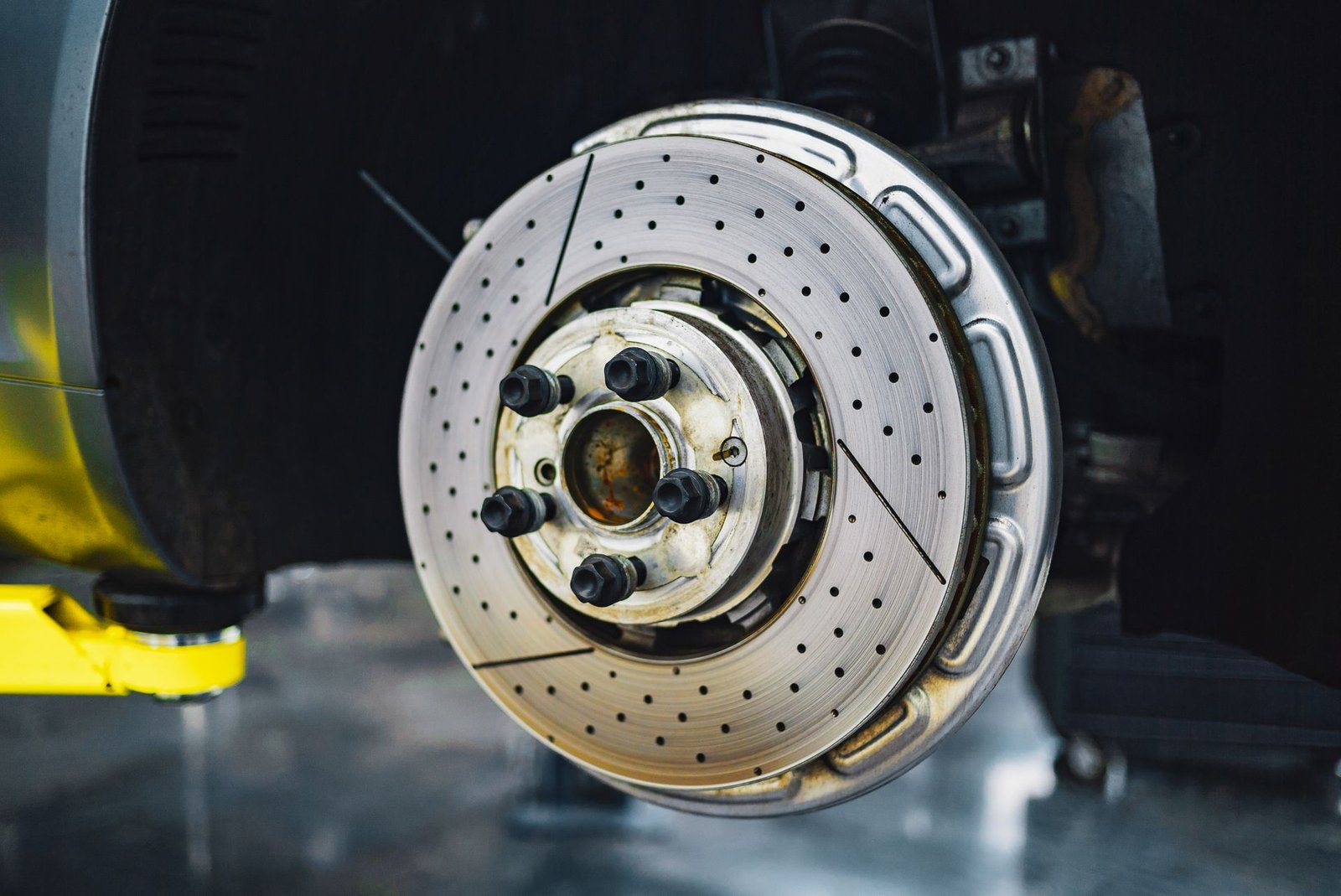
European car brake problems can develop because of worn caliper slide pins, contaminated brake fluid, failing wear sensors, and other issues that drivers may not notice right away. These problems can affect braking performance before obvious warning signs appear.
Milton is a city in northern Fulton County, on the northern side of the Atlanta metropolitan area. It covers more than 39 square miles and borders Cherokee and Forsyth counties, with Alpharetta and Roswell nearby.
Milton’s rolling terrain and mix of state highways and local roads mean drivers encounter different braking conditions, from busy intersections to winding road sections. Recognizing unusual brake behavior early can help you decide when to seek European brake repair in Milton, GA.
Here are six hidden causes worth knowing about if you drive a European vehicle:
1. Moisture-Contaminated Brake Fluid
Most European brands use DOT 4 fluid and call for replacement every two years. Water in old fluid lowers its boiling point, which can cause a soft pedal during hard braking.
Moisture also corrodes ABS valves from the inside, a repair that costs far more than a fluid flush. A shop can check water content with an electronic tester in a few minutes.
2. Sticking Caliper Slide Pins
Slide pins let the caliper float evenly as the pads wear. When their grease dries out, or the rubber boots tear, the caliper binds and keeps one pad dragging.
Signs include:
- Pulling to one side when braking.
- One wheel much dustier or hotter than the others.
- Inner and outer pads are worn at different rates.
3. Worn Pad Wear Sensors
Many BMW, Mercedes, and Audi models use a wire sensor that turns on a dash warning when pads get thin. Once triggered, the sensor must be replaced with the pads, or the light stays on.
4. Rotors Below Minimum Thickness
European cars often use softer pads that wear the rotors down along with them. Every rotor has a minimum thickness stamped on its edge or hub, and going below it can cause overheating, vibration, and longer stops.
Resurfacing and replacement compare like this:
- Resurfacing removes metal, so it only works on rotors well above the minimum.
- Replacement is common practice on European cars, often done with every pad change.
5. Electronic Parking Brake Faults
Many newer Audis, VWs, BMWs, and Mercedes-Benz models use small motors on the rear calipers instead of a parking brake cable.
Why Service Mode Matters
The rear pistons can’t be pushed back by hand until a scan tool puts the system into service mode. Forcing them can strip the motor gears and trigger a parking brake fault.
DIY vs. Professional Repair
Front pad jobs are DIY-friendly for experienced owners. Rear work needs the right scan tool, which most home mechanics don’t have.
6. Worn Suspension Bushings
Shaking under braking isn’t always a brake problem. On many BMW and Mercedes models, cracked control arm or thrust arm bushings let the wheel shift when you stop, which feels just like warped rotors. Before paying for new rotors, ask any shop handling brake repair in Milton, GA, to check the bushings first.
Recognizing these hidden issues early can help you know when to seek brake repair in Milton, GA, before minor brake problems affect your vehicle’s stopping performance.
Quick Recap
- Brake fluid absorbs moisture and should be replaced about every two years.
- Sticking slide pins cause pulling and uneven pad wear on one side.
- Triggered pad wear sensors must be replaced along with the pads.
- Electronic parking brakes need service mode before rear pad replacement.
- Worn suspension bushings can cause shaking that mimics warped rotors.