
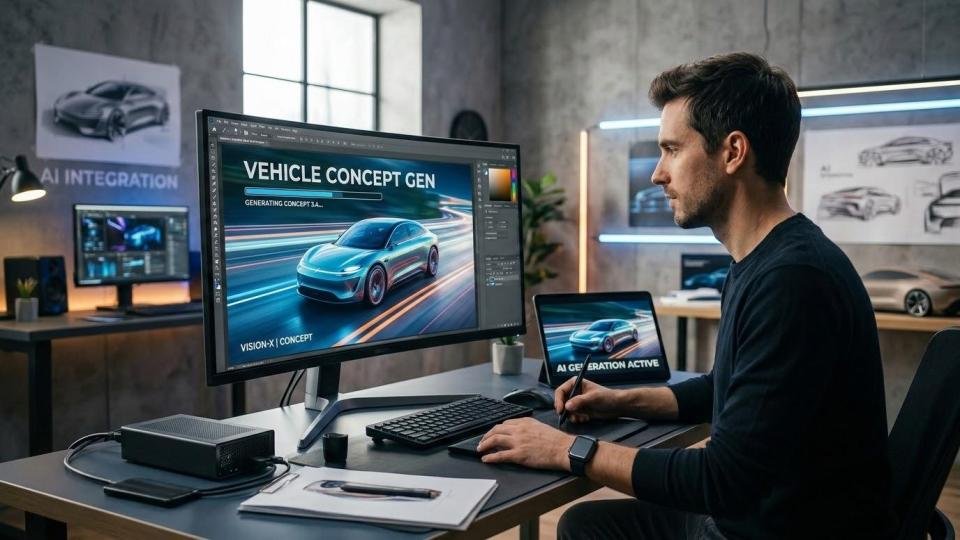
Every era of automobile history has needed a way to actually show the world what a new design looks like in motion, from early motor shows to today’s digital reveals and social media unveilings. Higgsfield’s AI Car Video Generator, is becoming part of how automotive engineers, custom builders, and small workshops showcase vehicle concepts and finished builds without a film crew, provided the video genuinely represents the real vehicle it’s showing.
Why Does This Matter So Much for Automotive Engineers and Builders Right Now?
The stakes here are genuinely practical, not abstract. An engineer, restorer, or small workshop might have a genuinely impressive concept design, custom build, or restoration project, but without access to a film crew, a closed road, or professional automotive videography, that work has historically been hard to showcase the way it deserves. This matters because the gap between a genuinely well-executed project and a genuinely well-presented one has traditionally required resources most individual engineers and small shops simply don’t have.
This gap tends to matter most precisely when a project genuinely deserves attention, a restoration finished after months of real work, a concept design worth pitching to investors or collaborators, or a custom build ready to build a reputation on. A genuinely skilled engineer with strong technical work can still end up undersold by a showcase that doesn’t do that work justice, simply because professional video production was never realistically within reach for a solo engineer or a small independent workshop.
What Does the Identity Lock Feature Actually Solve?
Given how AI video tools typically work, this addresses a genuinely important concern for anyone showcasing real engineering work. The generator’s identity lock holds the exact make, model, color, and trim from a source photo, keeping wheels, badges, and body details true to the real vehicle rather than drifting into a generic or altered version. This matters because a build that’s actually been engineered, restored, or customized deserves a showcase video that genuinely represents that real work, not an AI-smoothed approximation that loses the specific details an engineer actually cares about.
This kind of accuracy genuinely matters more the more specific a build actually is. A one-off custom fabrication or a restoration that preserves period-correct details is defined precisely by those specific choices, a particular wheel design, a specific paint color, a specific trim configuration, and a showcase tool that can’t hold those details accurately would genuinely undersell exactly the work that makes the project distinctive in the first place, the details that took the most real time and effort to get right.
Why Does This Matter So Much for How Automotive Engineers Should Actually Use This Kind of Tool?
Given that real capability, the appropriate use for an AI Car Video Generator is presenting a real vehicle, concept, or completed project more compellingly, better camera work, better environment, better pacing, never generating a version that misrepresents what the actual build looks like or how it actually performs. This distinction matters enormously for an engineer’s real credibility, since a showcase video that oversells a project beyond what it genuinely is tends to become obvious the moment someone sees the real vehicle in person.
This distinction is genuinely worth treating as a standard practice rather than an afterthought. An engineer who showcases a real, accurately represented build protects their own reputation in a community where credibility depends heavily on genuine, verifiable work, while an engineer tempted to let a showcase video imply capabilities or finish quality the actual build doesn’t have is genuinely risking that same reputation the moment the real vehicle is seen up close by peers or customers.
What Happens When an Engineer or Small Workshop Wants Professional Showcase Video but Has No Production Budget?
This is a real, common challenge across the automotive engineering and custom build space specifically. Someone might have completed a genuinely impressive restoration, concept build, or custom fabrication project, but without a videographer, a closed road, or studio lighting, that project often ends up documented with nothing but static photos that don’t capture how it actually looks in motion.
This limitation tends to be most frustrating precisely when a project’s motion is part of what makes it genuinely impressive. A suspension modification, an aerodynamic redesign, or a performance upgrade is often best understood in motion, the way light plays across new bodywork, the way a redesigned stance actually looks rolling down a road, details that a static photo genuinely can’t capture no matter how well it’s composed or how skilled the photographer behind it actually is.
What Are the Traditional Options for Producing Automotive Showcase Video?
Hiring a professional automotive videographer is one option, and it produces genuinely polished, cinematic results. Filming with a phone on a public road is the more common, accessible alternative, but it often fails to actually capture the same camera control, lighting, and production quality a genuine showcase deserves.
Both traditional approaches carry genuine, real trade-offs worth naming directly. A professional videographer produces genuinely polished, cinematic results, but the real cost, combined with the need for a closed road or track for driving shots, means most individual engineers and small shops can’t commission this for every completed project. Phone footage is free and immediate, but the real legal and practical limits of filming on public roads mean a genuinely impressive build often ends up documented in conditions that don’t actually do it justice.
Where Do These Traditional Options Fall Short for Individual Engineers and Small Workshops?
The constraint is cost and access together throughout every stage of a project. A professional videographer produces genuinely polished results, but the real cost, plus the need for a closed road or track for genuine driving shots, means most individual engineers and small workshops can’t justify that investment for every completed project. Phone footage on a public road is accessible, but the real limitations in camera control and legal driving conditions can leave even a genuinely impressive build looking less compelling than it actually deserves.
This constraint genuinely explains why so much genuinely strong automotive engineering work goes underdocumented, particularly outside of major dealerships and manufacturers who can afford dedicated video production. A skilled independent builder or restorer can produce genuinely showroom-quality work and still struggle to present it as such, simply because the tools to showcase it well were never realistically within reach until now.
| Professional videographer | Phone footage on public roads | AI Car Video Generator | |
| Cost | A real, often significant expense | Free, but limited control | Included in a free or affordable tier |
| Camera control | High, with professional equipment | Limited, real-world constraints | High, orbits, drifts, and reveals on command |
| Closed road or track required | Often yes, for driving shots | Yes, for legal high-speed footage | No |
| Best suited for | A flagship brand or dealership campaign | Simple, casual documentation | Regular project showcases and reveals |
How Does This Kind of Tool Actually Fit Into an Engineer’s Workflow?
An AI Car Video Generator, available through Higgsfield, lets an engineer or builder upload a real photo of a completed project and direct rolling shots, orbits, or reveals in minutes, without needing a closed road or professional camera equipment to capture genuine driving footage. For someone documenting a restoration, a concept build, or a custom fabrication project, that accessibility makes it realistic to produce a showcase video that actually does the work justice, keeping pace with how quickly a genuinely active workshop actually completes new projects.
What Must Every AI-Generated Car Showcase Video Genuinely Represent?
This is the single most important point in this entire article. A showcase video has to genuinely reflect the real vehicle it’s presenting, real color, real trim, real modifications, never a version that implies a different build, finish, or capability than what actually exists. A feature within Higgsfield’s platform should be used to present a real project more compellingly, never to create a video implying work that wasn’t actually done. Given that credibility in engineering and custom build communities depends heavily on real, verifiable work, this accuracy isn’t optional polish, it’s what keeps a showcase video genuinely trustworthy to an audience that will eventually see the real vehicle, whether at a meet, a show, or a workshop visit.
What Can an Engineer Actually Build Beyond a Single Showcase Video?
Beyond one video, the same tool can support documenting an entire project’s evolution from concept to completion, complementing the kind of engineering storytelling already reflected in Mechanical Booster’s own history of the automobile, which traces how automotive design has been documented and showcased from early invention through the hypercar and electric vehicle eras, right down to how concept cars are unveiled at major motor shows today. Higgsfield AI is a native AI creative suite, which offers advanced AI image, video, and voice generation, editing, and upscaling tools. This means an engineer could also produce supporting still images from the same source material in one workspace.
Does This Replace the Actual Engineering Work Behind a Genuinely Impressive Build?
No, and this matters as much here as anywhere in this whole discussion. What actually makes a vehicle project genuinely impressive is the real engineering, fabrication, and design work behind it, not the polish applied to how it’s shown afterward. A tool built into Higgsfield’s suite speeds up presenting that real work compellingly. It does not improve the actual build, generate genuine engineering skill, or replace the real craftsmanship that determines whether a project is actually worth showcasing in the first place, no matter how well the final video happens to be presented.
What Should an Engineer Look for in an AI Car Video Generator for This Kind of Use?
A few things matter more here than for general marketing video. The ability to accurately hold a real vehicle’s identity, color, trim, and modifications matters most, given how much credibility in this space depends on genuine, verifiable work rather than polished exaggeration. Camera control that mimics real cinematography, rolling shots, orbits, reveals, matters given how much a well-shot angle can actually communicate about a design that a static photo simply can’t convey. And starting from a genuinely clear, well-lit source photo matters, since the tool’s accuracy depends on being able to read the real vehicle’s details clearly from the start.
What Are the Key Takeaways for Automotive Engineers Considering This Approach?
Identity lock holds the exact make, model, color, and trim from a source photo, keeping a showcase video true to the real vehicle being presented and its actual specific details.
An AI Car Video Generator like Higgsfield helps engineers and small workshops produce genuine showcase video without a closed road or professional film crew standing between them and a finished result.
Every AI-generated showcase video must genuinely represent the real vehicle, never a version implying work, finish, or capability that doesn’t actually exist on the physical build itself.
This kind of tool speeds up presenting real engineering work compellingly but does not replace the actual craftsmanship behind a genuinely impressive project or the hours spent getting the details right.
What Are Some Frequently Asked Questions About AI Car Video Generators for Engineers?
This should never be done. The identity lock feature is specifically built to hold a real vehicle’s true make, model, color, and trim, and the tool is meant to present real work more compellingly, never to misrepresent it to viewers who may eventually see the actual vehicle in person.
No. A single clear photo is enough to generate a rolling, driving shot, meaning a project can be showcased without ever needing a closed road or track for filming an actual driving sequence.
No. Uploading a real photo and describing the camera move, scene, and mood you want is enough to produce a usable showcase video without prior video production experience of any kind.
It helps with concept work just as much, since a rendering or early photo of a design concept can be turned into a compelling showcase video before a physical build even exists, useful for pitching an idea or gauging real interest early.