
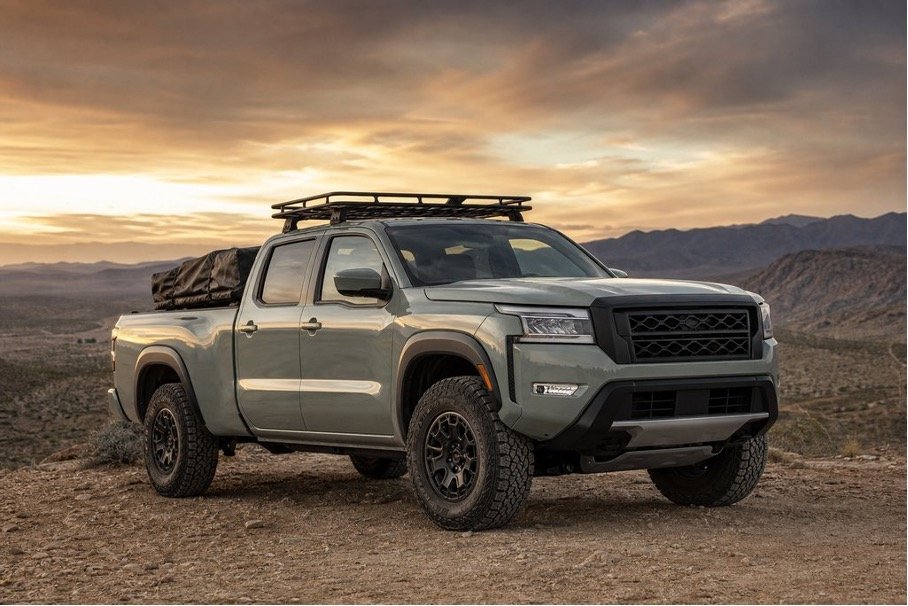
Some exterior mods are mostly for looks. Others are built for functionality. If you need to protect some parts from scrapes and impacts, increase payload or storage capability, or prepare the truck for off-road driving, factory exterior accessories are a good choice because they will fit your vehicle’s design and electrical system. But what kind of exterior upgrade do you actually need? Here are a few exterior options you might want to consider, depending on what your vehicle does.
Protect What Gets Hit
First things first. Where are the parts of your vehicle that are most likely to get dinged, scratched, or otherwise damaged? Depending on your usage, those areas could include the paint, rocker panels, bumpers, and the opening where you load cargo. Accessories that protect these surfaces can prevent costly damage and repairs later on. Some common examples are:
- Splash guards to keep mud, snow, and stones from getting under the car and hitting the paint
- Side steps and running boards to assist in getting in and out of the vehicle
- Door sill guards to protect the door sills from being scuffed and scratched by boots, pets, kids, or objects being loaded into the vehicle
- Hood deflectors that redirect insects and other debris away from the hood
- Rear bumper guards for protecting the bumper during off-roading, loading groceries, or loading bikes
- Moldings to help protect vulnerable areas of the paneling
Choose the accessories you need to protect the areas of your vehicle that you’re most likely to damage. If your friends and family frequently climb in and out of the vehicle, side steps or running boards may be more beneficial than a hood deflector. On the other hand, if you are frequently loading items into the back of the vehicle, a bumper guard or door sill guard may be more valuable than a set of side steps. Before you buy anything, double-check your measurements to ensure the accessory will fit your vehicle properly.
For example, a step or running board needs to provide enough clearance for the terrain you drive on. It also needs to be at a convenient height, as if it’s too narrow, too high, or too close to the side of the vehicle, it won’t be very useful.
Make Room for More Gear
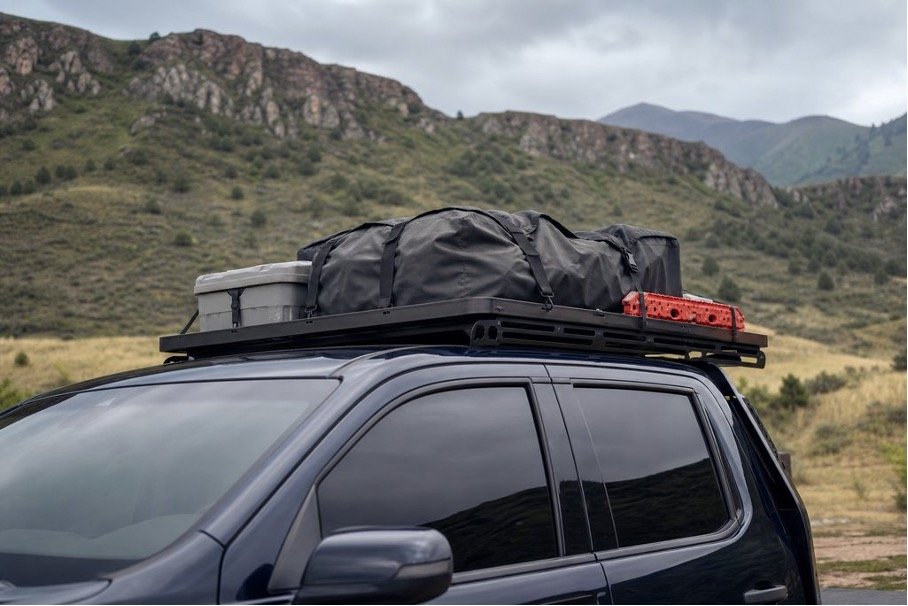
Even if the rack can technically handle the weight, you need to consider the roof load rating of the vehicle, the weight of the rack itself, and the load capacity of the crossbars themselves. Carrying a heavy load also increases your risk of an accident, decreases your gas mileage, and could cause problems when entering garages. In addition, you need to consider the clearance you have left for opening doors or the liftgate, and accessing the sunroof.
Don’t Overlook Fit and Finish
Do more with your front and rear bumpers. Bumpers can be outfitted with tow hooks, recovery points, license plate mounts, hitch-mounted accessories, and protective trims. Make sure any new equipment you install doesn’t block your view of the road, interfere with your vehicle’s sensors, or make it difficult to operate.
If you plan to mount lighting or electrical accessories, be sure you know how to properly route the wiring without putting it near hot or moving components, or in the way of the vehicle’s cooling system. Also, make sure your accessories don’t interfere with the vehicle’s ability to open the rear hatch or tailgate, connect a trailer, or retrieve the spare tire.
When buying a new accessory, look for one that is finished to match your vehicle’s aesthetic. Exterior accessories are subjected to a lot of abuse from the elements, including sunlight, wind, rain, snow, ice, dirt, sand, and salt – more on Authentic MOPAR Exterior Accessories for your Jeep if you want that route.
Be mindful of the maintenance involved in keeping a new finish looking good (I bookmarked gq.com/story for this), especially if you live in an area with extreme weather conditions. Textured finishes tend to be more forgiving of wear and tear, while glossy painted finishes require more attention to detail to keep looking good. Think about what kind of finish you want to apply based on how you’ll be using your vehicle.
If you’re doing a lot of off-roading, a textured, hard-wearing finish may be better than a shiny, reflective finish. Keep a copy of any manufacturer documentation that comes with the new accessory in your owner’s manual folder, and make sure you have any extra mounting hardware so that you can remove the accessory when you need to replace it or install something else.
Finally, think about which accessories your vehicle actually needs. You may find it easier to start by identifying one or two accessories that help you address a particular problem, such as increasing payload or storage capacity, providing access to the vehicle, or protecting vulnerable areas. Then, once you’ve addressed the issue, you can focus on enhancing the overall look of the vehicle. Make a list of the items you carry in the vehicle most often, measure the space around those areas, and decide on which accessories are the most critical.