
Diesel engines have powered heavy-duty vehicles, industrial equipment, and generators for over a century. Yet, the way these engines are controlled and managed has undergone a dramatic transformation. This transition has enabled improved performance, greater fuel efficiency, reduced emissions, and advanced diagnostics.

A Brief History of Mechanical Diesel Engines
For much of the 20th century, diesel engines relied on mechanical systems for fuel delivery and timing. The inline pump, distributor pump, and unit injectors governed how fuel was metered and delivered to each cylinder. These systems were rugged, straightforward, and could be maintained with basic mechanical knowledge.
Mechanical diesel engines demonstrated that a well-engineered pump and injector system could deliver consistent power and reliability. These engines became legends in trucking and industrial applications, thanks to their robustness and ease of repair.
Know that mechanical systems have limitations. They were constrained in their ability to finely adjust fuel delivery based on changing operating conditions, with emissions standards tightening in the late 20th century.
Why Diesel Engines Need Change
By the 1980s and 1990s, regulatory pressure to reduce nitrogen oxides (NOx), particulate matter (PM), and other pollutants pushed manufacturers to rethink engine design. Mechanical control systems lacked the flexibility to respond to complex emission-reduction strategies, including exhaust gas recirculation (EGR), variable timing, and turbocharging adjustments.
Customers wanted better fuel economy and smoother performance. Trucks, buses, and off-road machinery were demanding engines that could adapt to variable loads and environments more intelligently than mechanical linkages allowed. These economic and environmental pressures set the stage for a revolution in how diesel engines were controlled: the adoption of electronic engine management.
Mechanical Legends vs. Modern Electronics
The Cummins N14 represents the pinnacle of mechanical diesel design. Known for durability and ease of maintenance, the N14 and similar engines dominated highways for decades. For many fleet operators, these engines were the gold standard for reliability.
Today, a modern electronic diesel engine outperforms many legacy mechanical designs in:
- Emissions compliance
- Fuel economy
- Power delivery
- On-board diagnostics
Fleet managers may need parts or complete replacements for classic engines. Seek out a reputable Cummins N14 engine supplier, as they provide access to rebuilt or new engines that maintain the legacy of mechanical diesel. Operators can still keep their vehicles running.
The Role of Electronic Control Units (ECUs)
The heart of the transition to electronic diesel engines is the Electronic Control Unit (ECU). Referred to as the engine computer, the ECU continuously monitors and adjusts engine functions, including fuel injection timing, fuel quantity, turbo boost, and emission control systems.
The ECUs use sensors to gather real-time data (engine speed, air temperature, intake pressure, exhaust oxygen content, and more). The ECU processes this information and adjusts actuators to optimize performance. The introduction of ECU-controlled diesel engines marked a turning point that reshaped the entire industry.
From Mechanical Fuel Pumps to Electronic Injectors
In traditional mechanical diesel engines, a cam-driven pump controlled every aspect of fuel delivery. Electronic diesel engines use high-pressure common-rail systems and electronic injectors. These injectors are commanded by the ECU to precisely meter fuel at the right time and pressure for each combustion event.
The benefits are manifold:
- Improved fuel atomization for more complete combustion
- Multiple injection events per cycle to reduce noise and emissions
- Faster response to load changes
- Greater fuel efficiency under varying conditions
The transition to common-rail and electronic fuel injection systems represents a major leap beyond what mechanical pump technology could achieve.
The Environmental Impact of Electronic Engine Management
One of the biggest drivers for electronic diesel technology has been emissions regulation. As countries implemented stricter standards (Euro emissions tiers and EPA regulations), manufacturers had to innovate.
By adjusting engine parameters dynamically, ECUs reduce NOx and PM far beyond what mechanical systems could achieve. This adaptability meets global emissions objectives and combats air pollution in urban centers.
Diagnostics and Predictive Maintenance
Mechanical engines required physical inspection and manual testing to identify issues. If an engine ran rough, mechanics had to interpret symptoms and perform trial-and-error adjustments.
With electronic diesels, the ECU continuously monitors sensors and can store fault codes when something goes out of range. Technicians can read these codes with diagnostic tools, pinpointing issues quickly, saving time, and reducing downtime.
Modern telematics systems can collect engine data remotely. This enables predictive maintenance, where potential problems are identified before they cause failures, improving uptime and lowering operating costs.
Challenges of the Electronic Era
While electronic diesel engines offer remarkable advantages, they can introduce new challenges:
- Complexity: Technicians need specialized training to work on ECUs, sensors, and high-pressure fuel systems.
- Cost: Electronic components and diagnostic tools can be expensive.
- Reliance on software: Firmware issues or sensor failures can disrupt engine operation in ways that mechanical systems never experienced.
Some operators still prefer mechanical engines for certain applications, where simplicity and field serviceability are priorities. For them, engines like the Cummins N14 remain appealing, and sourcing these units is a strategic choice for extending the life of older equipment.
The Future of Diesel Engine Technology
Despite the rise of electrification and hybrid powertrains, diesel engines remain indispensable in many sectors due to their energy density and adaptability to heavy loads. The future will likely see even greater integration of electronics, artificial intelligence, and connected systems.
Some emerging trends include:
- Machine learning algorithms to optimize performance in real time
- Integration with autonomous vehicle systems
- Improved emission controls for Tier 5 and beyond
- Hybridization with electric systems for load leveling and efficiency
The electronic engine is not just a replacement for mechanical control, but it’s a platform for ongoing innovation.
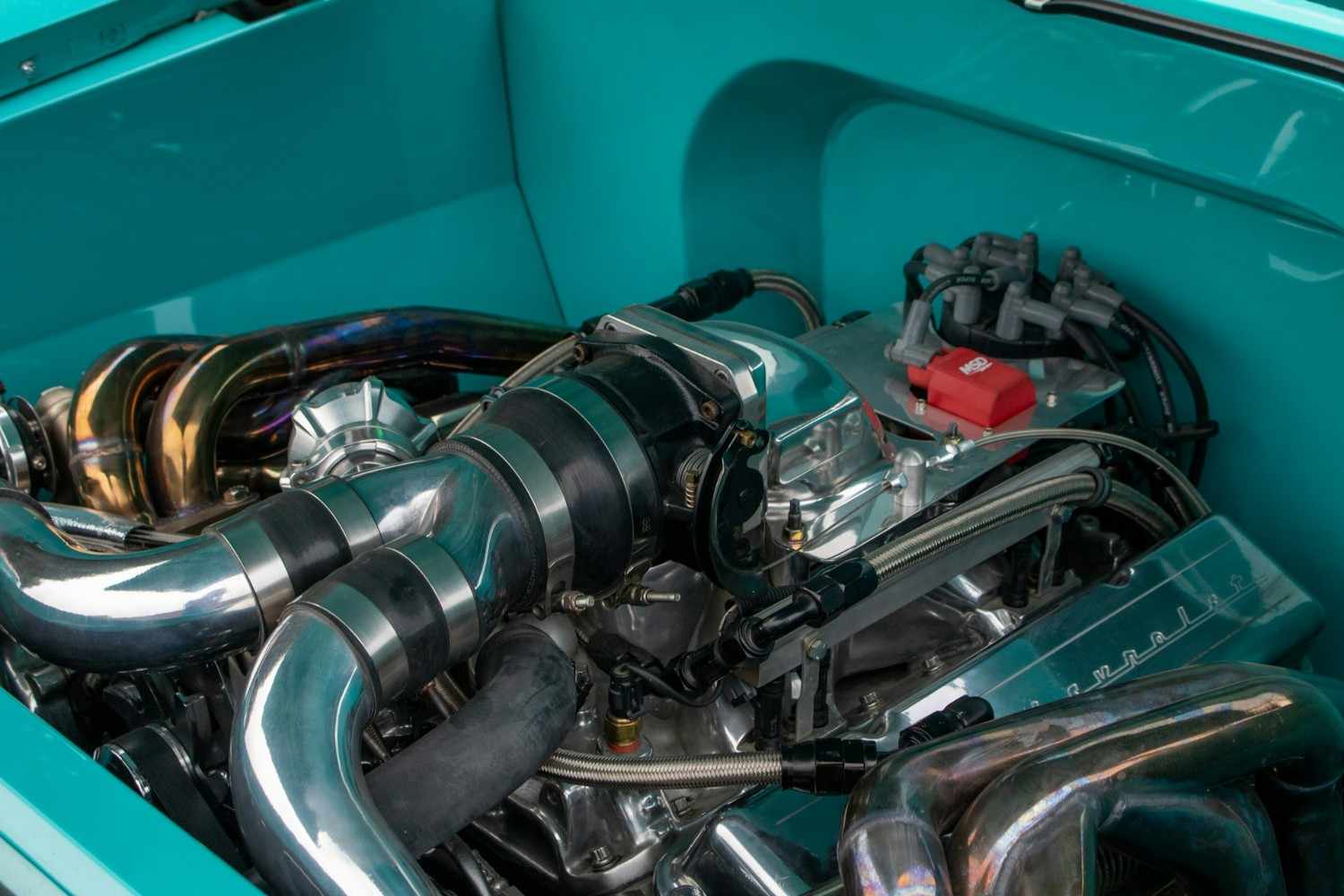
The transition from mechanical to electronic diesel engines marks a pivotal chapter in the evolution of powertrain technology. From the rugged simplicity of classic engines like the Cummins N14 to highly sophisticated, sensor-driven powerhouses, diesel propulsion has continuously adapted to meet performance, economic, and environmental demands.
For those who still operate and maintain legacy mechanical engines, reliable sources will guarantee that the legacy of mechanical diesel continues alongside innovations in electronic management. Whether in old or new form, diesel engines will remain integral to industries that demand durability, power, and efficiency.