
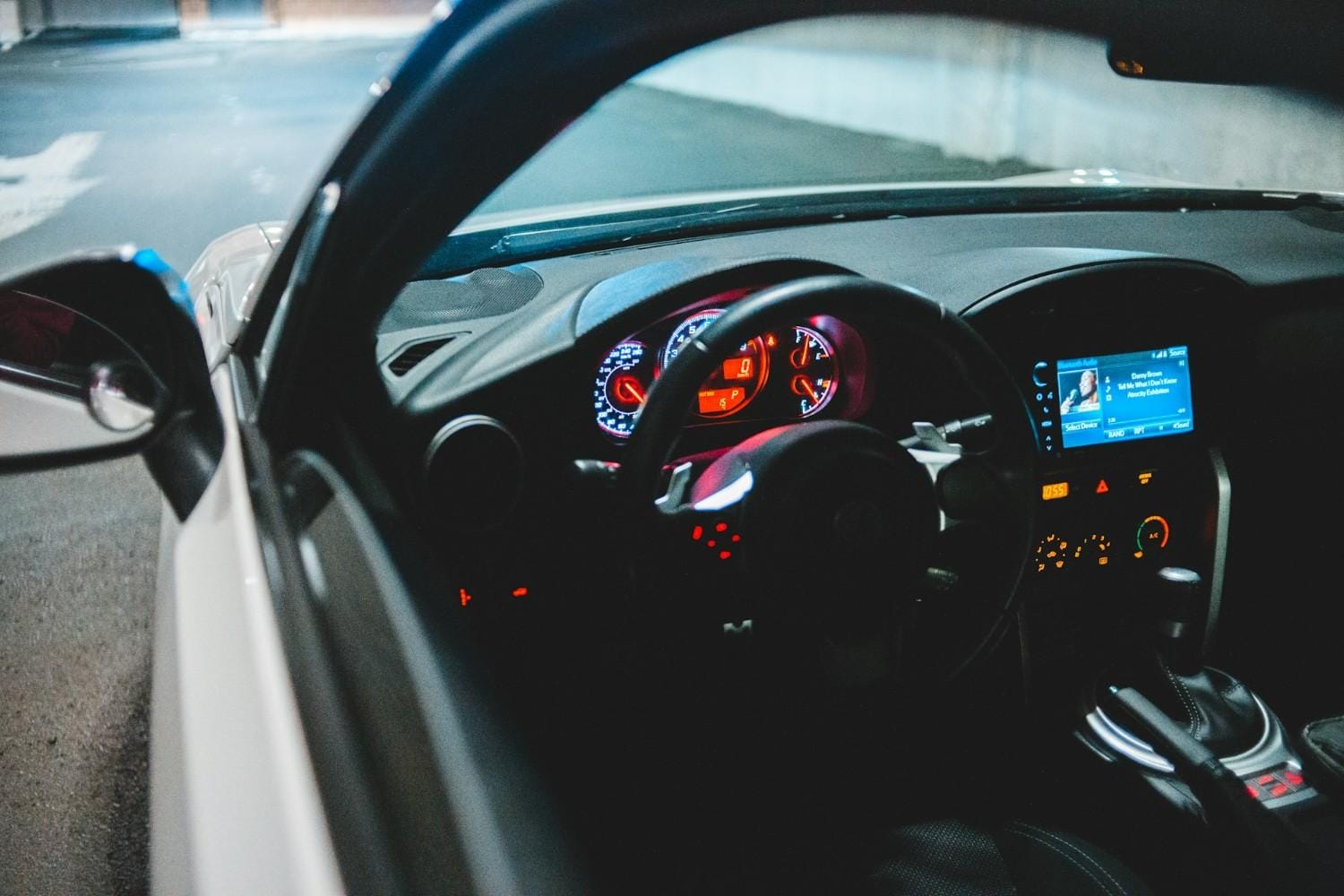
Autonomous vehicles were expected to simplify road safety and make insurance systems more predictable by reducing the role of human error. The idea was straightforward. Automated systems would eliminate distractions, prevent impaired driving, and ultimately reduce the number of crashes on the road. While the logic sounds convincing, real-world deployment has revealed a more complicated picture.
As self-driving and semi-autonomous vehicles move beyond controlled testing and into everyday traffic, accidents have not disappeared. When they occur, determining fault is often far more complex than in conventional crashes. Mechanical components, software decision-making, and human supervision frequently intersect, creating scenarios that traditional insurance models were never designed to address.
Recent reporting across financial, legal, and consumer news outlets shows insurers reassessing how risk is priced and how liability is assigned. It also highlights growing uncertainty over who bears responsibility when advanced vehicle technology is involved in a collision.
Fewer Accidents Doesn’t Mean Simpler Insurance
From a high-level view, autonomous vehicles appear promising for insurers. According to Fortune, widespread adoption of autonomous technology could reduce auto insurance costs by more than 50 percent over time.
The logic is intuitive. Most crashes are caused by human error, and automated systems do not suffer from fatigue, distraction, or impairment. Fewer human mistakes should, in theory, mean fewer accidents and lower claim volumes.
However, a decline in crash frequency does not automatically make insurance simpler. When accidents involve autonomous systems, investigations become far more technical. Insurers may need to examine software logs, sensor calibration, system updates, and decision-making pathways rather than focusing on driver behavior alone.
While the number of claims may fall, each claim can take longer to resolve and cost more to settle. This shift is forcing insurers to rethink underwriting models, policy structures, and how risk is priced in an automated driving environment.
Liability Is Moving Away From Drivers
Traditional auto insurance assumes the driver is responsible. Autonomous technology disrupts that assumption. As reported by Insurance Times, insurers are actively urging regulators to clarify liability rules before self-driving vehicles scale further. The concern is that if no human is actively controlling the vehicle, the fault cannot default to the person sitting in the driver’s seat.
This uncertainty affects real people after real crashes. When responsibility may lie with a manufacturer, software provider, or fleet operator, claims can stall while insurers argue over liability.
In these early years of autonomy, it is often recommended that injured parties speak with a car crash lawyer after a collision. These lawyers help clarify options when fault is disputed or unclear.
They can review vehicle data, software logs, and crash reports, and work with technical experts to determine whether system failure played a role. They also help navigate complex claims involving insurers, manufacturers, and third-party technology providers, TorHoerman Law notes.
These cases frequently involve overlapping insurance policies, product liability questions, and manufacturers disputing responsibility.
Tesla Cases Show How Fault Is Still Contested
Semi-autonomous systems like Tesla’s Autopilot continue to expose how contested liability can be when advanced driver assistance is involved in serious crashes. In a widely reported case covered by The Independent, Tesla pushed back hard against a wrongful-death lawsuit. The case stems from a February 2023 collision on Long Island that killed four people.
The company argued that the driver, Heath Miller, was three times over the legal alcohol limit. It also said he was traveling at nearly 100 mph when his Model Y struck another vehicle. Tesla claimed that Autopilot would not have been engaged at such a high speed.
Tesla submitted official toxicology reports to support its position. The company also relied on crash reconstruction findings to argue that the fatal wreck resulted from reckless behavior rather than any technical failure.
Yet the civil complaint accuses Tesla of exaggerating its system’s capabilities and failing to automatically brake when sensors could have anticipated the crash. This kind of dispute complicates insurance claims, giving carriers added reasons to dig into both human and system factors when assessing fault.
Why Insurers May Still Benefit Financially
Despite these complications, insurers may not lose out in the long run. According to Bloomberg, analysts at Bank of America believe autonomous vehicles could actually improve insurer profitability. The reasoning is counterintuitive but compelling. Personal auto insurance is often a low-margin business. Commercial and product liability insurance, by contrast, tends to be more profitable.
As liability shifts from individual drivers to manufacturers and fleet operators, insurers could see growth in higher-margin commercial policies. Autonomous vehicle fleets, ride-hailing services, and manufacturers may become primary customers, replacing millions of individual policyholders with fewer but more lucrative contracts.
At the same time, repair costs may rise. Autonomous vehicles rely on expensive sensors, cameras, radar, and computing hardware. Even minor collisions can trigger costly repairs, keeping claim values high even if crashes become less frequent.
The Data Problem No One Has Solved Yet
A major challenge in ensuring autonomous vehicles remains unresolved and centers on the availability and reliability of data. As Bloomberg has pointed out in its broader reporting on vehicle automation, there is still no comprehensive, standardized dataset. Such data would be needed to prove that autonomous systems are safer than human drivers across all driving conditions.
Most available data comes from limited pilots, specific geographies, or manufacturer-controlled reporting, which makes broad risk modeling difficult. Without consistent, independent datasets, insurers are forced to price coverage conservatively, assuming uncertainty rather than proven safety gains.
This lack of reliable data also slows innovation in insurance design. Concepts like usage-based pricing, software performance scoring, and system-specific risk models are actively being explored, but they remain experimental. None yet provides the predictability insurers need to fully replace traditional underwriting methods.
Insurers still cannot confidently anticipate how autonomous systems behave in rare but high-risk edge cases. Until they can, premiums are likely to reflect caution rather than confidence.
FAQs
Liability in an autonomous vehicle crash depends on how the system was operating at the time. Responsibility may fall on the driver, the vehicle manufacturer, the software developer, or multiple parties. These cases often involve product liability, insurance disputes, and complex questions about system failure versus human oversight.
The cheapest form of auto insurance is typically liability-only coverage. It meets minimum legal requirements and doesn’t include extras like collision or comprehensive protection. Costs vary by driver history, vehicle, and location, so comparing quotes is key to finding the best price.
Driverless cars are unlikely to fully replace human drivers anytime soon. While autonomous systems can handle specific conditions well, they still struggle with complex, unpredictable environments. For the foreseeable future, human drivers and automated systems will coexist, each handling what they do best.
Overall, the insurance dynamics around autonomous vehicles are no longer theoretical. They are playing out in claims offices, courtrooms, and regulatory hearings. Drivers may see lower premiums over time, but they may also face more complex claims when crashes involve automation. Manufacturers gain more responsibility, but also greater scrutiny. Insurers sit in the middle, balancing optimism about fewer accidents with uncertainty about fault.
What this really means is that the insurance industry is entering a transitional phase. The old model, built around human error, is being replaced by one that must account for machines making decisions on public roads. How quickly that transition stabilizes will depend on clearer liability laws, better data, and realistic expectations about what autonomous systems can and cannot do.