
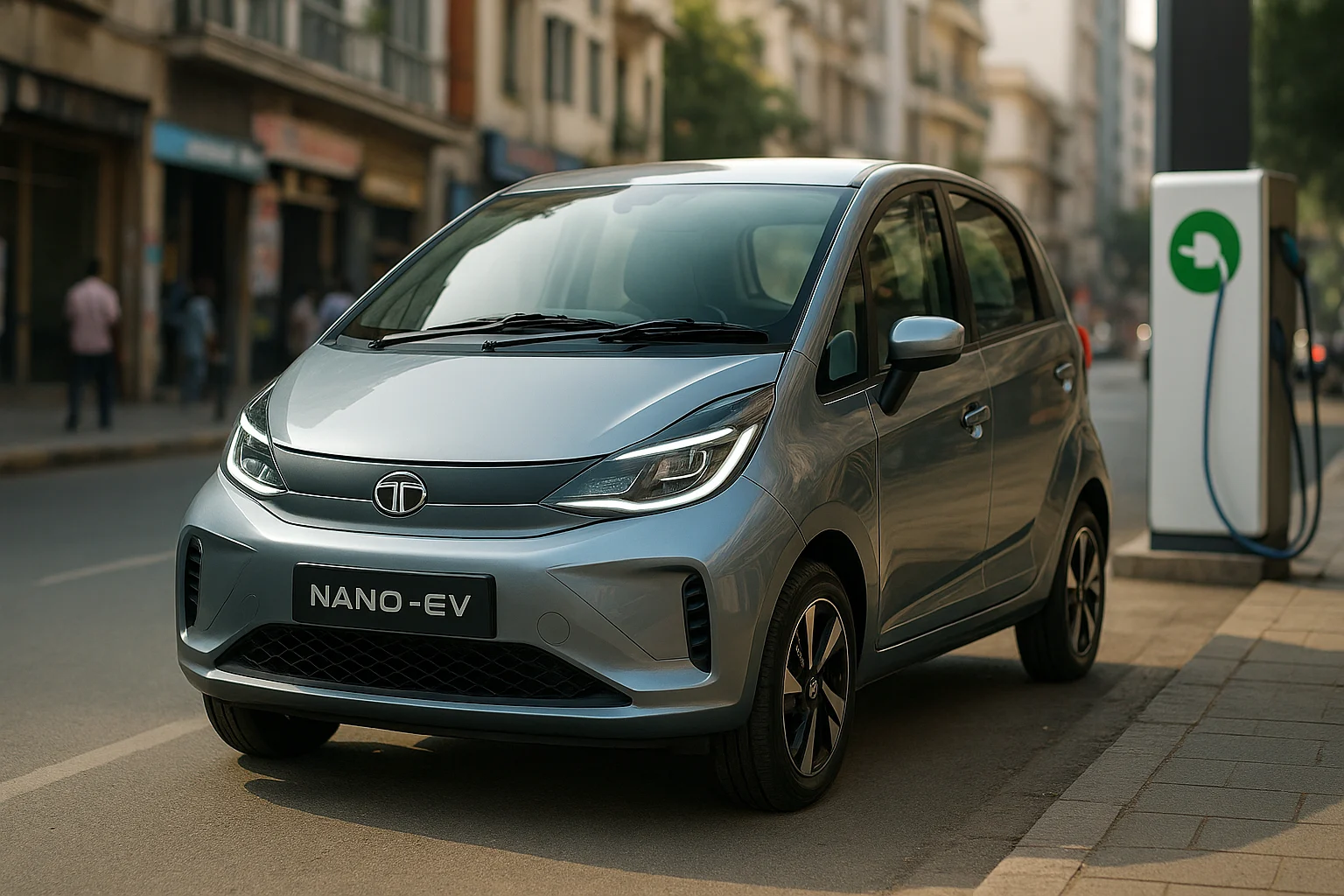
The Tata Nano EV 2026 has become one of the most discussed electric car concepts among budget car buyers in India. Tata Motors, a brand known for affordable and reliable vehicles, is widely expected to explore the possibility of bringing back the Nano name in an electric form. If this happens, it could significantly lower the entry barrier for electric vehicle ownership in India.
With rising fuel prices, increasing environmental awareness, and government support for electric mobility, an affordable electric Nano could play a key role in expanding EV adoption across urban and semi-urban regions.
Latest Update (January 2026)
As of January 2026, Tata Motors has not made any official announcement regarding the launch, specifications, or pricing of the Tata Nano EV. Despite this, the model continues to attract attention due to frequent discussions within the automotive industry and growing public interest.
Several auto analysts believe that Tata Motors may consider launching a low-cost electric hatchback in the future, possibly under the Nano branding, but no confirmation or timeline has been shared by the company so far.
Tata Nano EV 2026 Launch Date in India (Expected)
At present, there is no confirmed launch date for the Tata Nano EV in India. Based on market trends and Tata Motors’ expanding electric vehicle lineup, a potential launch could take place sometime in late 2026, if the project receives final approval.
Such a launch would align with India’s long-term goals of increasing electric vehicle penetration and promoting affordable clean transportation.
| Detail | Expected Information |
| Manufacturer | Tata Motors |
| Vehicle Type | Budget Electric Hatchback |
| Expected Launch | Late 2026 (Speculative) |
| Market Status | Not officially confirmed |
Tata Nano EV 2026 Price in India (Expected)
Price is one of the biggest reasons the Tata Nano EV generates so much interest. Although Tata Motors has not disclosed any figures, many industry observers estimate that the Nano EV could be priced between ₹5 lakh and ₹7 lakh, if it is introduced.
At this price level, the Nano EV could appeal strongly to:
- First-time car buyers
- City commuters
- Budget-focused families
- Buyers shifting from two-wheelers to four-wheelers
If positioned correctly, it could become one of the most affordable electric cars available in India.
Tata Nano EV 2026 Expected Specifications & Features
Since no official technical details are available, the following specifications are based on current EV trends and reasonable expectations for a compact city electric car:
| Feature | Expected Details |
| Battery Capacity | Around 18–25 kWh |
| Driving Range | Approximately 200–250 km |
| Charging Time | 4–5 hours using standard AC charger |
| Top Speed | 75–90 km/h |
| Seating Capacity | 4 passengers |
| Transmission | Single-speed automatic |
| Infotainment | Touchscreen with smartphone connectivity |
| Safety | Dual airbags, ABS, rear parking sensors (expected) |
The Nano EV is likely to focus on efficiency, practicality, and ease of use, rather than performance or long-range touring.
Tata Nano EV 2026 Design and Interior Expectations
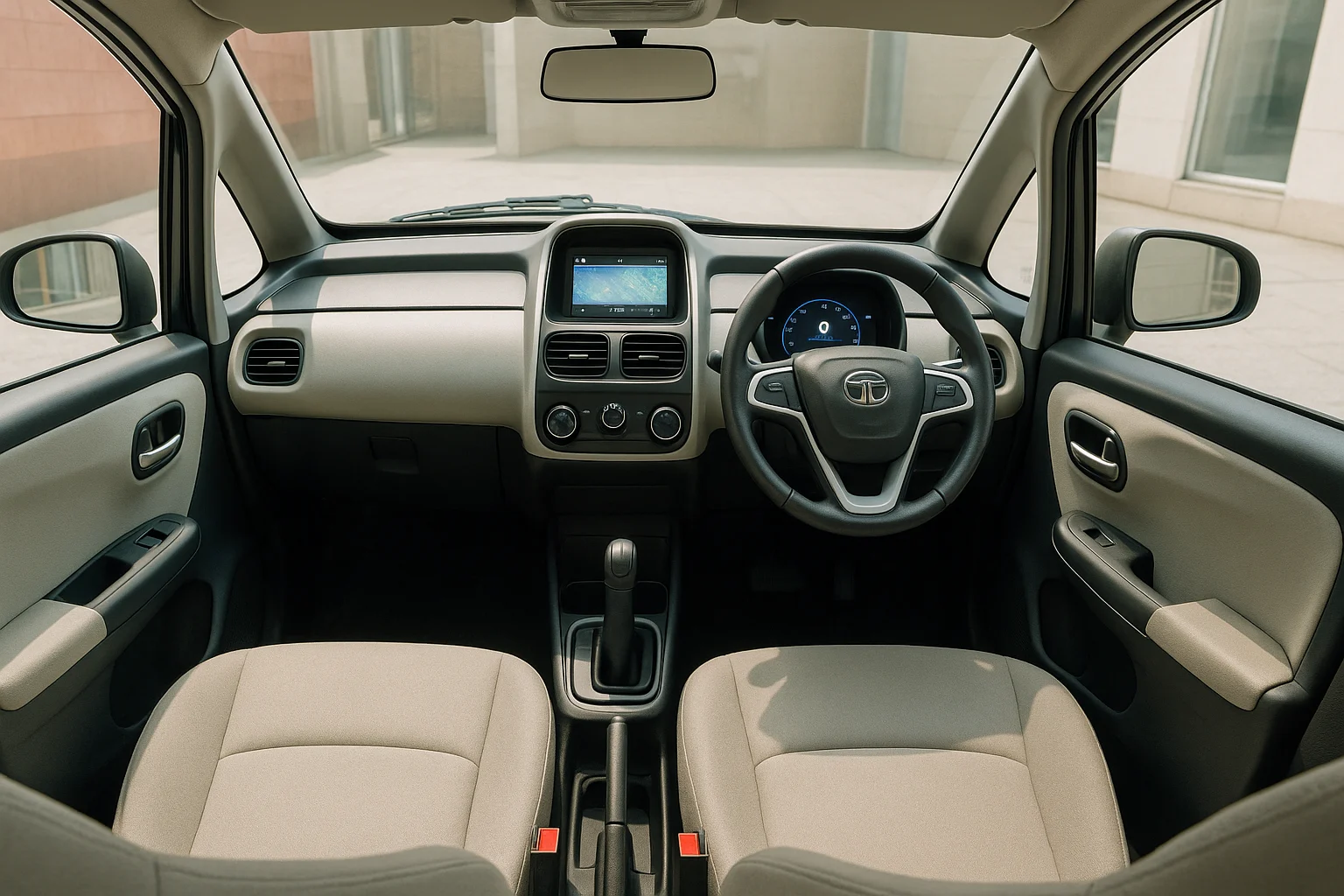
If Tata revives the Nano as an electric car, it is expected to receive a noticeable design update while retaining its compact footprint. Possible design and interior highlights may include:
- A refreshed exterior with smoother body lines
- LED headlamps and modern lighting elements
- Redesigned dashboard with digital displays
- Improved cabin materials compared to the original Nano
- Better space utilization for city driving
The overall design would likely prioritize urban usability and simplicity.
Why the Tata Nano EV Could Impact India’s EV Market
The Tata Nano EV has the potential to influence the affordable EV segment in several ways:
1. Lower Entry Cost
An affordable price could make electric cars accessible to a much wider audience.
2. City-Friendly Size
Its compact dimensions would suit crowded city roads and tight parking spaces.
3. Reduced Running Costs
Electric power means lower energy costs and minimal maintenance compared to petrol cars.
4. Environmentally Responsible Choice
Zero tailpipe emissions support cleaner urban mobility and sustainability goals.
Future Outlook for Tata Nano EV 2026
India’s electric vehicle ecosystem continues to evolve with improved charging infrastructure, better battery technology, and increasing consumer acceptance. If Tata Motors decides to launch the Nano EV, it could attract:
- Daily urban commuters
- Young professionals
- Budget-conscious households
- Environmentally aware buyers
However, until Tata Motors releases an official statement, the Nano EV remains a high-interest concept rather than a confirmed product.
Conclusion
The Tata Nano EV 2026 represents the idea of an affordable electric future rather than a guaranteed launch at this point. While Tata Motors has not confirmed any plans, the strong interest surrounding a low-cost electric Nano highlights the growing demand for practical and budget-friendly EVs in India.
If introduced with the right balance of price, range, and features, the Nano EV could redefine entry-level electric mobility. Until official details are announced, buyers should treat all information as speculative and keep an eye on updates from Tata Motors.
FAQs
No. As of January 2026, Tata Motors has not launched or officially announced the Nano EV.
Industry estimates suggest a possible price range of ₹5 lakh to ₹7 lakh, but this is not confirmed.
If launched, it could provide an estimated driving range of around 200–250 km on a full charge.
The battery capacity could fall between 18 kWh and 25 kWh, based on typical city EV requirements.
Bookings would only open after an official announcement from Tata Motors, which has not happened yet.
For more Information, visit the Tata Motors