
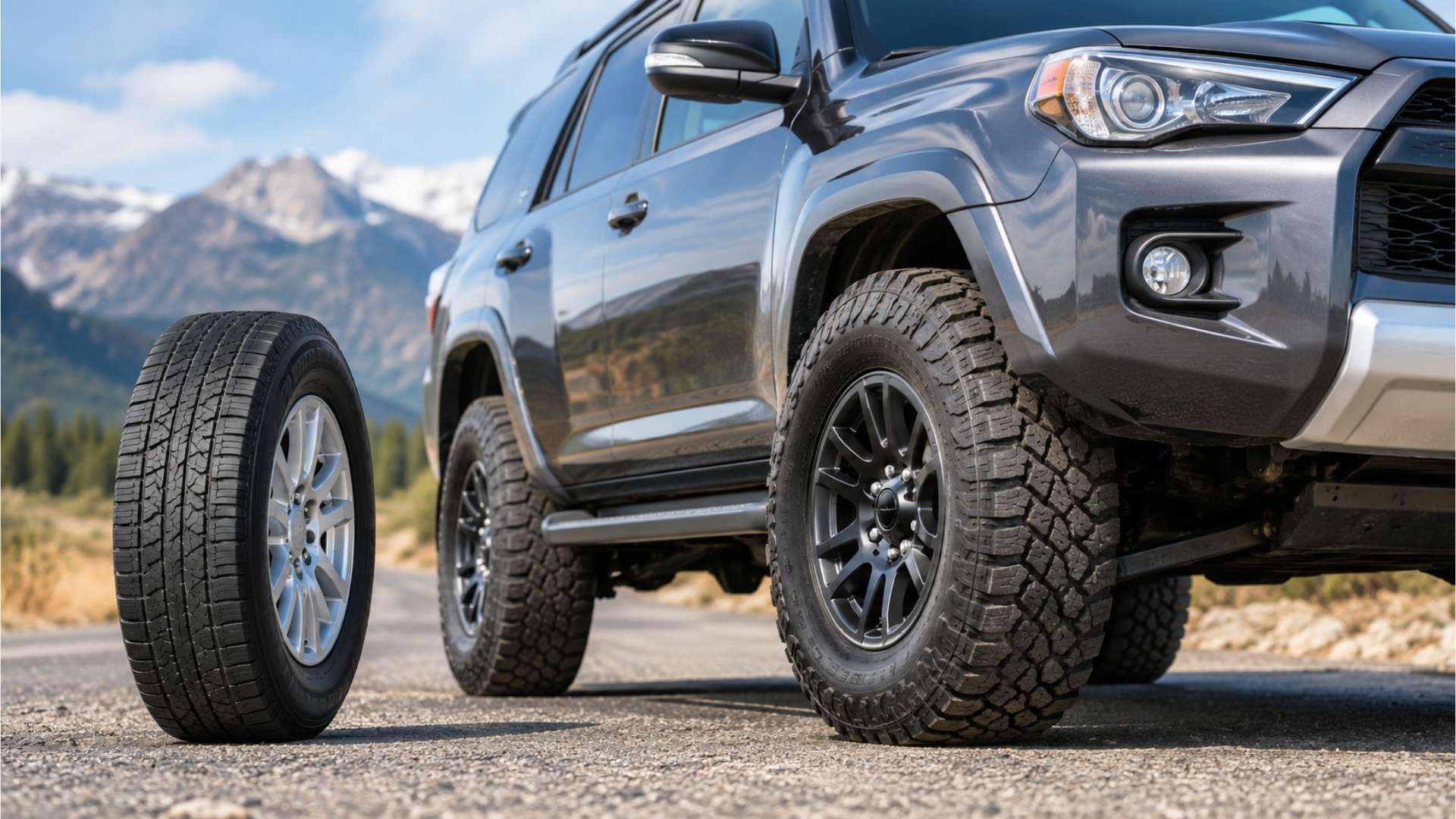
So you’re thinking about upgrading to bigger tires. Maybe you want that aggressive off-road look, or you’re hoping for better ground clearance on your truck. Whatever your reason, it’s worth understanding exactly what changes when you size up. Bigger isn’t always better, and in some cases it can cause more headaches than you’d expect.
Let’s walk through what actually happens to your vehicle when you make the switch, and why it pays to talk to a professional before you commit. If you’re in the area, stopping by a shop that offers Chevrolet Tire Service in Albany NY can save you a lot of trial and error. They’ll know exactly what your specific make and model can handle.
Your Speedometer Will Read Wrong
This one surprises a lot of people. Your speedometer and odometer are calibrated to your factory tire size. When you install larger tires, the wheel covers more ground per rotation. That means your speedometer will show a slower speed than you’re actually going.
It’s not a huge difference if you only go up an inch or so. But go up two or three inches, and you could be driving 5 to 10 mph faster than what your dash says. That’s a real problem if you’re trying to stay within the speed limit. Some shops can recalibrate your speedometer electronically, so ask about that if you’re making a significant size jump.
Your Ride Quality Will Change
Bigger tires often mean a different ride feel. This isn’t always bad. It depends on what you pair with the new tires.
- Taller tires with more sidewall can actually soften the ride a bit, since there’s more air cushioning each bump.
- Wider tires with stiffer sidewalls can make the ride feel firmer and more responsive.
- Heavier tires add unsprung weight, which can make your suspension work harder.
You’ll notice the difference most on rough roads or potholes. Pay attention to how your vehicle handles after the swap. If it feels harsh or bouncy, your tire pressure and suspension setup might need adjusting.
Handling and Braking Get Affected
This is where things get a little more serious. Bigger tires change your vehicle’s handling characteristics, sometimes for the better, sometimes not.
Wider tires generally improve grip and cornering, since there’s more rubber on the road. That’s part of why people like them. But taller tires raise your center of gravity, which can make your vehicle feel less stable in sharp turns. It can also lead to more body roll.
Braking distance can increase too. Bigger, heavier tires take more energy to slow down. Your brakes were designed around a certain tire size and weight. Pushing past that without upgrading your brake system can mean longer stopping distances, especially in wet or icy conditions.
Fuel Economy Usually Takes a Hit
This one’s pretty straightforward. Bigger tires are heavier and create more rolling resistance. Your engine has to work harder to keep them spinning. That means your fuel economy will likely drop.
How much depends on the size increase and your driving habits. Some people notice a small dip, maybe a mile or two per gallon. Others see a more noticeable change, especially with aggressive off-road tread patterns that create extra drag. If gas mileage is a priority for you, this is something to factor into your decision.
You Might Need Other Modifications Too
Bigger tires rarely work in isolation. Once you go up in size, other parts of your vehicle might need attention as well.
Here’s what often comes up:
- A leveling kit or lift kit, especially if you’re going up significantly in height.
- Wheel spacers, to prevent rubbing against the fender or suspension components.
- Re-gearing your differential, particularly on trucks and SUVs, to compensate for the added rotational mass.
- Fender trimming, if your tires start rubbing during turns or when the suspension compresses.
Skipping these steps can lead to tire rub, premature wear, or even damage to your wheel wells. It’s not just about fitting bigger tires on. It’s about making sure everything works together.
Your Warranty Could Be a Concern
If your vehicle is still under warranty, this matters. Some manufacturers consider aftermarket tire and suspension modifications outside the scope of normal use. That doesn’t always void your entire warranty, but it can complicate things if something breaks down the road.
Always check your owner’s manual or ask your dealership about how modifications affect coverage. It’s better to know upfront than to find out the hard way when you need a repair covered.
Tread Wear Can Be Uneven
Bigger tires put different stresses on your suspension and alignment. If your alignment isn’t adjusted after the swap, you might notice uneven wear patterns showing up faster than usual.
This is especially true if you’ve also lifted your vehicle. The angles change, and your tires can start wearing on the inside or outside edges. Regular alignment checks become even more important once you’ve gone up in size. It’s a small step that can extend the life of your investment significantly.
Steering Can Feel Heavier
Bigger and heavier tires often mean more resistance for your steering system. You might notice the wheel feels harder to turn, especially at low speeds like parking lot maneuvers.
Power steering systems are usually built to handle a certain range of tire sizes. Push past that range and you could feel the strain. Some people upgrade their power steering pump or fluid to compensate. It’s worth test driving after the installation to see how it feels before deciding if further upgrades are needed.
Is It Worth It?
Honestly, it depends on your goals. If you want better off-road capability, more aggressive styling, or improved ground clearance, bigger tires can deliver that. Just go in with realistic expectations about the trade-offs.
Talk to a tire professional before making the jump. They can walk you through sizing options that won’t overwhelm your vehicle’s systems, and they’ll help you avoid unnecessary repairs down the line. A little research now saves a lot of frustration later, and it keeps your ride safe, smooth, and ready for whatever you’re planning to do with it.