
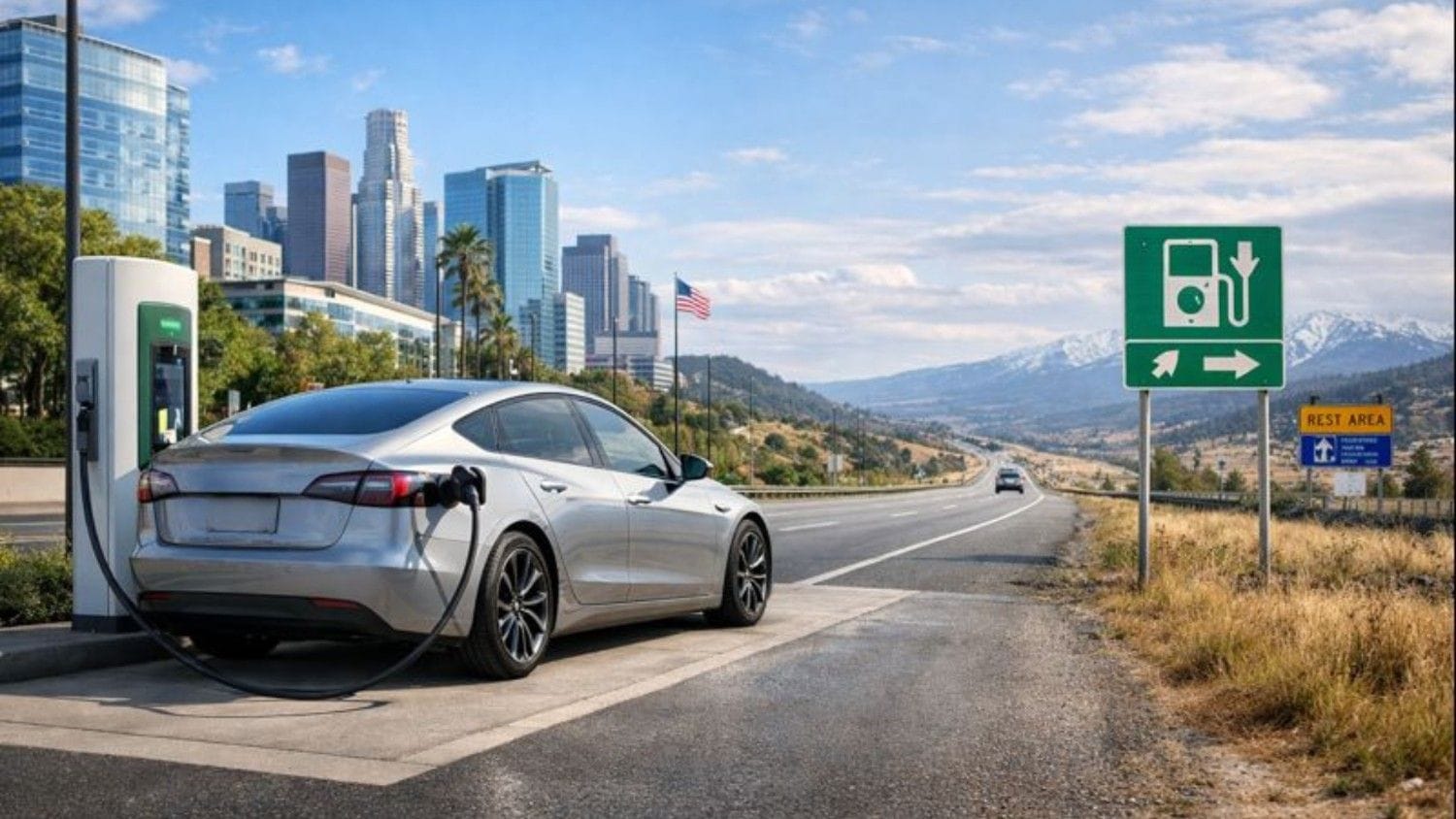
Electric vehicles (EVs) are becoming a mainstream choice in the United States. With rising gas prices, federal tax credits, expanding charging infrastructure, and strong state-level incentives, more Americans are considering electric cars than ever before.
However, EV ownership in the U.S. comes with unique advantages and challenges that depend on driving habits, geography, climate, and charging access.
This guide explains the real advantages and disadvantages of electric vehicles in the USA, using U.S.-specific data, regulations, and use cases.
Why Electric Vehicles Are Growing Rapidly in the USA
The U.S. EV market is expanding due to:
- Federal EV tax credits up to $7,500
- State incentives in California, New York, Texas, and Washington
- Rising gasoline prices
- Strong charging network growth
- Increased availability of EV models across segments
Still, EV adoption varies widely between urban vs rural America and warm vs cold states.
Advantages of Electric Vehicles in the USA
1. Federal and State Tax Incentives
One of the biggest EV advantages in the USA is financial incentives.
Federal benefits:
- Up to $7,500 EV tax credit (Inflation Reduction Act)
- Credits apply to new and used EVs (eligibility-based)
State benefits may include:
- Additional rebates ($1,000–$5,000)
- Reduced registration fees
- HOV lane access
- Free or discounted parking
These incentives significantly reduce the effective purchase price.
2. Lower Fuel Cost Compared to Gasoline
Electricity is cheaper than gasoline in most U.S. states.
Average cost per mile:
- EV: ~$0.03–$0.05
- Gas car: ~$0.12–$0.15
With Americans driving 13,500 miles per year on average, EV owners save hundreds to thousands of dollars annually.
3. Expanding Charging Infrastructure Across the USA
The U.S. now has over 170,000 public charging ports, including:
- Interstate highway fast chargers
- Retail parking lots
- Workplace charging
- Apartment and condo installations
Federal infrastructure funding is accelerating charger deployment in all 50 states.
4. Lower Maintenance Costs for American Drivers
EVs eliminate many traditional maintenance items:
- No oil changes
- No spark plugs
- No transmission repairs
- Less brake wear (regenerative braking)
This is especially valuable in the U.S., where labor costs for auto repair are high.
5. Ideal for Daily Commuting in the USA
Most Americans drive under 40 miles per day.
Modern EVs easily cover:
- Daily commutes
- School runs
- City errands
- Suburban driving
Home charging makes EVs extremely convenient for U.S. households with garages.
6. Cleaner Air and Reduced Urban Pollution
EV adoption helps reduce:
- Smog in major cities
- Respiratory health risks
- Noise pollution
This is particularly impactful in large metro areas like Los Angeles, New York, and Chicago.
Disadvantages of Electric Vehicles in the USA
1. Higher Purchase Price Than Gas Cars
Even with incentives, EVs often cost more upfront.
- Battery costs remain high
- Limited budget EV options under $30,000
- Pickup trucks and large SUVs are especially expensive
This affects affordability for middle-income buyers.
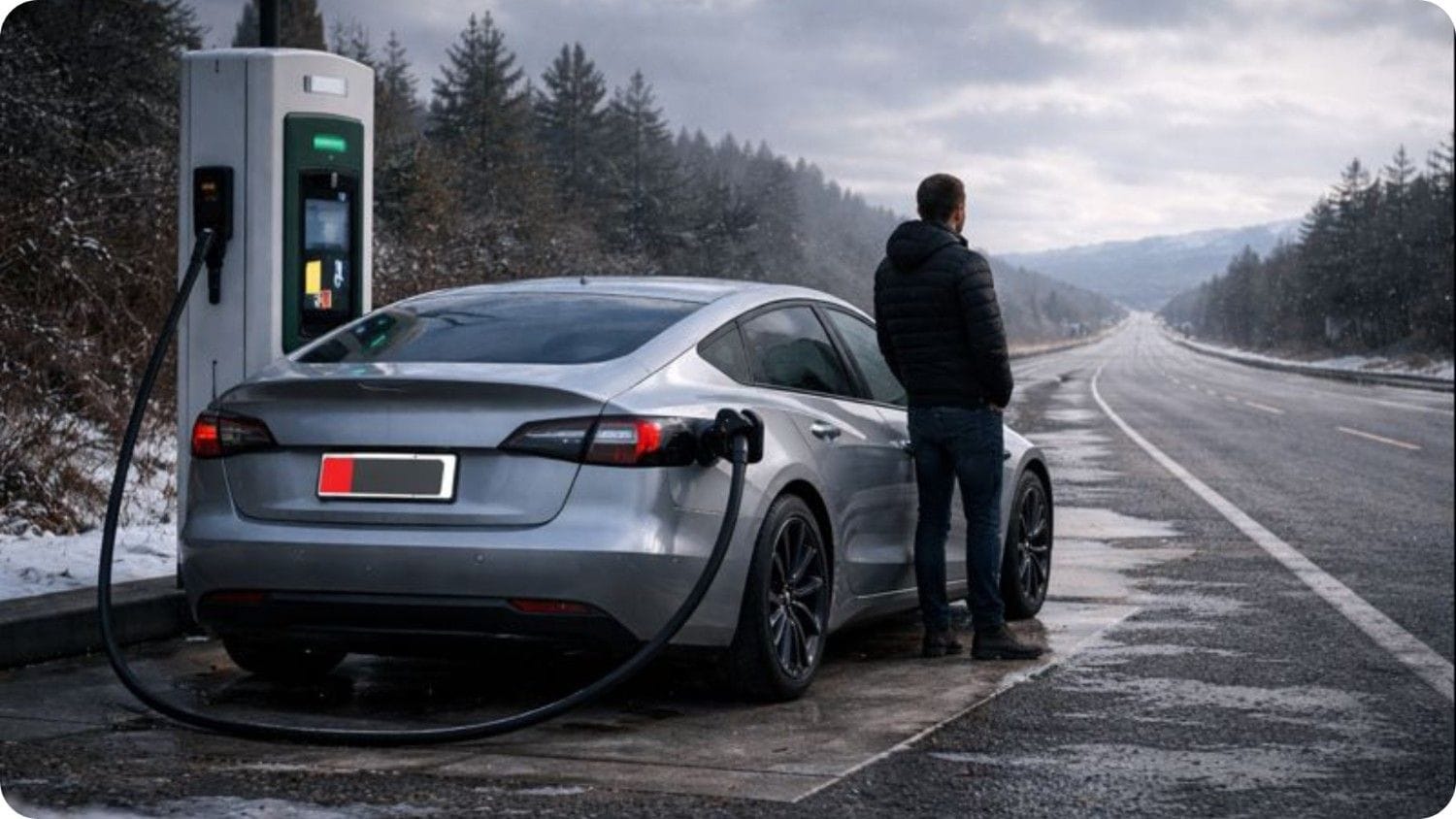
2. Charging Challenges in Rural America
EV ownership is harder in:
- Rural areas
- Small towns
- Remote highways
Limited fast-charging availability can make long-distance travel inconvenient.
3. Cold Weather Range Reduction in Northern States
Cold climates in states like:
- Minnesota
- Michigan
- New York
- Colorado
can reduce EV range by 10–30% due to battery chemistry and cabin heating.
4. Longer Road Trip Planning
Charging stops take longer than refueling.
- Fast charging: 30–45 minutes
- Gas refueling: 5 minutes
Road trips require careful route planning, especially outside major metro corridors.
5. Battery Replacement Cost
EV batteries are reliable but expensive.
- Typical lifespan: 8–15 years
- Replacement cost: $5,000–$15,000+
Most U.S. EVs include 8-year battery warranties, reducing risk.
EVs vs Gas Cars in the USA (Comparison Table)

| Factor | Electric Vehicle | Gasoline Vehicle |
| Fuel Cost | Very Low | High |
| Maintenance | Low | Moderate–High |
| Emissions | Zero Tailpipe | High |
| Purchase Price | Higher | Lower |
| Road Trips | Planning Needed | Easy |
| Urban Driving | Excellent | Average |
Are Electric Vehicles Worth It for Americans?
Electric vehicles are worth it in the USA if you:
- Drive mainly in cities or suburbs
- Have access to home or workplace charging
- Want lower long-term costs
- Qualify for tax credits
- Care about environmental impact
They may not be ideal if you:
- Live in rural areas with limited chargers
- Frequently tow heavy loads
- Drive long distances daily without charging access
Future of Electric Vehicles in the USA
The U.S. EV market will continue growing due to:
- Federal infrastructure investment
- Declining battery prices
- More affordable EV models
- Strong state-level clean energy policies
Within the next decade, EVs are expected to become cost-competitive with gas vehicles without incentives.
Final Conclusion
Electric vehicles offer major cost, environmental, and convenience advantages for many Americans, especially urban and suburban drivers. However, charging access, climate, and driving patterns still matter.
For the right U.S. user, EVs are already the smarter long-term choice.
FAQs
Over time, yes. EVs cost more upfront but are cheaper to fuel and maintain in the U.S.
Yes. Many EVs qualify for up to $7,500 in federal tax credits, plus state incentives.
Yes. Most U.S. EV owners charge overnight using a Level 2 home charger.
Yes, but they require charging stops and route planning, especially in rural areas.
Most EV batteries last 8–15 years and are designed to handle U.S. weather conditions.
Yes. Cold weather can reduce range by 10–30%, depending on conditions.
Yes. EVs have fewer mechanical parts and generally show high reliability.
Yes. Electricity is cheaper per mile than gasoline in most U.S. states.