
Mechanical engineering is evolving faster than ever, powered by breakthroughs in AI, automation, renewable energy, advanced materials, and robotics. By 2035, the world will see revolutionary machines and technologies that will reshape transportation, manufacturing, healthcare, construction, and daily life.
In this blog, we explore the top 10 mechanical engineering inventions that are expected to transform the world by 2035.
1. Self-Healing Machines and Robotics

One of the most exciting future inventions is self-healing machines. These machines will use self-repairing materials that can automatically fix cracks, scratches, or structural damages without human intervention.
How it works:
- These materials contain microcapsules filled with healing agents.
- When damage occurs, the capsules burst and repair the affected area.
Impact:
- Extended lifespan of machines
- Reduced maintenance cost
- Industrial systems with near-zero downtime
- Robots capable of repairing themselves
This invention will redefine smart mechanical systems and industrial reliability.
2. Hyperloop Transportation Systems
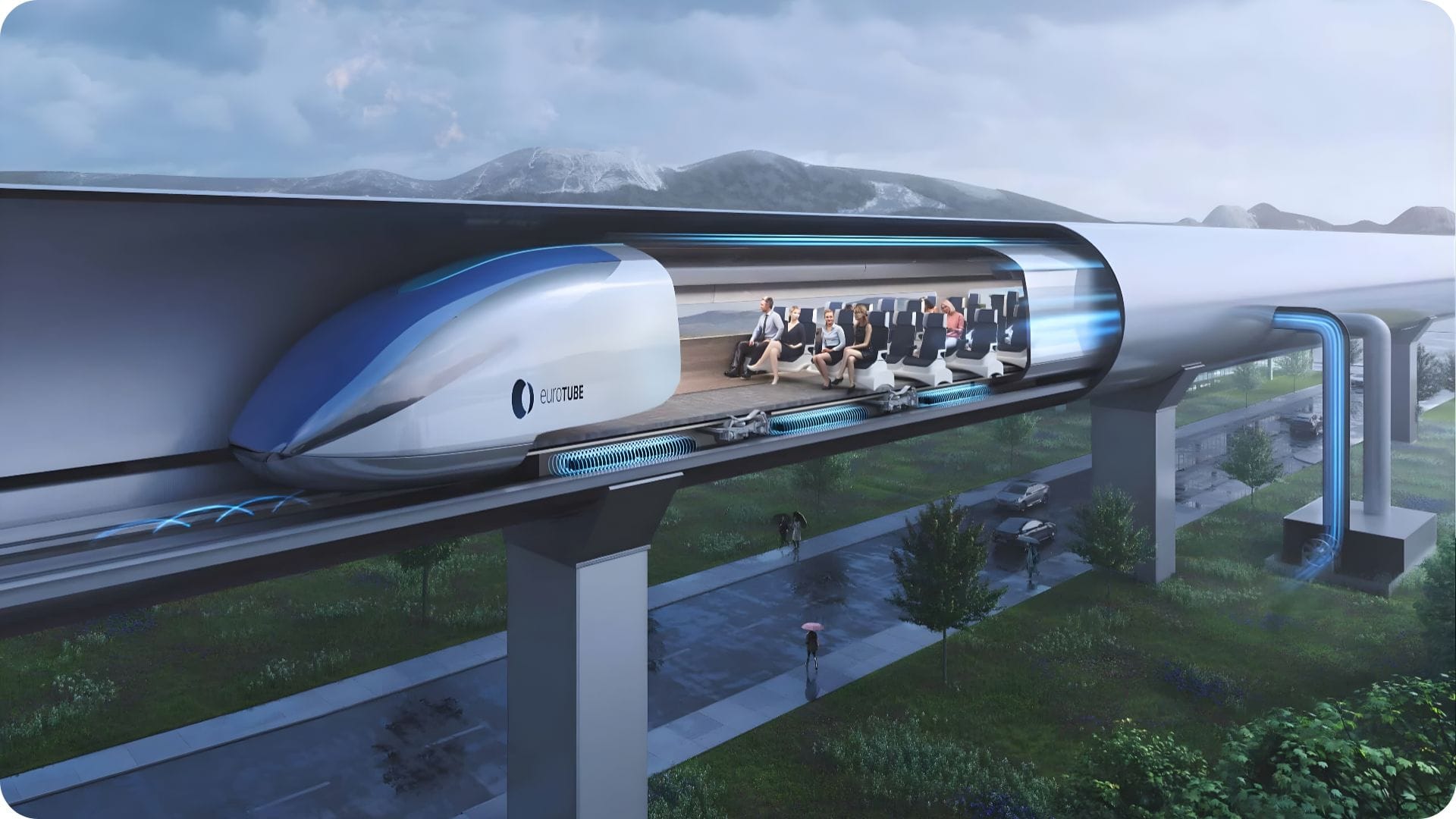
The Hyperloop represents the future of super-fast, sustainable transportation. Using vacuum tubes and magnetic levitation, Hyperloop pods can achieve speeds of over 1000 km/h, making long-distance travel incredibly fast.
Why it’s a mechanical engineering marvel:
- Requires advanced fluid dynamics and vacuum control
- Uses high-precision magnetic levitation
- Involves vibration, thermal, and structural optimization
Expected impact by 2035:
- 80% faster city-to-city travel
- Reduced traffic congestion
- Lower CO₂ emissions
- High-speed cargo transport
3. AI-Powered Autonomous Factories (Industry 5.0)
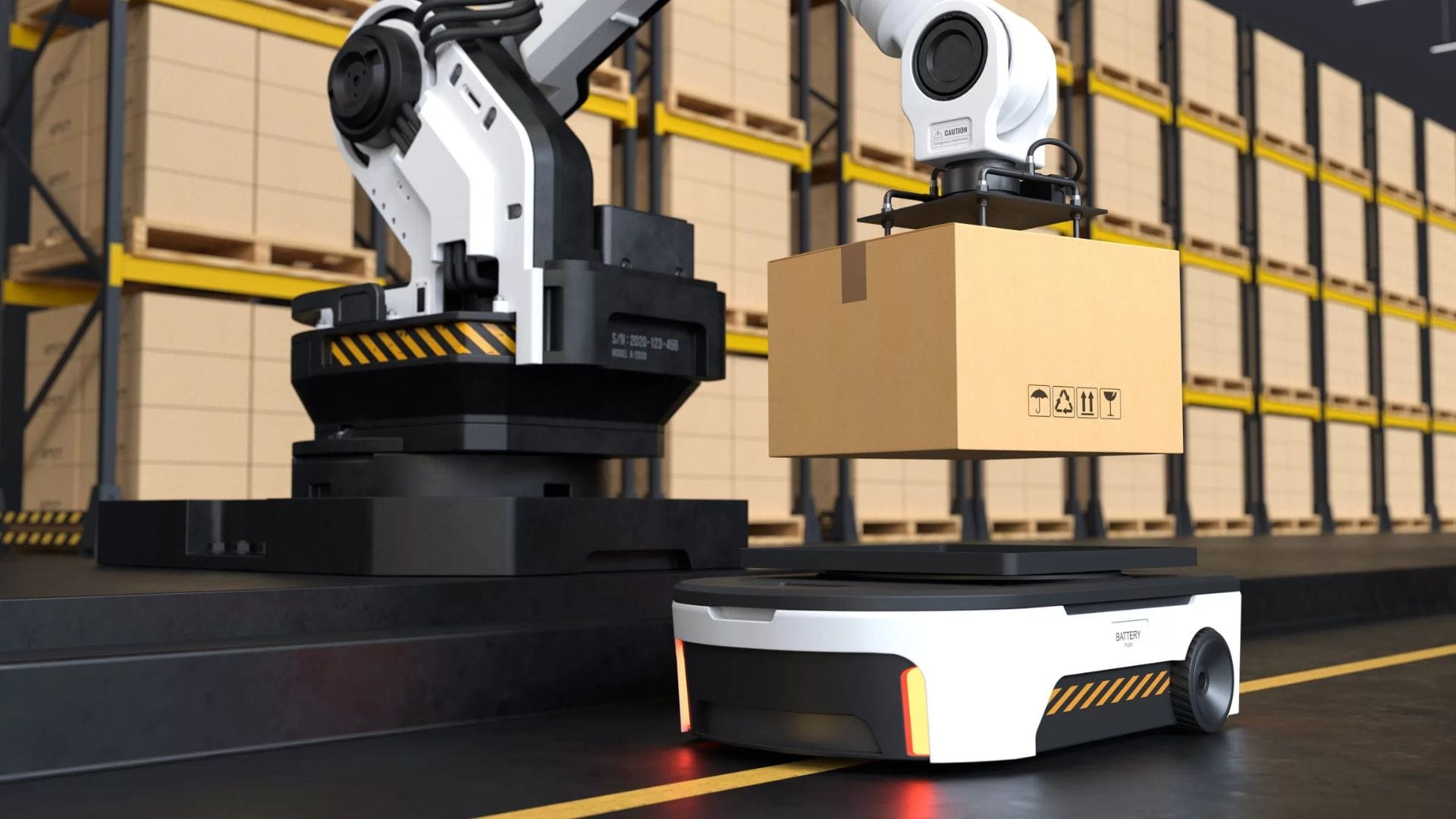
By 2035, mechanical engineering and AI will merge to create fully autonomous factories.
Key innovations include:
- Intelligent robotic arms
- Automated CNC machines
- Smart quality control systems
- Predictive maintenance using IoT sensors
Impact:
- Near-zero production errors
- 10× improved manufacturing speed
- Lower production costs
- Optimized human-robot collaboration
These Industry 5.0 factories will combine human creativity with machine precision.
4. Hydrogen-Powered Engines
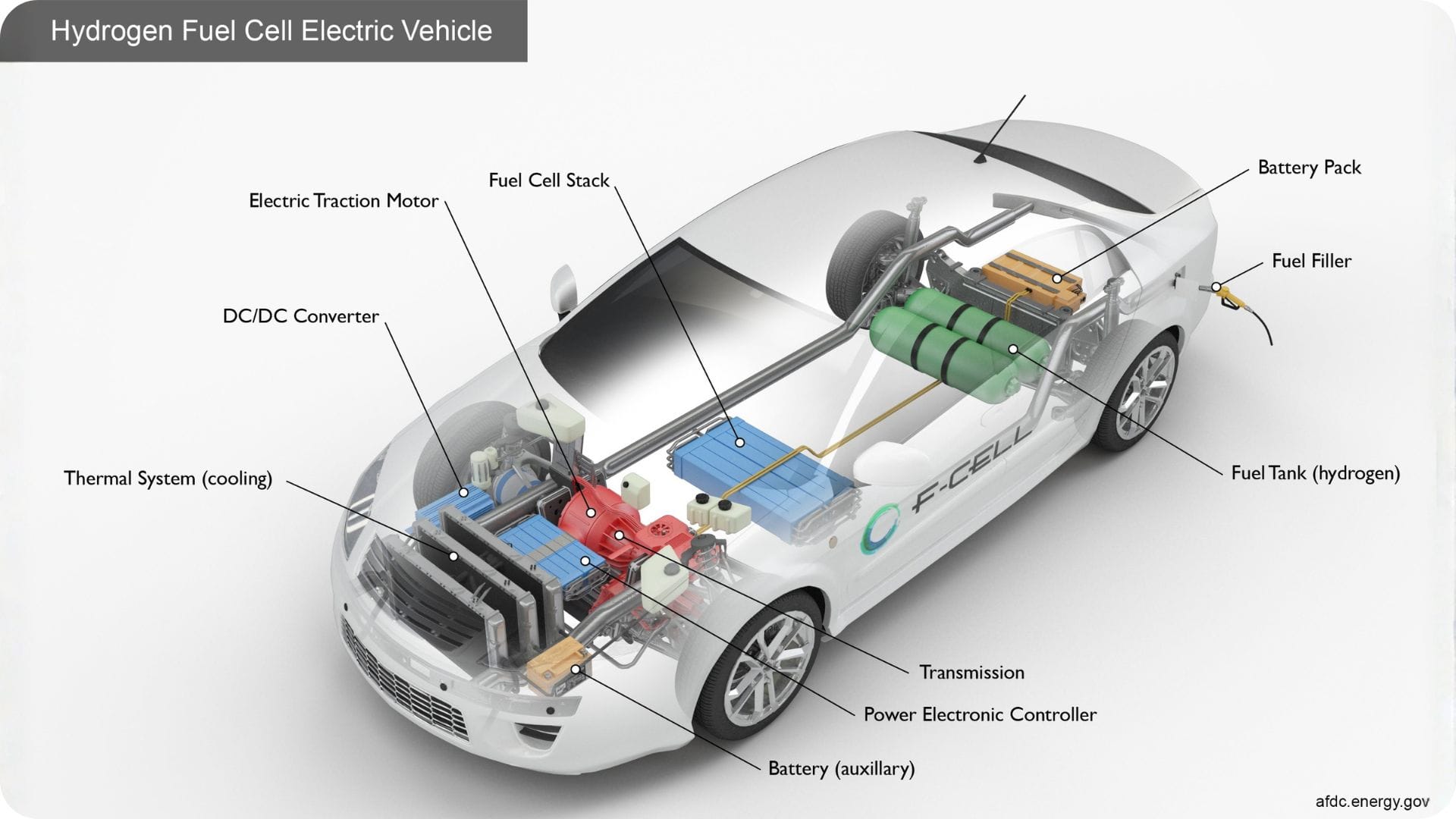
Hydrogen engines will become a major alternative to traditional fuels by 2035. Hydrogen offers zero emissions, high energy efficiency, and lightweight storage.
Hydrogen will power:
- Aircraft
- Heavy trucks
- Ships
- Power plants
- Hybrid engines
Benefits:
- No carbon emissions
- High combustion efficiency
- Energy-dense fuel
- Ideal for long-distance transport
Hydrogen engines may even outperform battery EVs in heavy-duty applications.
5. 3D-Printed Buildings and Mechanical Components
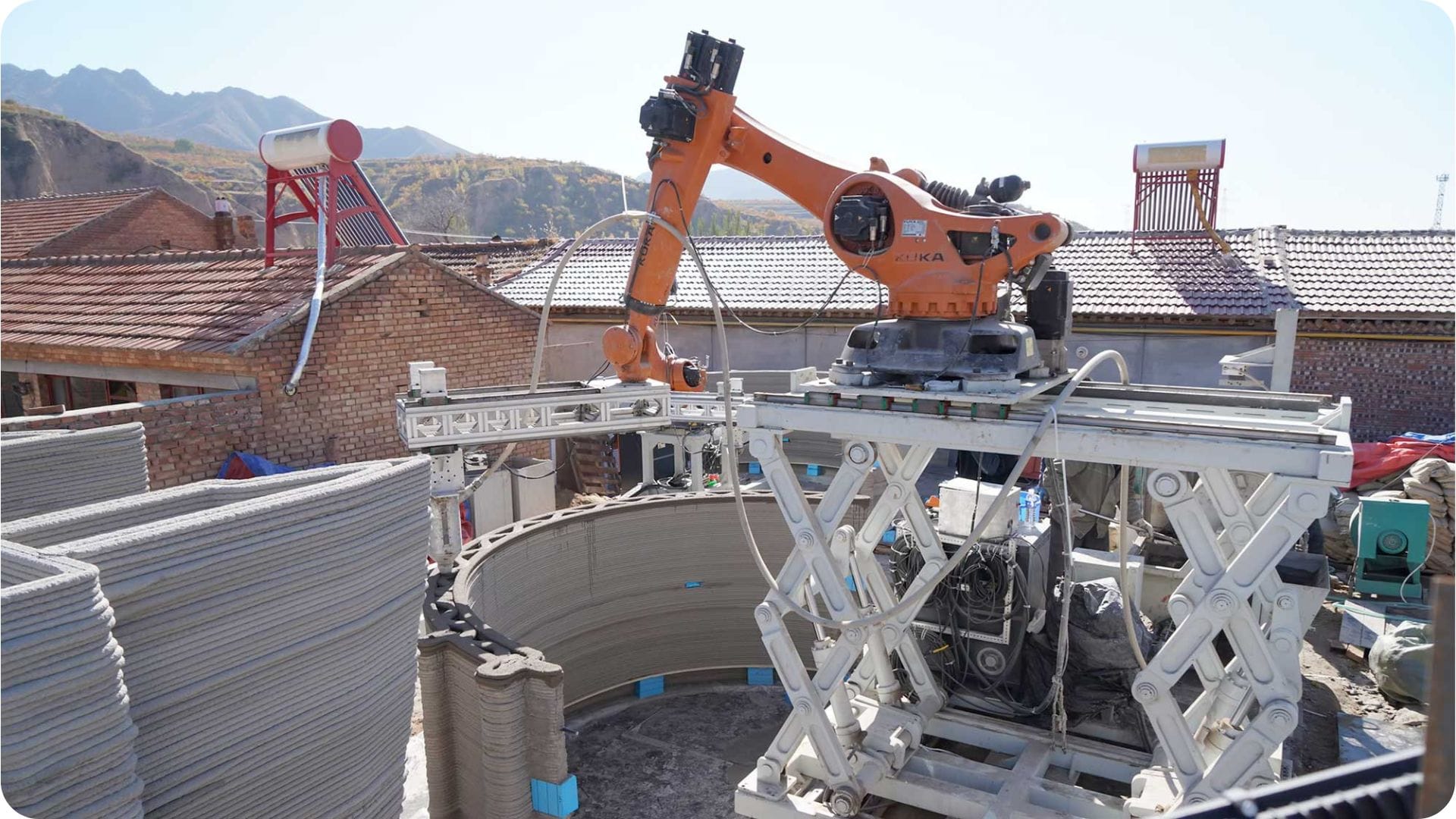
Large-scale additive manufacturing will revolutionize construction and mechanical design. Future construction robots will print entire houses in 48 hours or less.
Mechanical contributions:
- High-strength concrete extruders
- Robotic gantry systems
- Thermal stress control in printed structures
- Precision motion systems
Impact:
- Affordable housing
- Faster infrastructure development
- Reduced material waste
- Custom mechanical components on demand
This will drastically change architecture, engineering, and urban development.
6. Quantum-Enhanced Mechanical Sensors
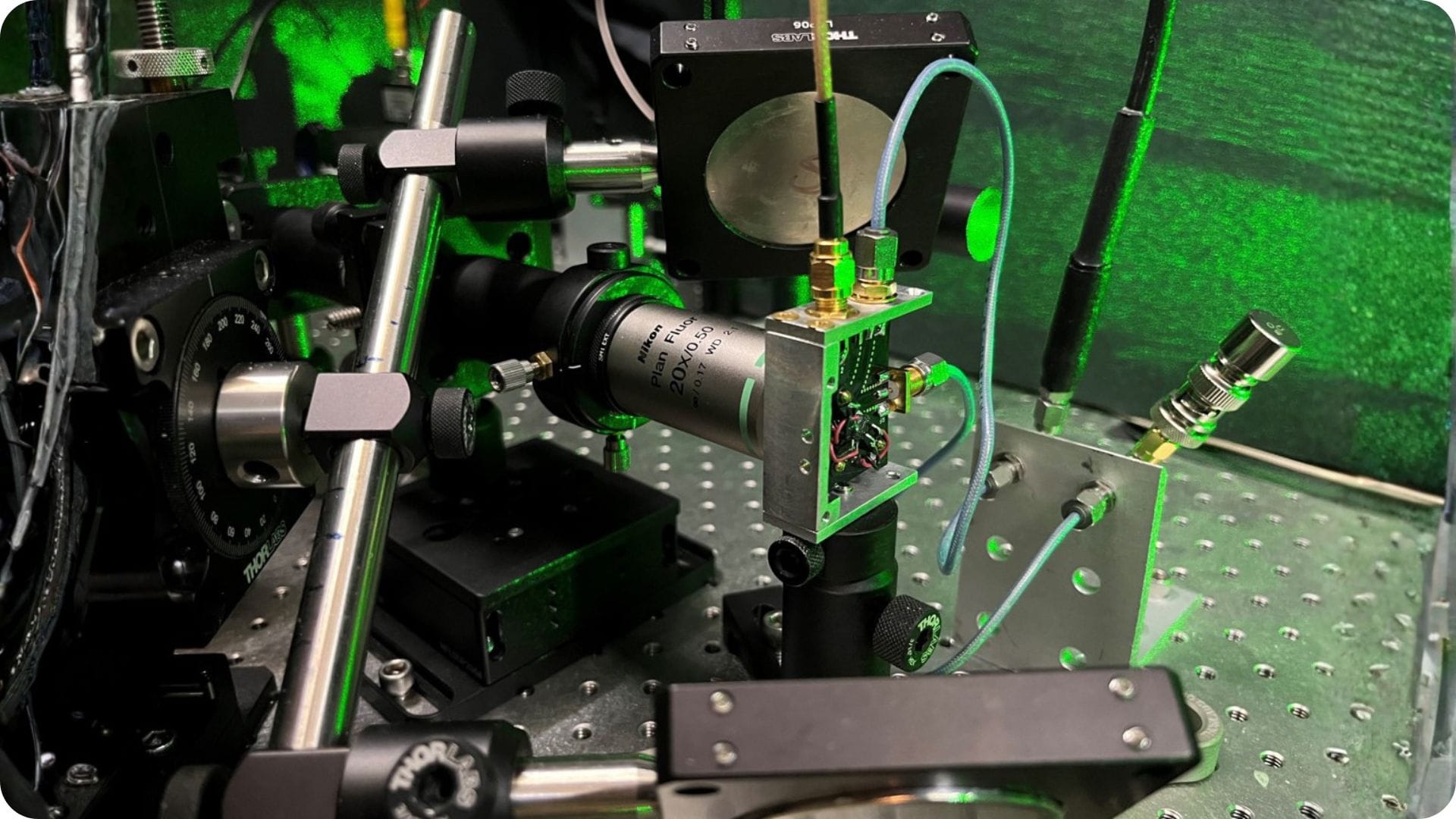
Quantum mechanics is stepping into mechanical engineering through ultra-precise sensors.
Expected capabilities:
- Detect nanometer-level vibrations
- Measure ultra-low pressure differences
- Improve motion tracking accuracy
- Enable highly sensitive medical devices
Applications:
- Aerospace navigation
- Earthquake prediction
- Autonomous vehicles
- Robotics and surgery
These sensors will unlock unheard precision in machine control and diagnostics.
7. Smart Exoskeleton Suits
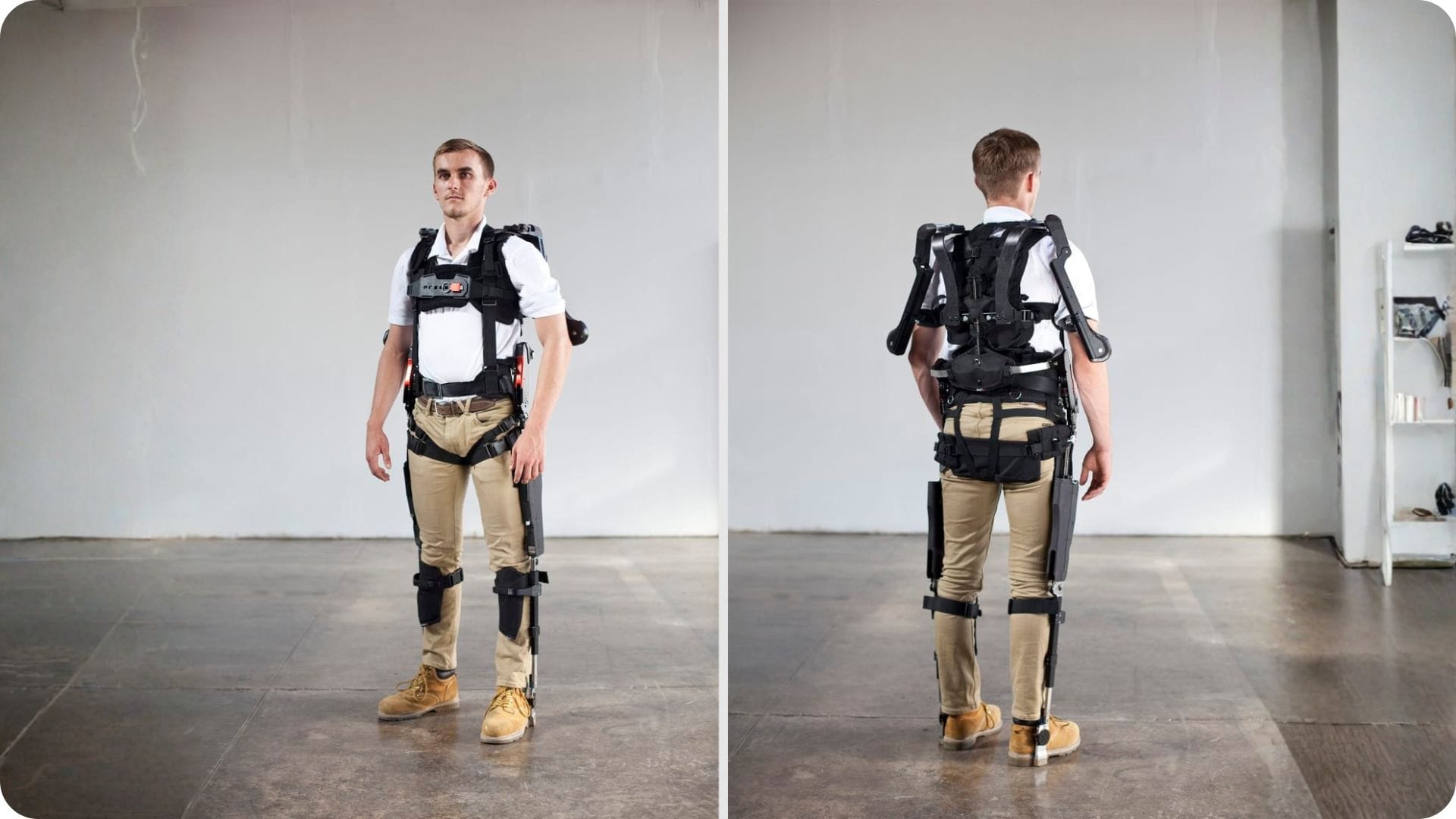
By 2035, robotic exoskeleton suits will be widely used in industries, hospitals, and the military.
Features:
- Lightweight carbon-fiber frame
- Brushless motor actuation
- Adaptive torque control
- AI-driven movement prediction
Applications:
- Assisting paralyzed patients
- Reducing workplace injuries
- Enhancing soldier endurance
- Helping workers lift heavy loads
This invention will improve human strength, mobility, and safety.
8. Next-Generation Ultra-Efficient Turbines
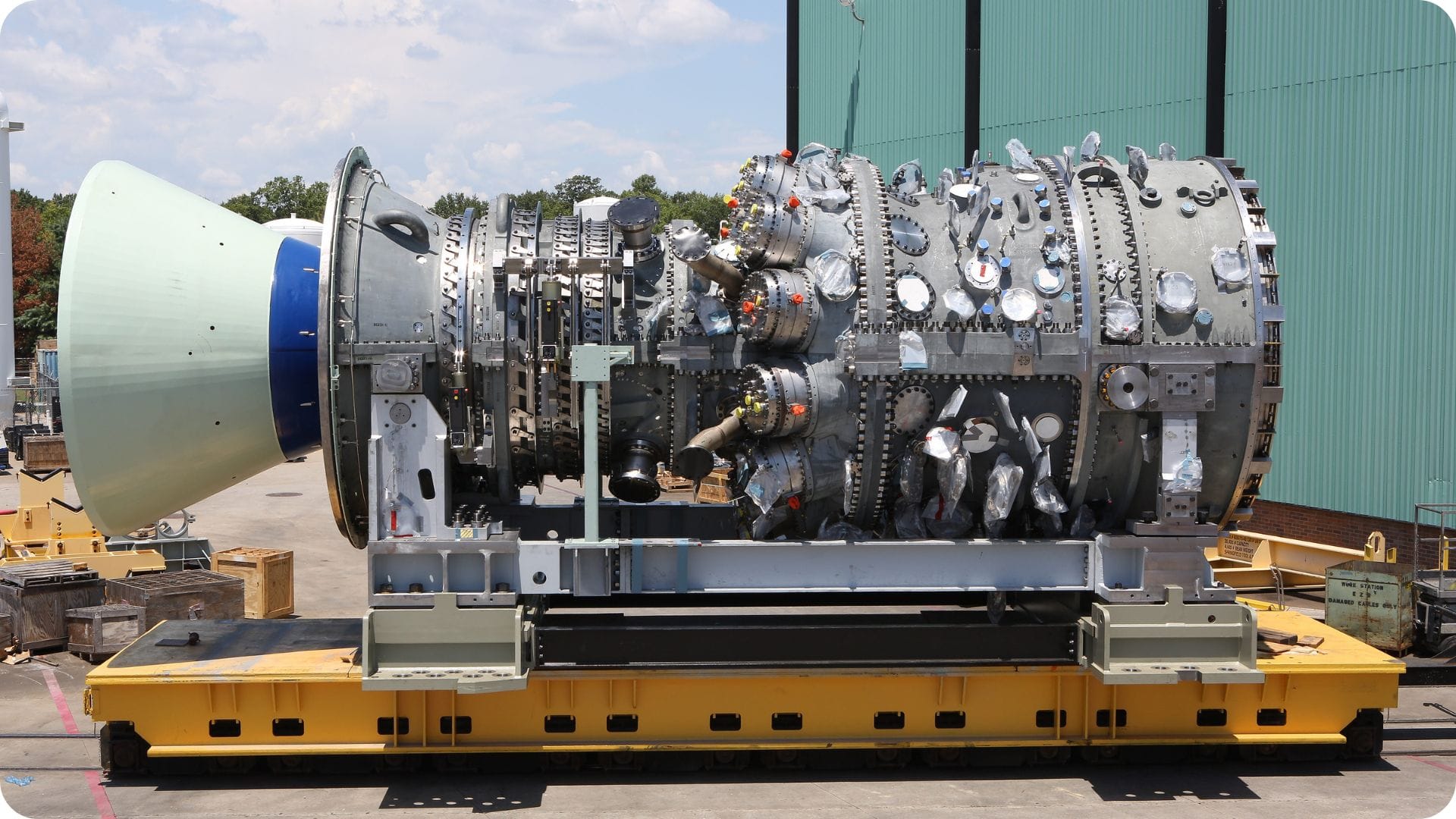
Mechanical engineers are working on ultra-high-efficiency turbines for energy and aviation.
Future innovations:
- Ceramic matrix composite turbine blades
- Supercritical CO₂ cycle turbines
- Low-drag aerodynamic designs
- Active cooling systems
Impact:
- Reduced energy production costs
- More efficient jet engines
- Cleaner power plants
- Greater renewable energy output
These turbines will make energy cleaner and more affordable.
9. Soft Robotics for Medicine and Industry
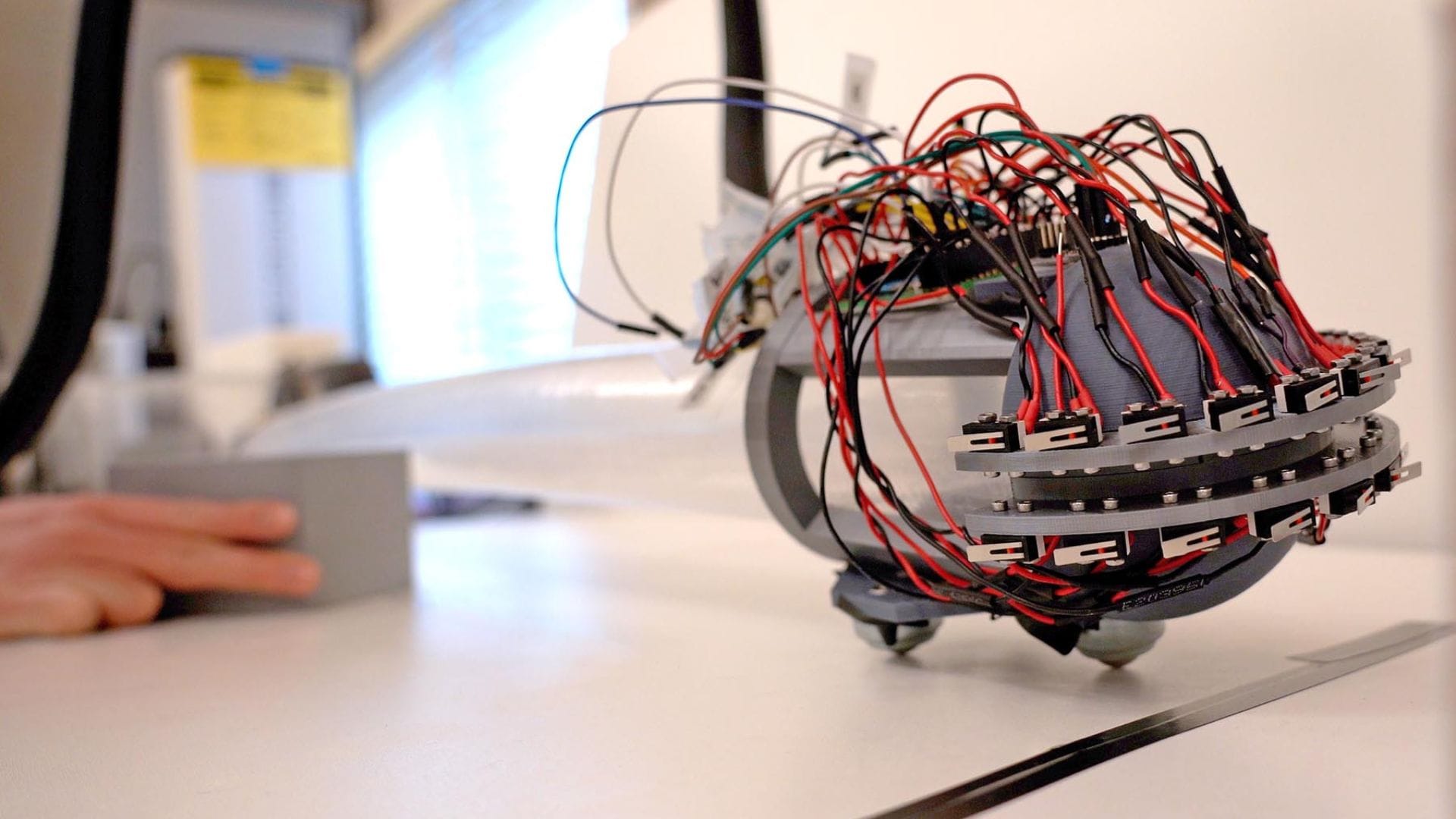
Soft robotics uses flexible, muscle-like materials instead of rigid metal frames. By 2035, soft robots will be common in healthcare and industrial environments.
Mechanical features:
- Pneumatic soft actuators
- Shape-memory alloys
- Bio-inspired materials
- Flexible grippers
Applications:
- Minimally invasive surgery
- Elderly care and rehabilitation
- Handling fragile objects
- Hazardous material manipulation
Soft robots are safer, adaptable, and ideal for delicate operations.
10. Autonomous Maintenance Drones
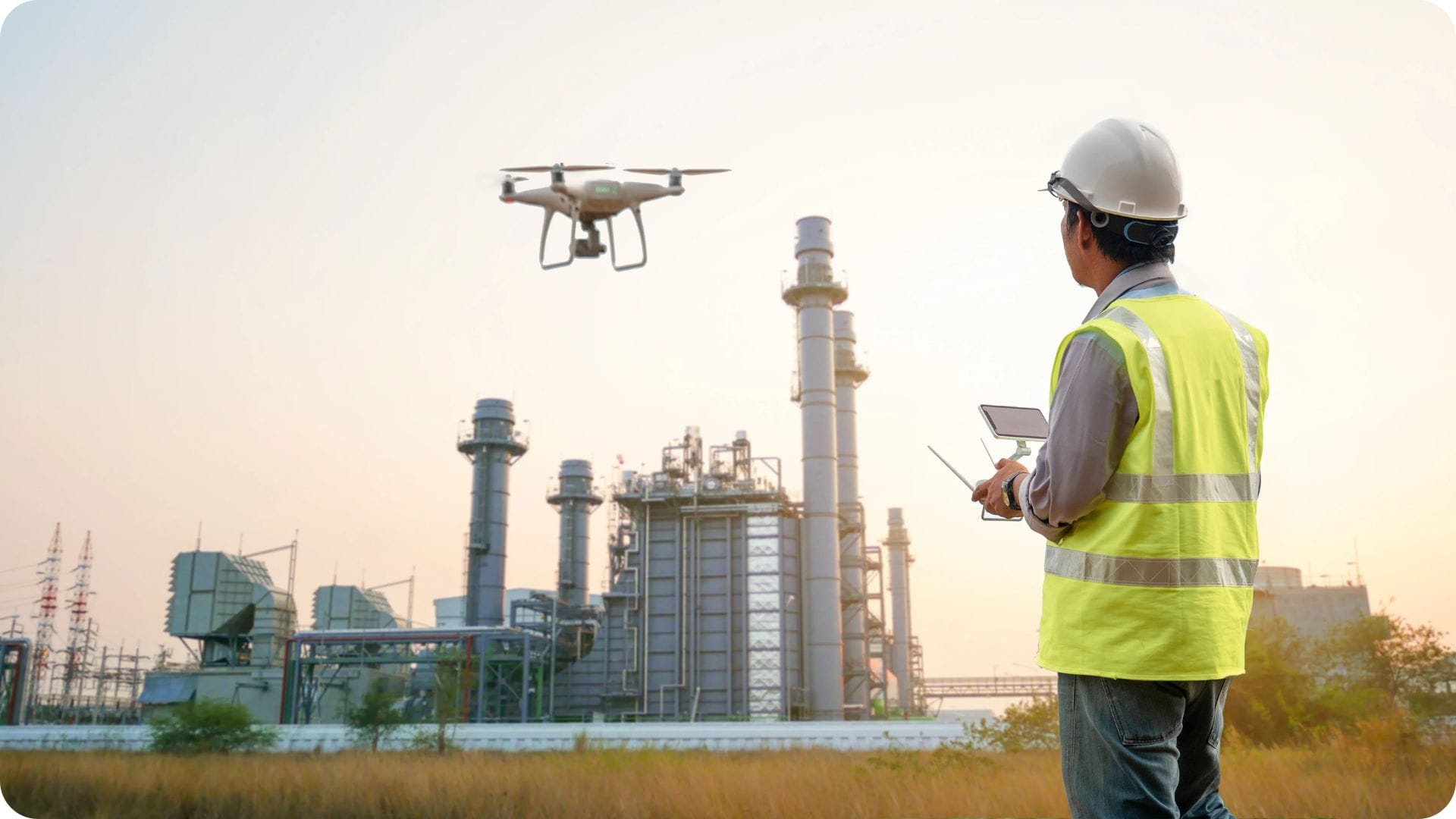
Maintenance and inspection work will soon be handled by AI-powered drones instead of humans.
Capabilities by 2035:
- Bridge and pipeline inspection
- Powerline monitoring
- Skyscraper cleaning
- Offshore platform inspection
- Early detection of mechanical failures
Impact:
- Saves lives in dangerous environments
- Cuts inspection cost by up to 60%
- Enhances reliability of critical infrastructure
- Offers 24/7 automated monitoring
These drones will drastically improve structural safety and maintenance efficiency.
Conclusion
The world is entering a new era of innovation, and mechanical engineering inventions will lead the transformation. By 2035, we will see self-healing machines, Hyperloop travel, quantum sensors, ultra-efficient turbines, autonomous factories, and hydrogen engines becoming part of everyday life.
These inventions will create a smarter, safer, and more sustainable world—powered by mechanical engineers.