
Quick answer: The most affordable new electric car in the US in 2026 is the 2027 Chevrolet Bolt EV, starting around $28,995 to $29,990 depending on timing (destination included), followed closely by the 2026 Nissan Leaf S+ at $29,990. Both dip below the $30,000 mark without any federal tax credit, since the $7,500 federal EV incentive expired on September 30, 2025.
If you’ve been holding off on going electric because EVs felt out of reach, 2026 is actually one of the best years yet to buy. Automakers have flooded the entry-level segment with new models, and prices on several EVs have dropped below what you’d pay for a well-equipped gas-powered compact SUV. Here’s the full breakdown of the 10 cheapest EVs you can buy in the US right now, what you get for the money, and what to know about incentives before you sign anything.
Quick Comparison Table
| Rank | Model | Starting Price (MSRP) | EPA Range | Best For |
| 1 | 2027 Chevrolet Bolt EV | $28,995 to $29,990 | 262 miles | Lowest price, city driving |
| 2 | 2026 Nissan Leaf S+ | $29,990 | 303 miles | Best range per dollar |
| 3 | 2026 Hyundai Kona Electric | $34,470 | 200 miles | Small SUV practicality |
| 4 | 2026 Toyota bZ (XLE) | $34,900 | 236 miles | Toyota reliability reputation |
| 5 | 2026 Chevrolet Equinox EV | $34,995 | 319 miles | Longest range on a budget |
| 6 | 2026 Hyundai IONIQ 5 (SE Standard Range) | $35,000 | 245 miles | Fast charging, tech forward |
| 7 | 2026 Fiat 500e | $35,700 | 141 to 149 miles | Compact city car |
| 8 | 2026 Subaru Uncharted | $36,445 | Not yet EPA-confirmed | AWD-friendly platform |
| 9 | 2026 Toyota C-HR Electric | $37,000 | Up to 290 miles | Standard AWD |
| 10 | 2026 Subaru Solterra | $38,495 | Up to 288 miles | Rugged AWD daily driver |
Prices reflect manufacturer-listed starting MSRP before destination fees (typically $1,400 to $1,600), taxes, title, registration, and dealer add-ons, except where noted. Local dealer discounts and state incentives can change your real out-the-door price.
Top 10 Cheapest Electric Cars 2026
1. 2027 Chevrolet Bolt EV: Cheapest EV You Can Buy
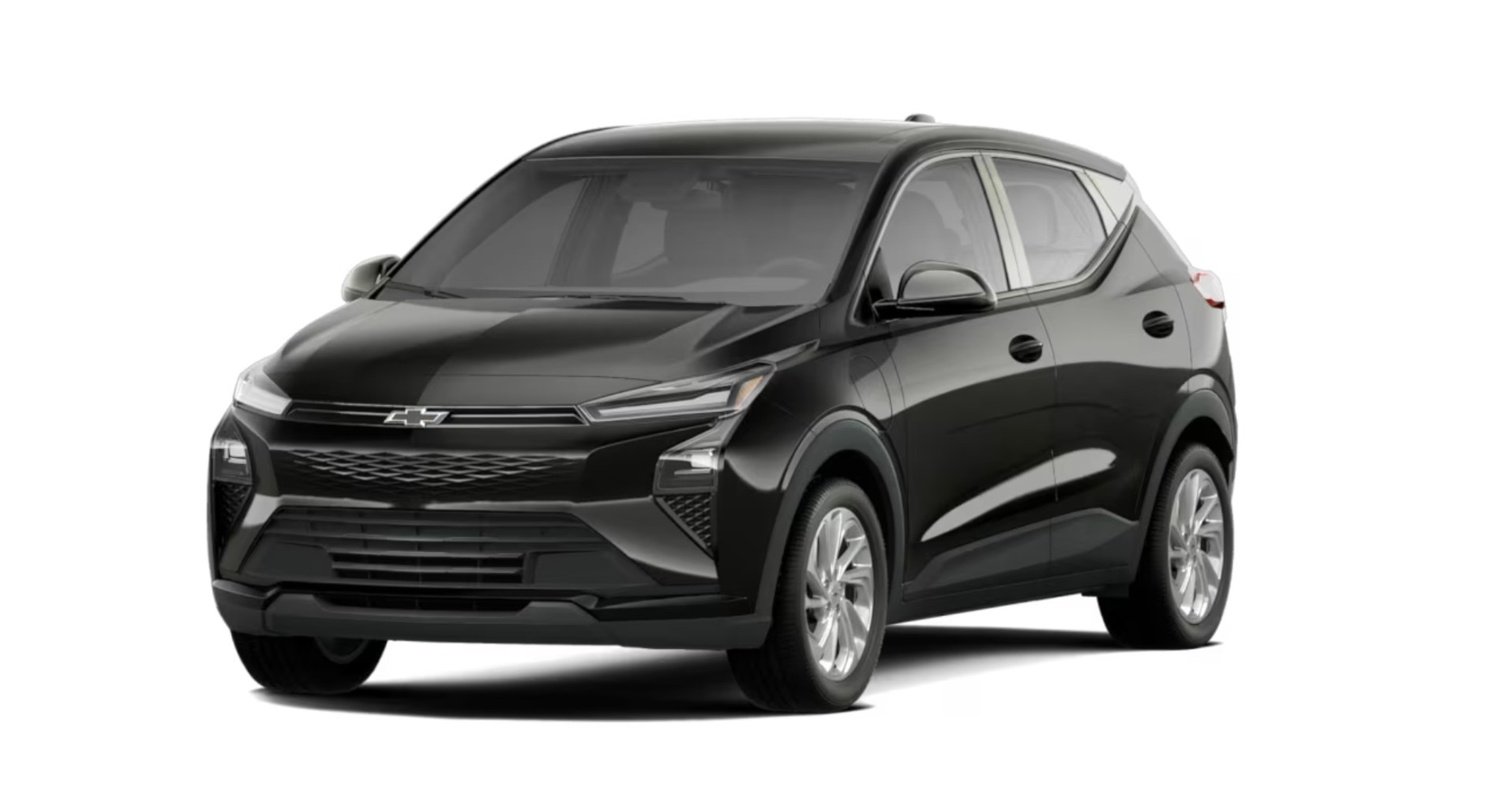
Starting price: $28,995 to $29,990 depending on timing | Range: 262 miles | MPGe: 120 combined
Chevrolet brought the Bolt back from the dead, and it’s once again the price leader in the US EV market. GM’s launch-model LT trim starts at $29,990 (destination included), with a lower-cost $28,995 LT configuration arriving later in the model year, so the exact starting price depends on when you buy. Either way, it undercuts nearly every gas-powered compact SUV on the market. The tradeoff is a shorter range than most rivals on this list: 262 miles is solid for commuting and errands, but road-trippers may want more buffer.
Good for: Budget-conscious first-time EV buyers, city and suburban commuters. Watch out for: This is a limited production run rather than an ongoing model. Reported end dates vary by source, ranging from late 2027 to late 2028, so treat the Bolt as a short-window opportunity rather than a long-term nameplate.
2. 2026 Nissan Leaf S+: Best Range for the Price
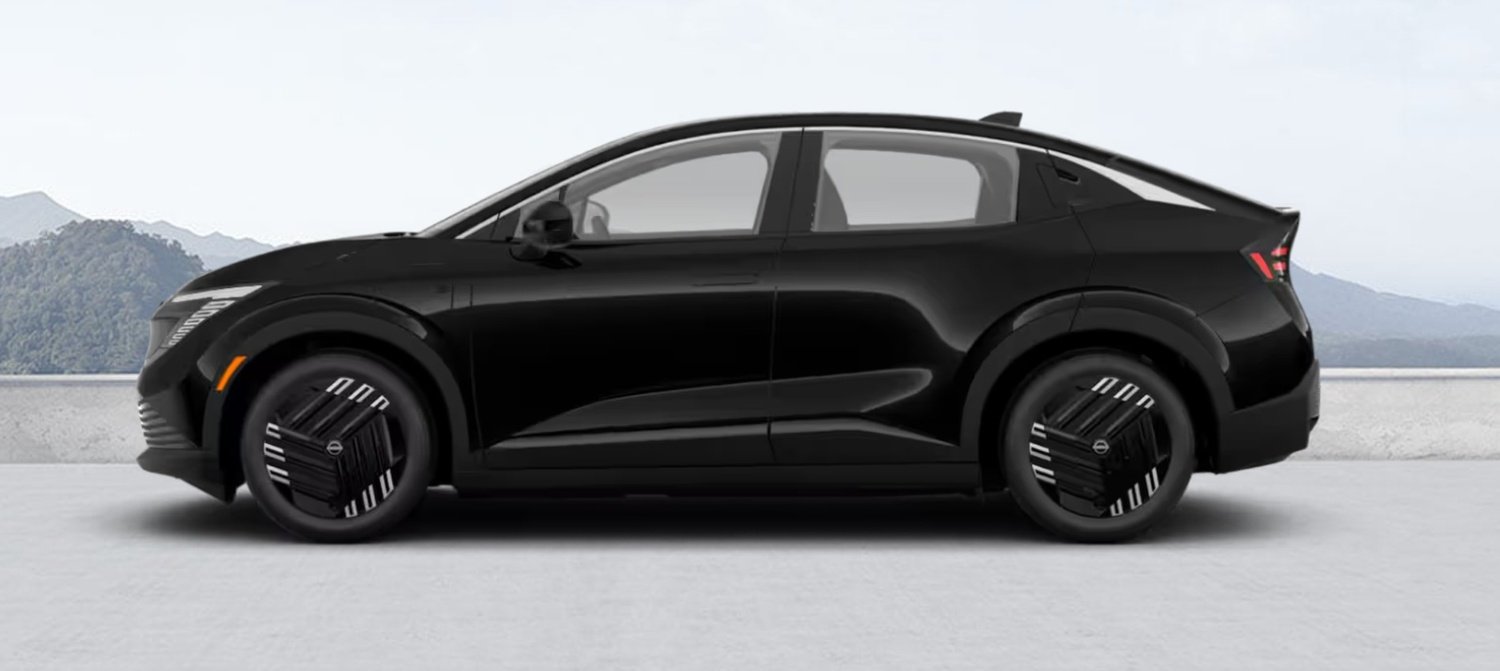
Starting price: $29,990 | Range: 303 miles | Battery: 72 kWh
The redesigned, third-generation Leaf is now a compact SUV rather than a hatchback, and it’s the strongest value on this list when you measure price against range, working out to roughly $99 per mile of EPA range. It comes standard with a Tesla-style NACS charging port, wireless Apple CarPlay and Android Auto, and a 28-inch driver display.
Good for: Buyers who want 300+ miles of range without paying luxury-EV prices. Watch out for: Higher trims (SV+, Platinum+) climb to $34,230 and $38,990, so stick to the base S+ to hit the advertised price.
3. 2026 Hyundai Kona Electric: Practical Small SUV
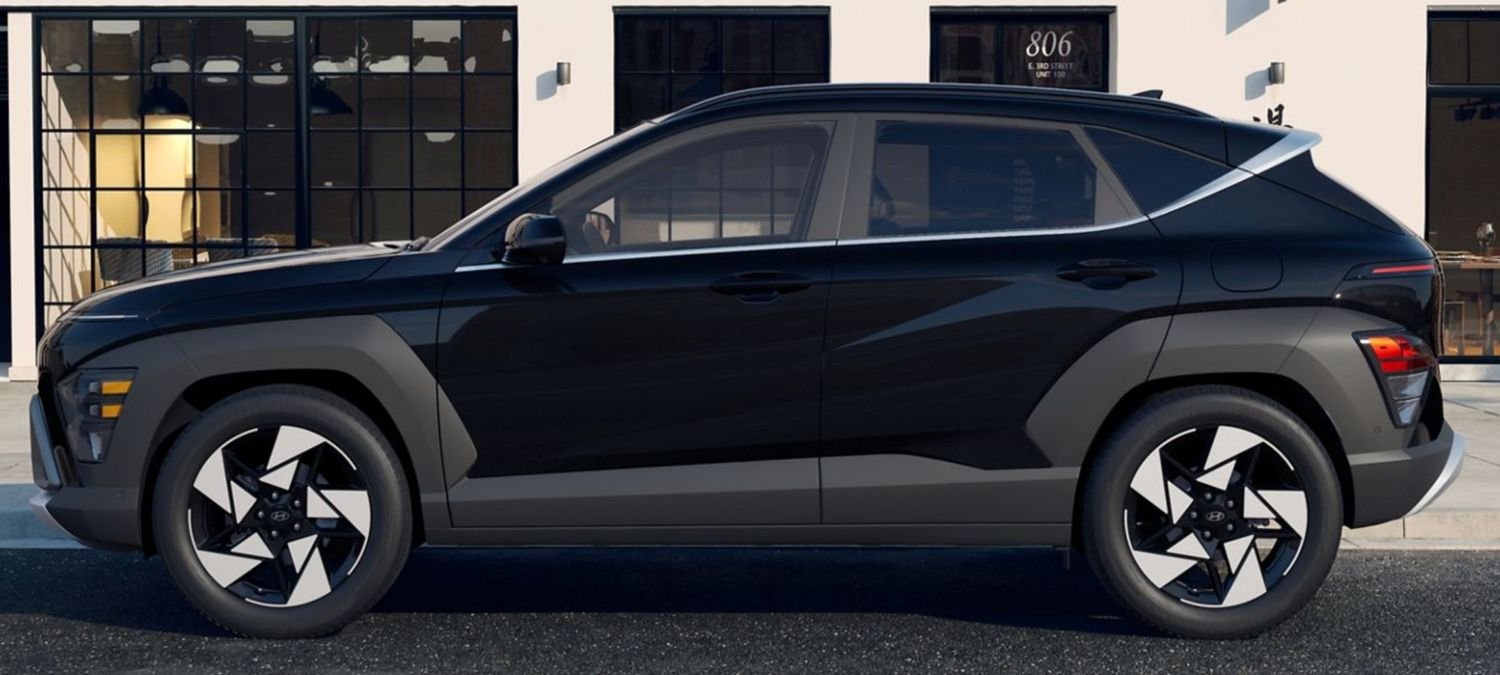
Starting price: $34,470 | Range: 200 miles
Here’s an important update for 2026: Hyundai trimmed the Kona Electric lineup down to a single SE trim with the smaller 48.6-kWh Standard Range battery, dropping the longer-range 261-mile version that was available in prior years. That makes 200 miles the number to plan around this year, not 261. What you still get is Hyundai’s strong 10-year/100,000-mile battery warranty, which matters more now that the federal tax credit is off the table.
Good for: Small families who want SUV cargo space on a budget and don’t need maximum range. Watch out for: At 200 miles, this is one of the shorter-range options on this list for the price; the Nissan Leaf S+ costs less and goes considerably farther.
4. 2026 Toyota bZ: Toyota Reliability Meets EV Range
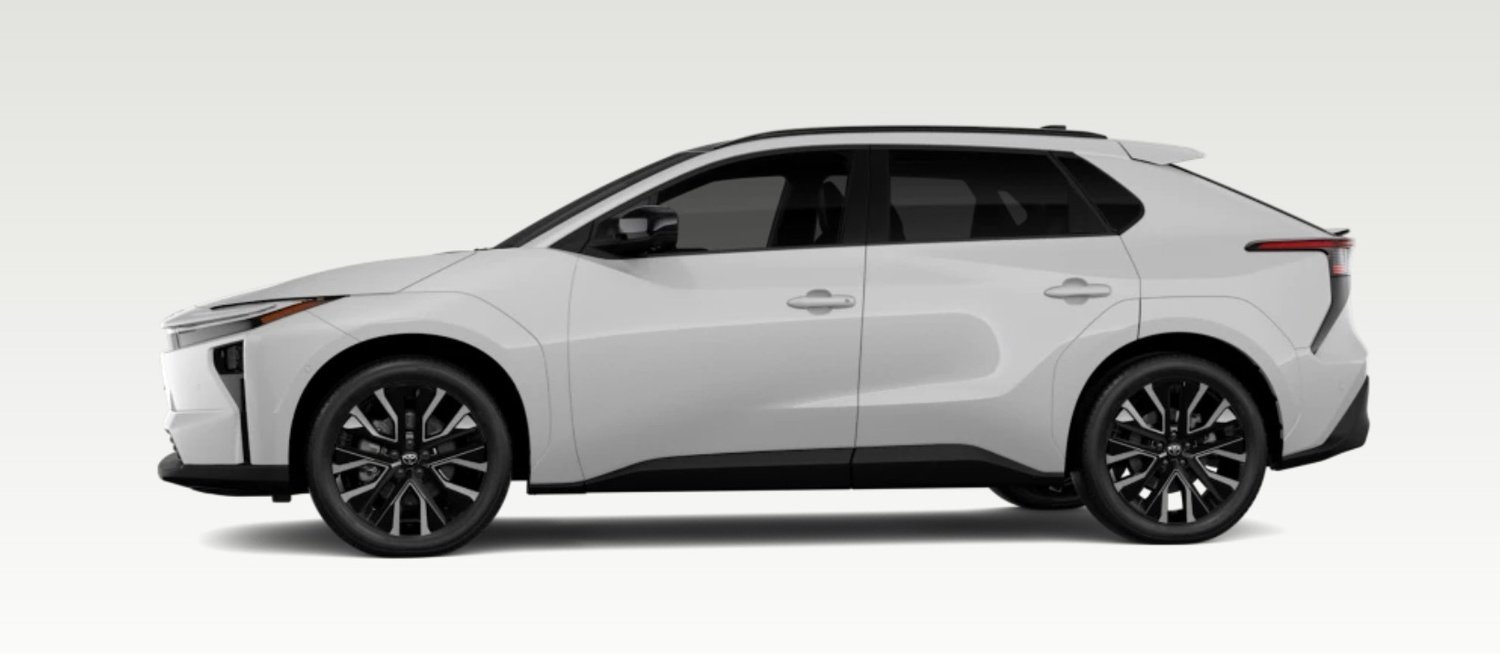
Starting price: $34,900 (base XLE, front-wheel drive) | Range: 236 miles
The base XLE trim uses a smaller 57.7-kWh battery and is Toyota’s true entry point into the affordable EV segment. If range matters more to you than shaving off the last few thousand dollars, the XLE Plus trim jumps to a 74.7-kWh battery and 314 miles of range for $37,900. Either way, you’re getting Toyota’s reliability reputation in an EV package.
Good for: Toyota loyalists who want dependability first. Watch out for: The base XLE’s 236-mile range trails most other entries on this list; budget for the Plus trim if road trips are part of your routine.
5. 2026 Chevrolet Equinox EV: Longest Range Under $35K
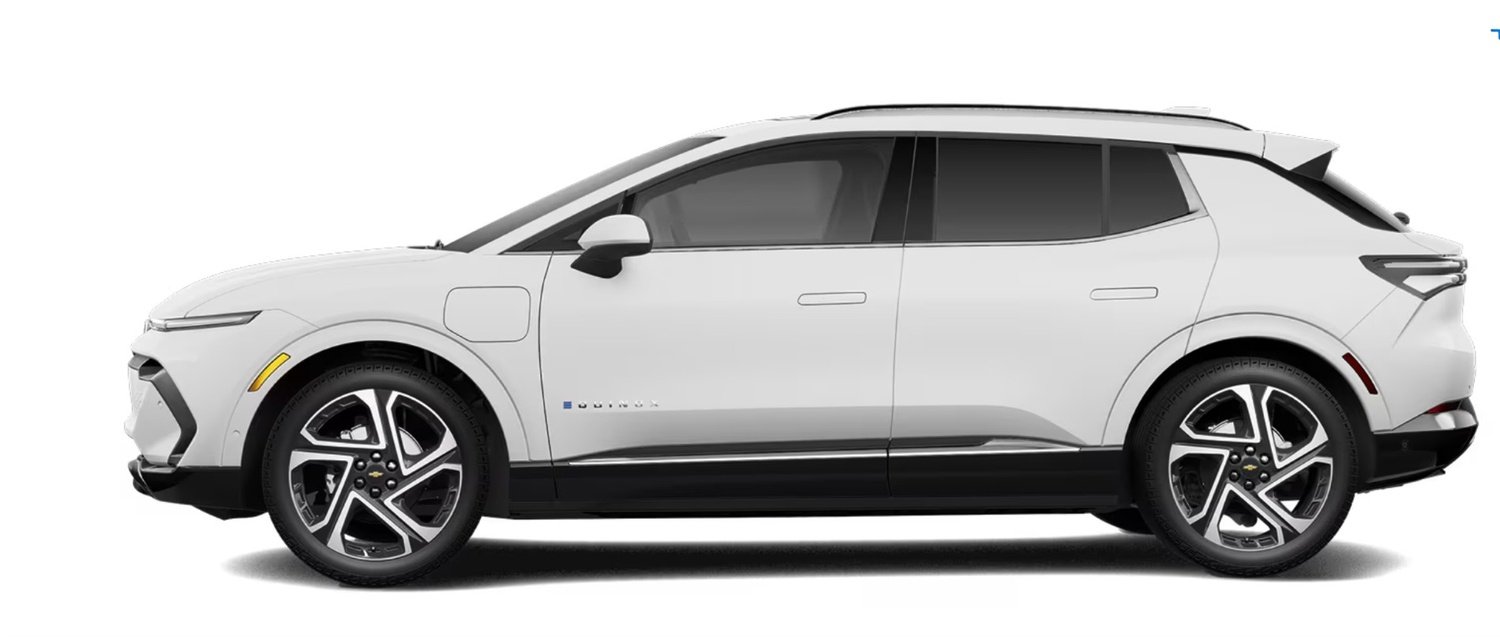
Starting price: $34,995 | Range: 319 miles
The Equinox EV is arguably the best value on this entire list. For right around $35,000, you get 319 miles of EPA-estimated range, more than several EVs costing $10,000 to $15,000 more. It’s not flashy, but it’s a genuinely competent daily driver with real road-trip range. Note that some pricing sources list the Equinox EV closer to $36,795 to $36,995 once its destination charge is folded in, so confirm the out-the-door number with your dealer.
Good for: Families and commuters who want maximum range without a luxury price tag.
6. 2026 Hyundai IONIQ 5: Most Tech for the Money
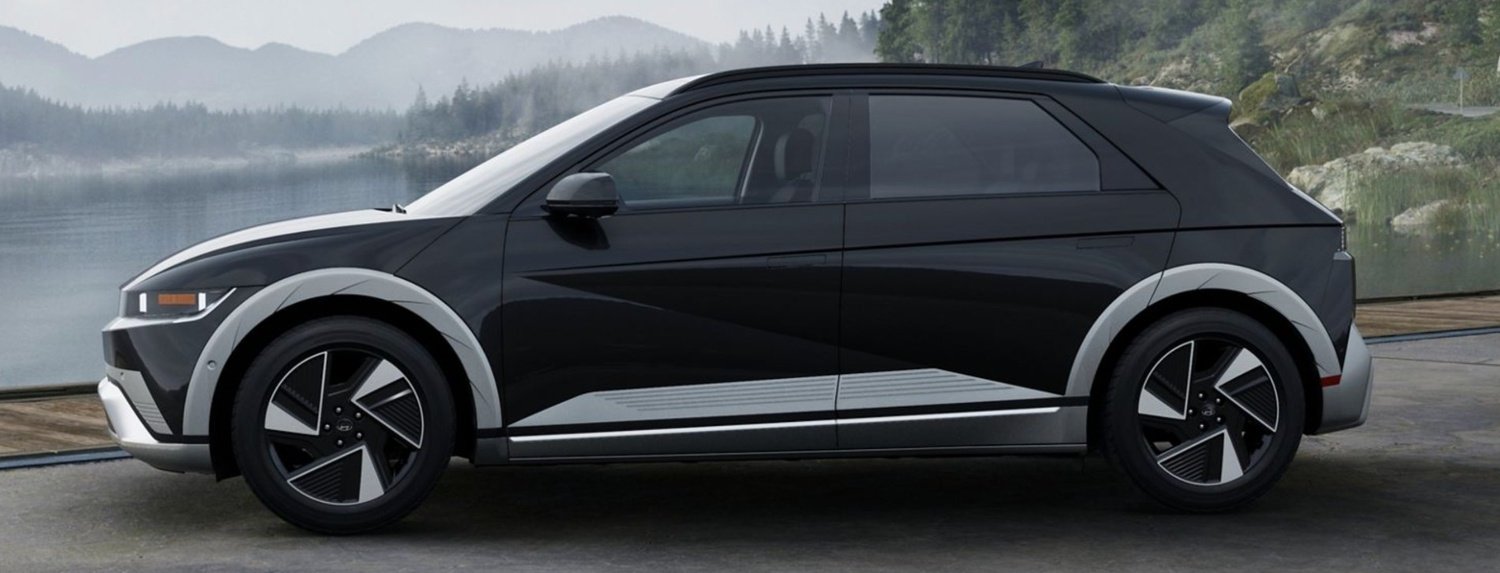
Starting price: $35,000 (SE Standard Range) | Range: 245 to 318 miles depending on battery and trim
The base SE Standard Range trim, with its smaller 63-kWh battery, is what actually anchors IONIQ 5 pricing at $35,000, cheaper than many buyers assume. Step up to the SE, SEL, or Limited trims with the larger 84-kWh battery (roughly $39,000 to $46,000-plus) and range climbs as high as 318 miles, along with distinctive styling and fast 800-volt charging architecture that can take the big battery from 10% to 80% in about 20 minutes.
Good for: Buyers who want the latest EV tech and fast charging without stepping up to the pricier long-range trims. Watch out for: The Standard Range’s 245-mile figure is one of the shorter ranges on this list; you’ll pay roughly $4,000 more to unlock the 318-mile version.
7. 2026 Fiat 500e: Smallest Footprint, Smallest Car
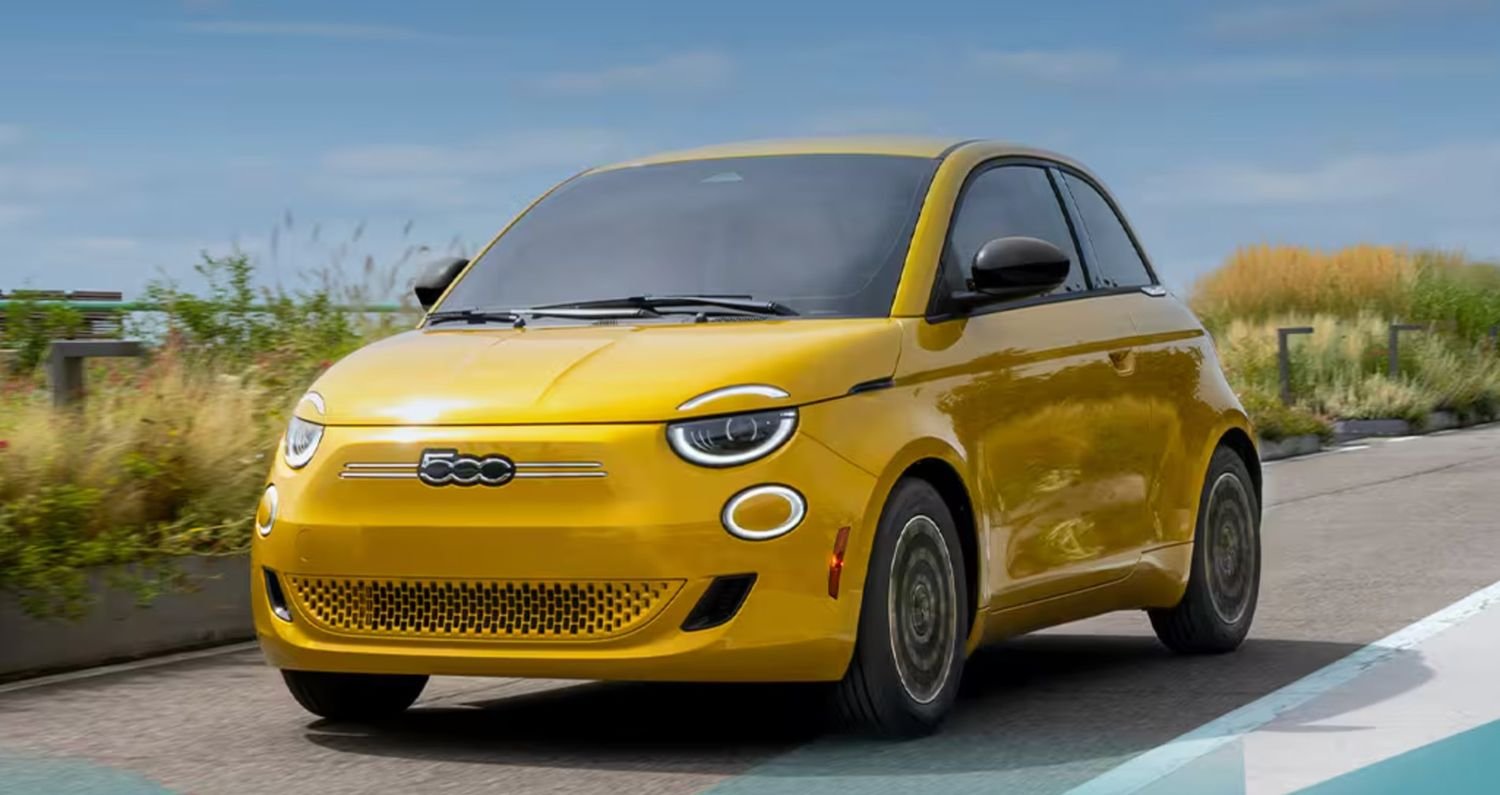
Starting price: $35,700 | Range: 141 to 149 miles
The 500e’s price climbed significantly for 2026, up roughly $5,000 from the prior model year, so it no longer competes as a budget pick the way it once did. It’s built for dense urban driving, not highway road trips. Its retro styling and tiny footprint make it easy to park in cities, but the shorter range and higher price mean it’s best suited to a second car or a short, predictable commute with reliable home charging.
Good for: City dwellers, second-car households who value style over range. Watch out for: At this price, several rivals on this list offer double the range and more interior space.
8. 2026 Subaru Uncharted: Subaru’s First Front-Wheel-Drive EV
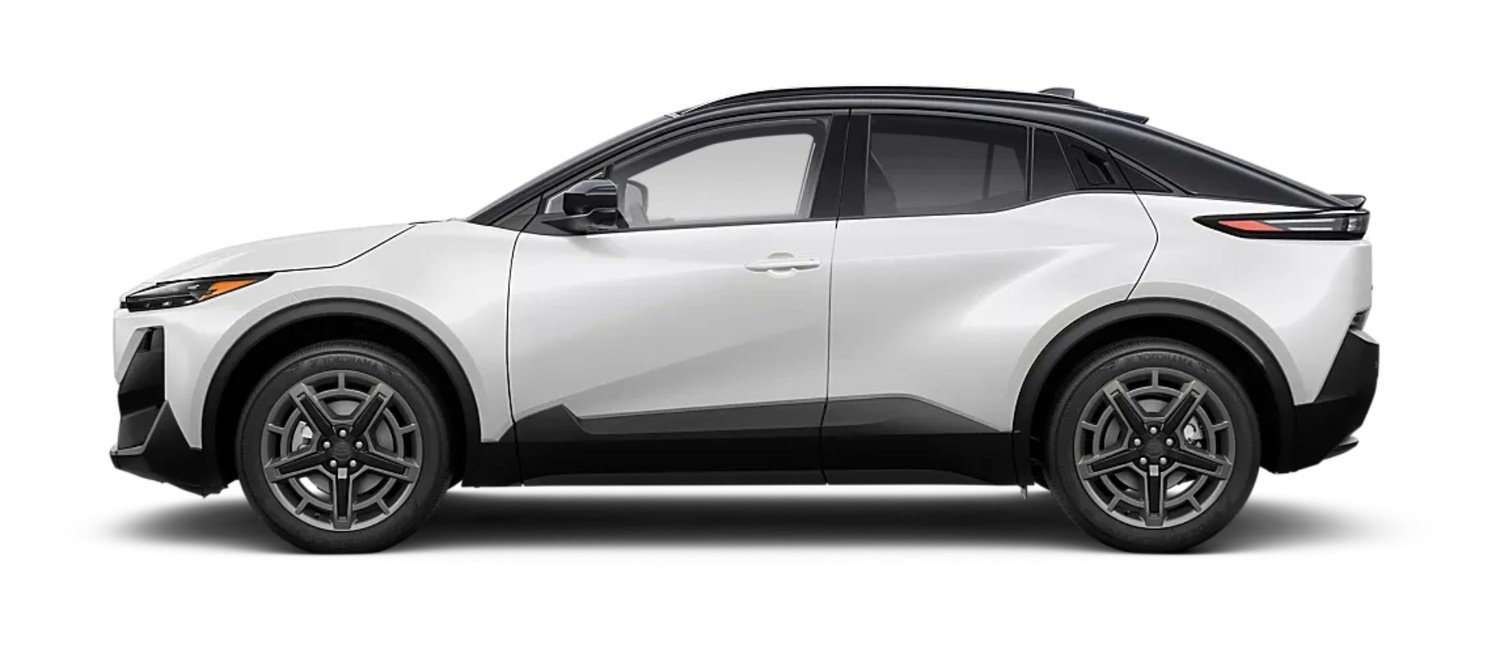
Starting price: $36,445 (base Premium trim) | Range: Not yet EPA-confirmed at time of writing
Sharing its platform and 74.7-kWh battery with the Solterra, the Uncharted is Subaru’s newest and most affordable EV, and notably the first front-wheel-drive Subaru sold in the US in decades. AWD is available on the Sport trim for $41,245. Official EPA range figures were still pending as of this writing, so confirm current numbers before you buy.
Good for: Subaru shoppers who want a lower entry price than the Solterra.
9. 2026 Toyota C-HR Electric: Standard AWD at a Competitive Price
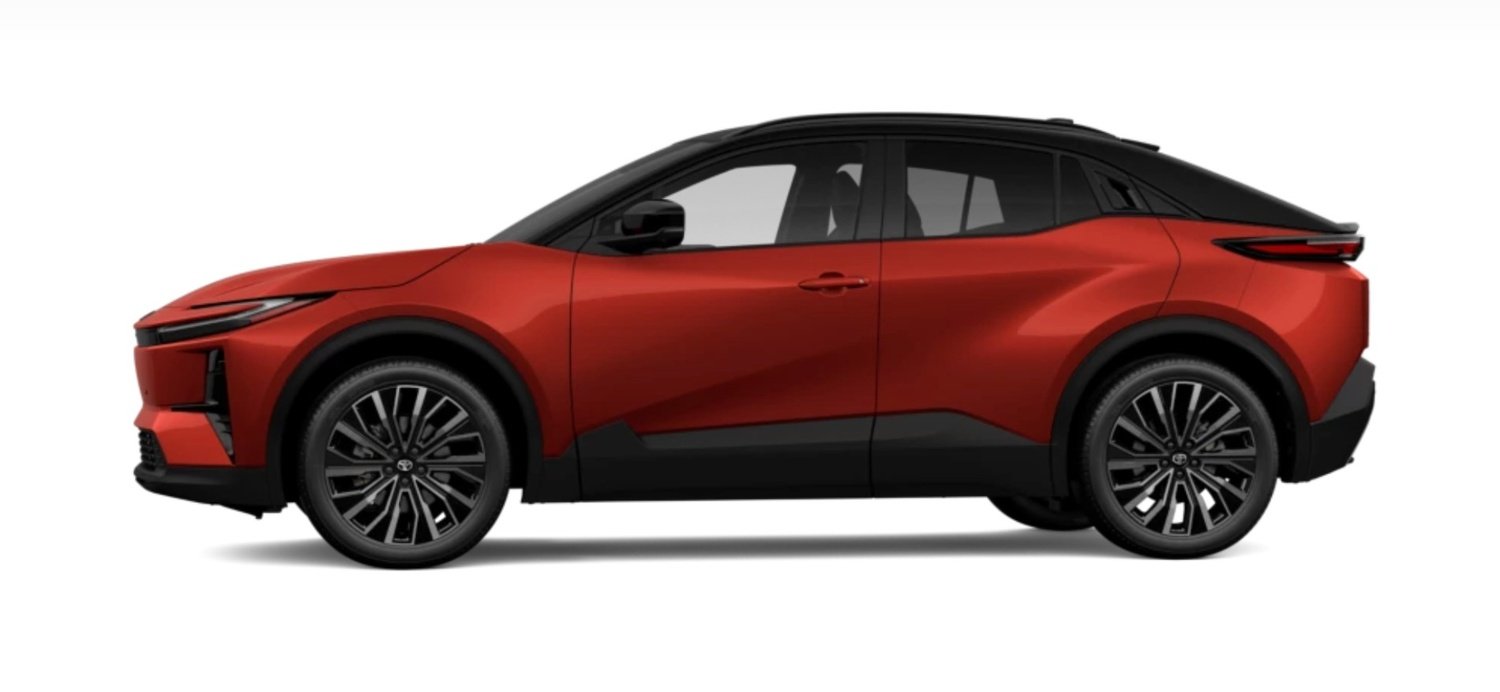
Starting price: $37,000 MSRP ($38,450 with destination) | Range: Up to 290 miles (SE trim)
Toyota revived the C-HR name for this all-electric SUV, which comes standard with dual-motor all-wheel drive and 338 combined horsepower across both trims (SE and XSE). It’s pricier than early expectations suggested, landing above the bZ rather than below it, but the standard AWD and strong performance help justify the gap. Watch for manufacturer cash incentives, which have brought effective prices down by several thousand dollars in some regions.
Good for: Buyers who want standard AWD and stronger performance without stepping up to a luxury EV.
10. 2026 Subaru Solterra: Built for Rugged, Everyday Use
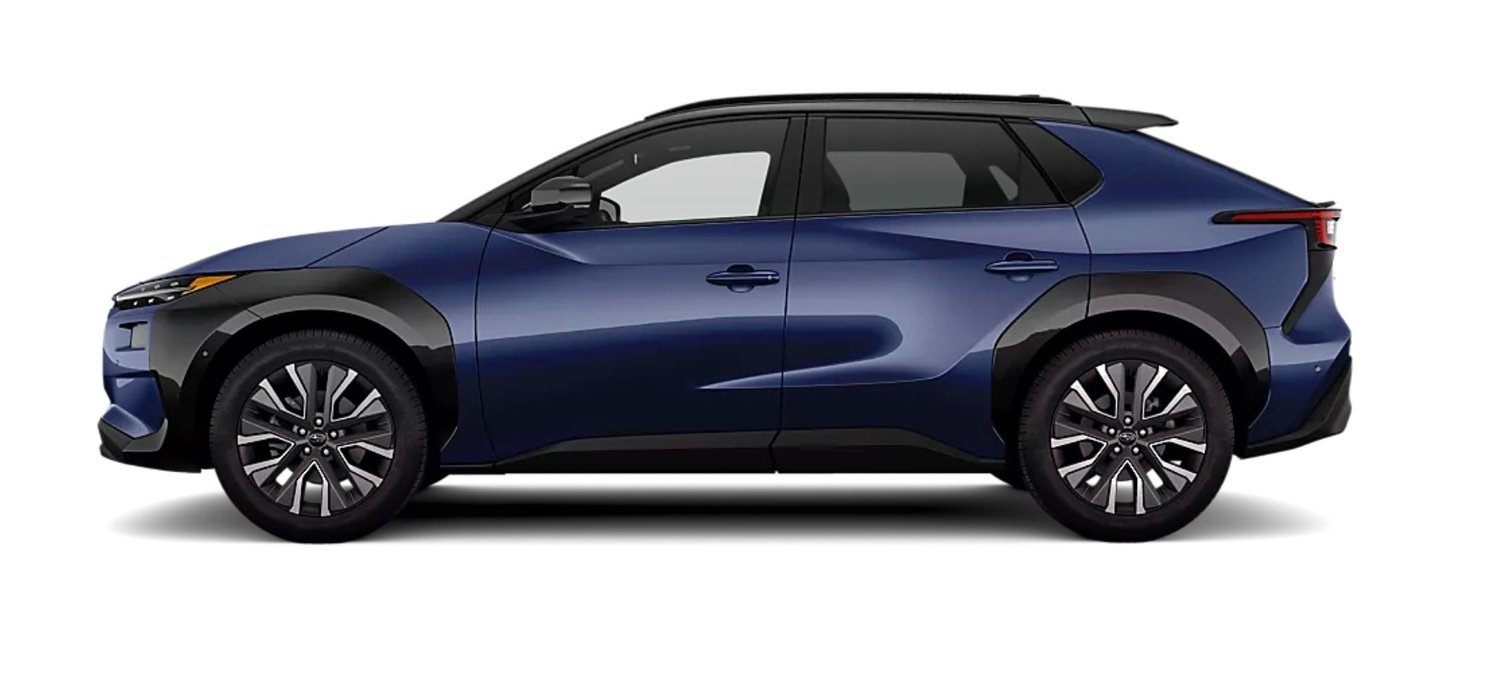
Starting price: $38,495 | Range: Up to 288 miles
The redesigned Solterra holds its price steady from the prior model year while adding a larger 74.7-kWh battery, up to 288 miles of range, and faster 150-kW DC fast charging that cuts a 10-to-80% charge to about 28 to 30 minutes. Standard all-wheel drive and Subaru’s EyeSight driver-assist suite come on every trim.
Good for: Drivers in snowy or rural areas who want standard AWD and off-road-oriented ground clearance.
What Happened to the Federal EV Tax Credit in 2026?
This is the single biggest change affecting EV affordability this year, so it’s worth being direct about it: the federal EV tax credit no longer exists for 2026 purchases.
Under the One Big Beautiful Bill Act, both the $7,500 new-EV credit (Section 30D) and the $4,000 used-EV credit (Section 25E) were <cite index=”17-1″>eliminated effective October 1, 2025, more than seven years ahead of their originally scheduled 2032 expiration</cite>. There’s one narrow exception: buyers who <cite index=”17-1″>signed a binding written contract and made a qualifying payment on or before September 30, 2025</cite> may still be able to claim the credit on their 2025 tax return, even if the vehicle was delivered later. For everyone shopping new in 2026, that door is closed.
What’s still available:
- State and local incentives: many states, cities, and utility companies still offer their own EV rebates, tax credits, or reduced registration fees, independent of the federal credit.
- Home charger tax credit: the federal credit for home EV charging equipment (Section 30C) remained available for equipment installed and ready to use before <cite index=”15-1″>June 30, 2026</cite>.
- Lower running costs: even without the purchase credit, home charging remains far cheaper than gasoline per mile in most of the country, which narrows the total cost of ownership gap over time.
Because incentives vary heavily by state and even by utility provider, it’s worth checking your state energy office or utility company’s website before you buy. The savings can still be meaningful even without the federal credit.
Frequently Asked Questions
The 2027 Chevrolet Bolt EV is the cheapest new EV on sale, with a starting price around $28,995 to $29,990 depending on trim timing, according to manufacturer pricing.
No. The federal new-EV tax credit expired for vehicles acquired after September 30, 2025. The only exception applies to buyers who signed a binding purchase contract and made a payment before that deadline.
Among EVs starting under $35,000, the 2026 Chevrolet Equinox EV offers the longest EPA-estimated range at 319 miles.
Reliability varies by manufacturer and model year, similar to gas vehicles. Brands like Toyota and Hyundai carry strong reliability reputations, and most EVs come with battery warranties of 8 years/100,000 miles, which covers the most expensive component.
For many shoppers, yes. Used EV prices have dropped significantly and often beat even the cheapest new EV on sticker price, though buyers should factor in that the federal used-EV credit also expired on September 30, 2025.
Many do, but eligibility depends on your state, your income, and sometimes the vehicle’s price or where it was assembled. Check your state’s energy office or your local utility provider for current programs, since federal incentives are no longer part of the equation.