
Springs are everywhere. They’re inside your ballpoint pen, under your car, and even in your mattress. Yet most people have never stopped to think about the different types of springs and why each one exists.
If you’ve ever wondered what makes a garage door open smoothly or why a trampoline bounces you back up, the answer almost always involves a specific spring type doing a very specific job.
In this guide, you’ll learn about the 7 most common types of springs, how each one works, where it’s used in real life, and what makes it different from the others. No engineering degree required.
What Are Springs?

A spring is a mechanical device that stores and releases energy when it is compressed, stretched, or twisted. Springs are made from elastic materials – usually steel or stainless steel – and return to their original shape after a force is removed.
According to Hooke’s Law, the force a spring exerts is directly proportional to how much it is compressed or stretched. This principle, discovered in the 17th century, is still the foundation for understanding how all spring types work today.
Springs play a role in almost every industry – automotive, aerospace, consumer electronics, healthcare, and manufacturing.
7 Main Types of Springs
1. Compression Springs
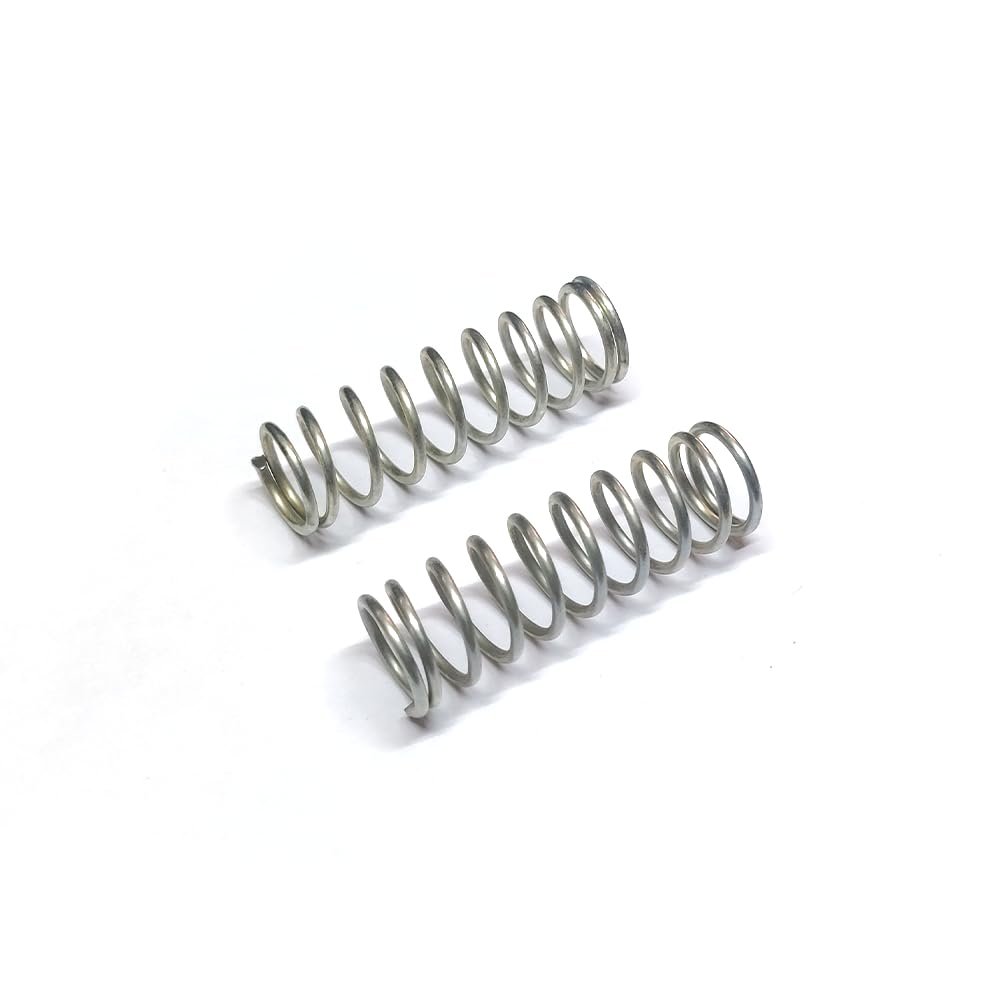
Compression springs are the most common spring type you’ll encounter. They are open-coil helical springs that resist a compressive or pushing force. When you push the ends together, the spring pushes back.
How it works: When force is applied to both ends, the coils compress together. Remove the force, and the spring returns to its full length.
Common uses:
- Ballpoint pens
- Mattresses and furniture
- Car suspension systems
- Medical devices
- Push-button switches
Expert insight: Compression springs are preferred when a product needs to absorb shock or maintain consistent spacing between parts. Their design can be cylindrical, conical, or barrel-shaped depending on the application.
2. Extension Springs (Tension Springs)
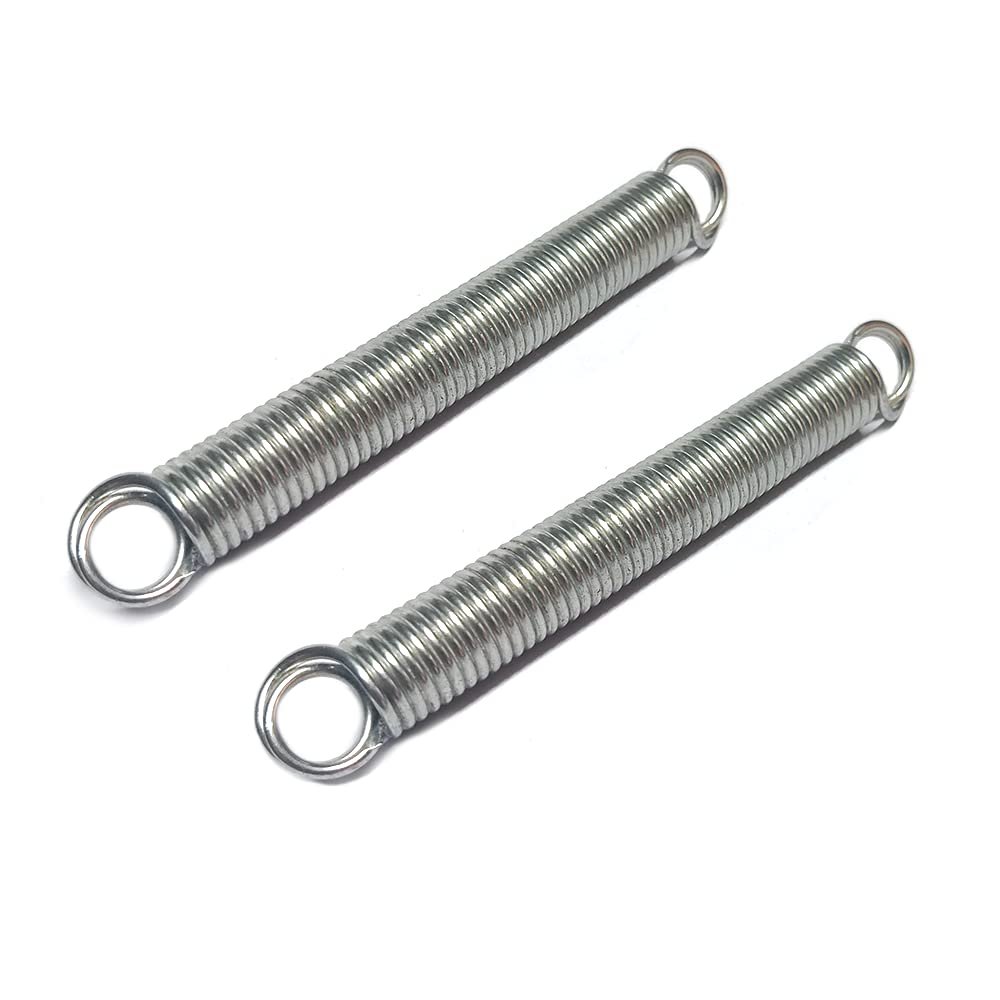
Extension springs – also called tension springs – do the opposite of compression springs. They are tightly wound coils designed to resist a pulling or stretching force. When you pull the ends apart, the spring pulls back.
These springs often have hooks or loops at each end to attach to components.
Common uses:
- Garage doors
- Trampolines
- Farm machinery
- Retractable cables
- Vise-grip pliers
Expert insight: The initial tension in extension springs means they have a built-in resistance before they begin to stretch – this keeps parts pulled together even under vibration.
3. Torsion Springs
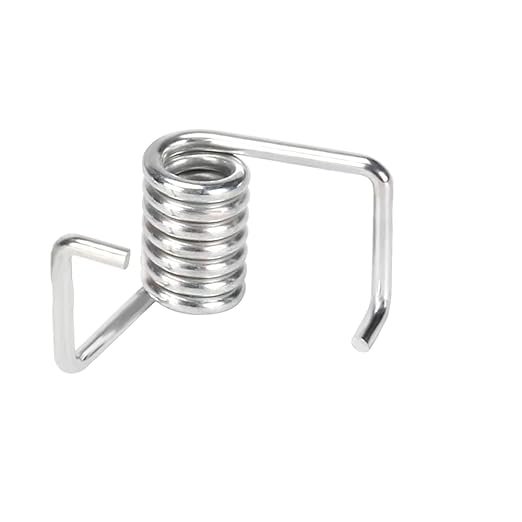
Torsion springs work on a twisting motion rather than a push or pull. When the spring is twisted along its axis, it stores energy and tries to rotate back to its original position.
Common uses:
- Clothespins and paper clips
- Mousetraps
- Door hinges
- Vehicle tailgates
- Window blinds
Expert insight: Torsion springs are often wound around a shaft or rod. They’re ideal in any product where parts need to rotate or return to a set position reliably.
Also Read:
- Types of Gauges in Metrology – Complete Explanation
- Types of Screws: The Complete Guide with Pictures
- Types of Screwdrivers and Their Uses (Complete Guide)
4. Constant Force Springs
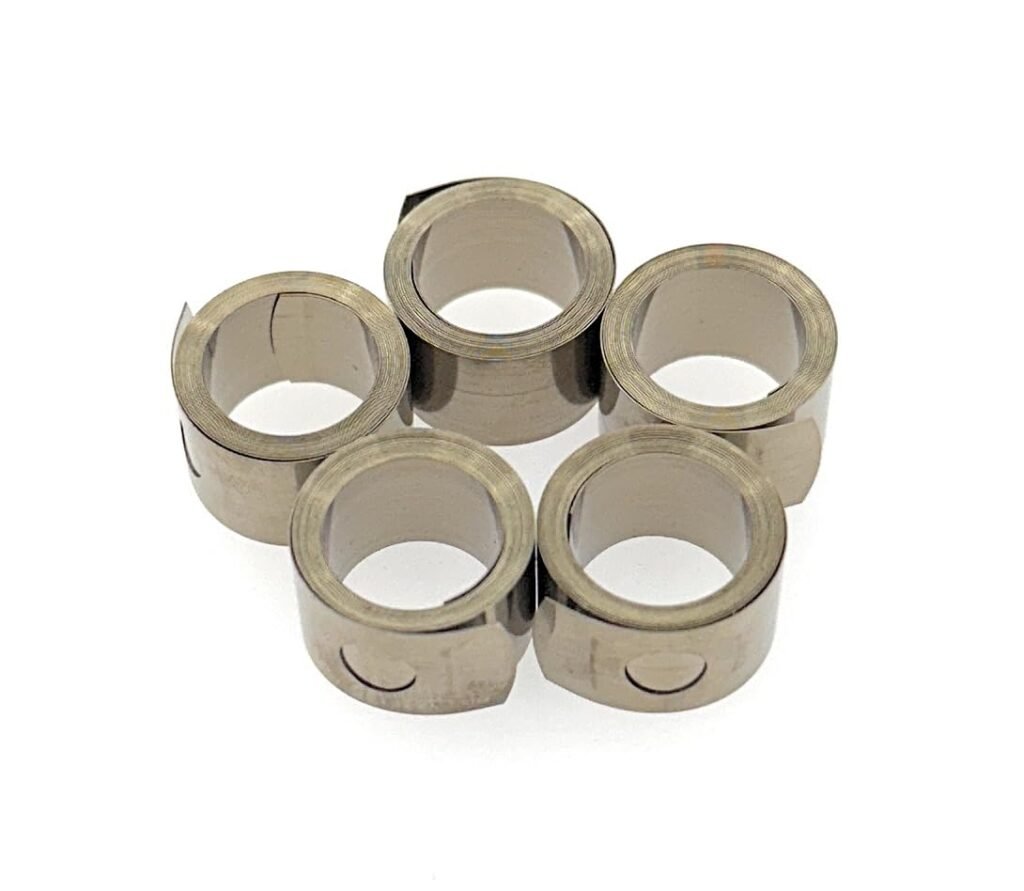
Constant force springs are flat strips of pre-stressed steel coiled into a roll. Unlike other spring types, they exert an almost constant force throughout their range of motion – which makes them ideal for applications needing smooth, consistent pull.
Common uses:
- Tape measures
- Seat belt retractors
- Medical IV pumps
- Cable management systems
- Counterbalancing mechanisms
Expert insight: The unique flat-strip design means these springs can extend much further than coiled springs of similar size – useful in compact electronic devices.
5. Leaf Springs
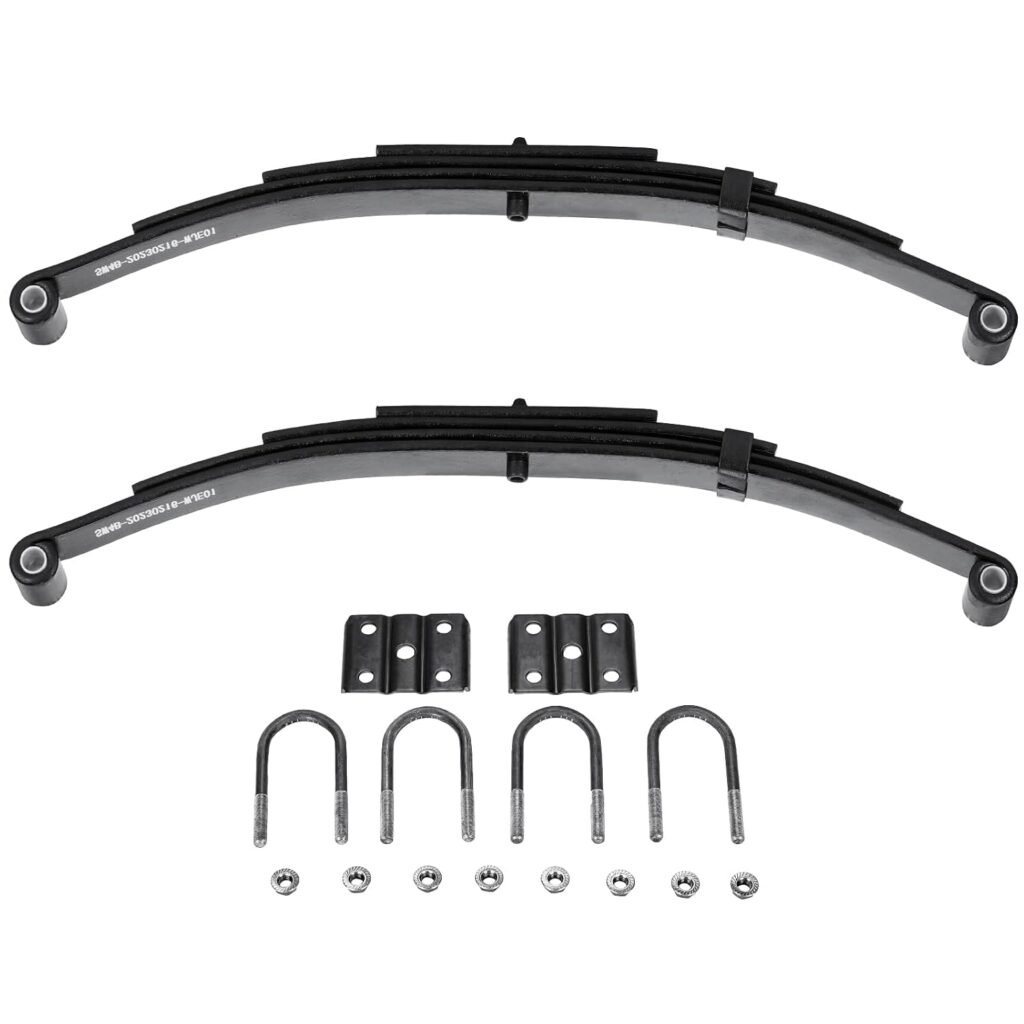
Leaf springs are flat, curved strips of metal – often stacked in layers – that flex to absorb load. They’ve been used in vehicles for over a century and remain common in heavy-duty applications.
Common uses:
- Truck and trailer suspensions
- Train carriages
- Archery bows
- Industrial machinery
- Agricultural vehicles
Expert insight: Stacking multiple leaf layers (called a leaf spring pack) distributes stress across more material, allowing the spring to handle heavy loads without breaking.
6. Disc Springs (Belleville Springs)
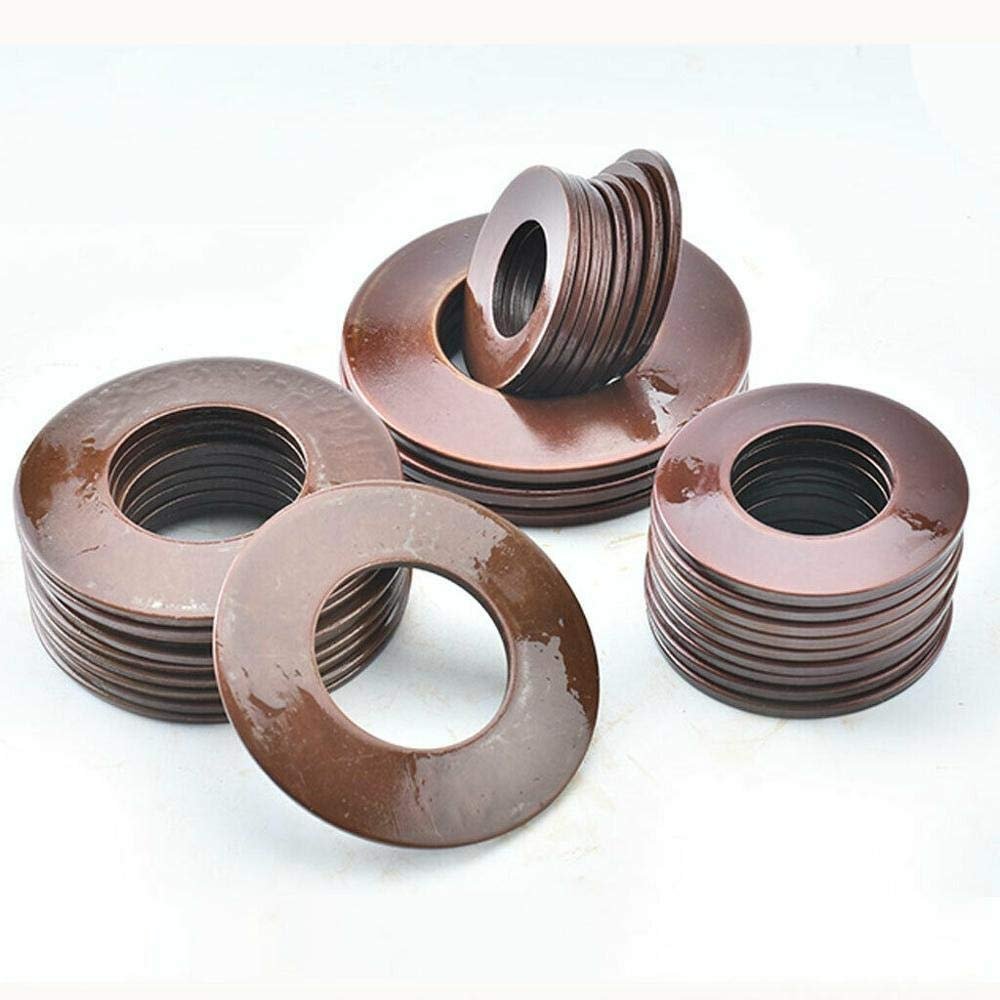
Disc springs, also called Belleville washers, are cone-shaped metal discs that compress under axial load. They can handle very high loads in very small spaces – making them valuable in precision engineering.
Common uses:
- Bolted joints and flanges
- Pressure relief valves
- Electrical connectors
- Clutch assemblies
- Aerospace components
Expert insight: Disc springs can be stacked in series (to increase deflection) or in parallel (to increase load capacity), giving engineers precise control over spring behavior.
7. Spiral Springs (Clock Springs)
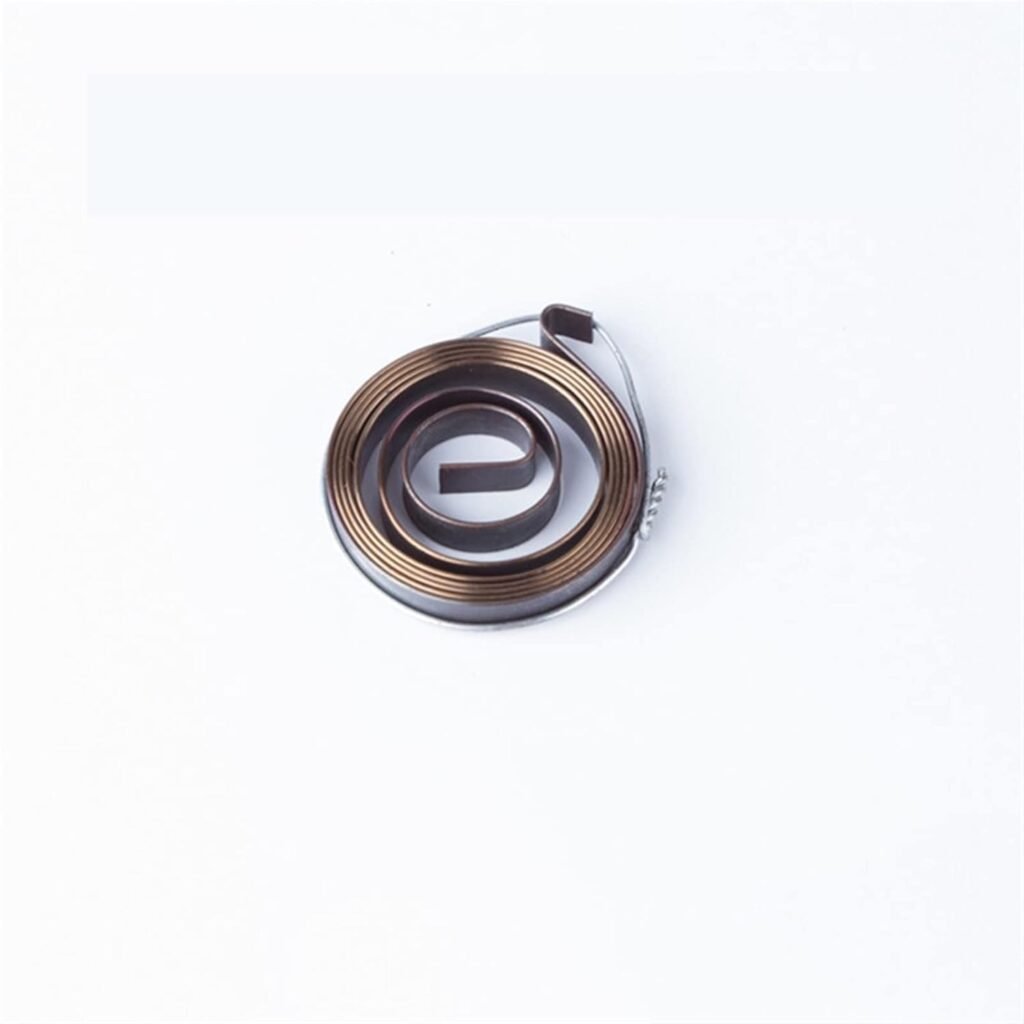
Spiral springs – sometimes called clock springs or power springs – are flat strips of steel wound into a flat spiral. They store energy when wound up and release it steadily as they unwind.
Common uses:
- Mechanical clocks and watches
- Toys and music boxes
- Retractable reels
- Wind-up mechanisms
- Camera shutters
Expert insight: Spiral springs are one of the oldest mechanical energy storage devices. Modern versions power everything from children’s toys to precision instruments.
Spring Types Comparison Table
| Spring Type | Common Use | Load Direction | Material |
| Compression | Ballpoint pens, mattresses | Axial (push) | Steel, stainless |
| Extension | Garage doors, trampolines | Axial (pull) | Steel, chrome |
| Torsion | Clothespins, mousetraps | Rotational | Steel, carbon |
| Constant Force | Tape measures, retractors | Linear pull | Flat steel strip |
| Leaf | Car suspensions, archery bows | Bending | Carbon steel |
| Disc (Belleville) | Bolted joints, valves | Axial (push) | Carbon steel |
| Spiral | Clocks, toys | Rotational | Steel strip |
How to Choose the Right Spring Type
Choosing the correct spring type comes down to four key questions:
- What direction is the force? (push, pull, or twist)
- How much space is available?
- What load or weight must the spring handle?
- How far must the spring travel (deflection range)?
Compression springs are the go-to for most pushing applications. Extension springs are best when you need parts pulled together. Torsion springs handle rotation. For heavy loads in tight spaces, disc springs win. For steady, continuous pull, constant force springs are ideal.
When in doubt, consult a spring manufacturer or mechanical engineer – the right spring type can mean the difference between a product that lasts years and one that fails in weeks.
Conclusion
Understanding the different types of springs is more useful than you might think. Whether you’re a hobbyist fixing something at home, a student learning about mechanics, or someone shopping for replacement parts, knowing your spring types helps you make smarter decisions.
To recap: compression springs push back, extension springs pull back, torsion springs twist back, and specialized types like leaf, disc, constant force, and spiral springs each solve specific engineering problems.
Next time you click a pen, ride in a car, or use a tape measure, you’ll know exactly which spring type is doing the work behind the scenes.
Ready to learn more? Explore our related guides on mechanical components, automotive parts, and industrial hardware to deepen your understanding of how everyday machines work.
Frequently Asked Questions (FAQ)
The 7 main types of springs are: compression springs, extension (tension) springs, torsion springs, constant force springs, leaf springs, disc (Belleville) springs, and spiral springs. Each type handles a different kind of force – push, pull, twist, or bending – and is chosen based on the specific need of the application.
Compression springs are the most commonly used spring type in the world. You’ll find them inside ballpoint pens, mattresses, car suspension systems, medical devices, and push-button switches. Their simple coiled design makes them cost-effective and versatile across industries.
A compression spring resists being pushed together – it pushes back when compressed. An extension spring resists being pulled apart – it pulls back when stretched. Compression springs are typically open-coil, while extension springs are tightly wound with hooks or loops at each end.
Torsion springs are used wherever a twisting or rotating force is needed. Common examples include clothespins, mousetraps, door hinges, window blinds, and vehicle tailgates. They store energy when twisted and release it to return parts to their original position.
Cars typically use compression coil springs in their suspension systems. Trucks and heavy vehicles often use leaf springs instead, as leaf springs can handle significantly heavier loads. Some performance vehicles use coilover systems that combine a coil spring with a shock absorber for better handling.
Most springs are made from high-carbon steel or stainless steel because these materials are strong, durable, and elastic. However, springs can also be made from titanium (for aerospace and medical uses), phosphor bronze (for electrical conductivity), or plastic/rubber (for lightweight low-load applications).
Yes. Using the wrong spring type can cause equipment failure, excessive wear, or unsafe operation. For example, using a compression spring where an extension spring is needed can result in parts separating unexpectedly. Always match the spring type to the specific direction and magnitude of force in your application.